
Why comparative clarity matters now
Drug development is costly and slow: projects commonly extend beyond a decade and face high attrition rates, with roughly nine out of ten candidates failing during clinical testing. Against that backdrop, robust preclinical systems determine whether a programme stalls or advances. Reliable autoimmune disease models reduce uncertainty at the earliest stages by revealing relevant pathogenesis signals, improving biomarker selection and clarifying likely translational gaps. In Cambridge, UK and similar clusters, teams that adopt consistent model benchmarks routinely shorten timelines and sharpen decision-making.
What defines a dependable immunological model
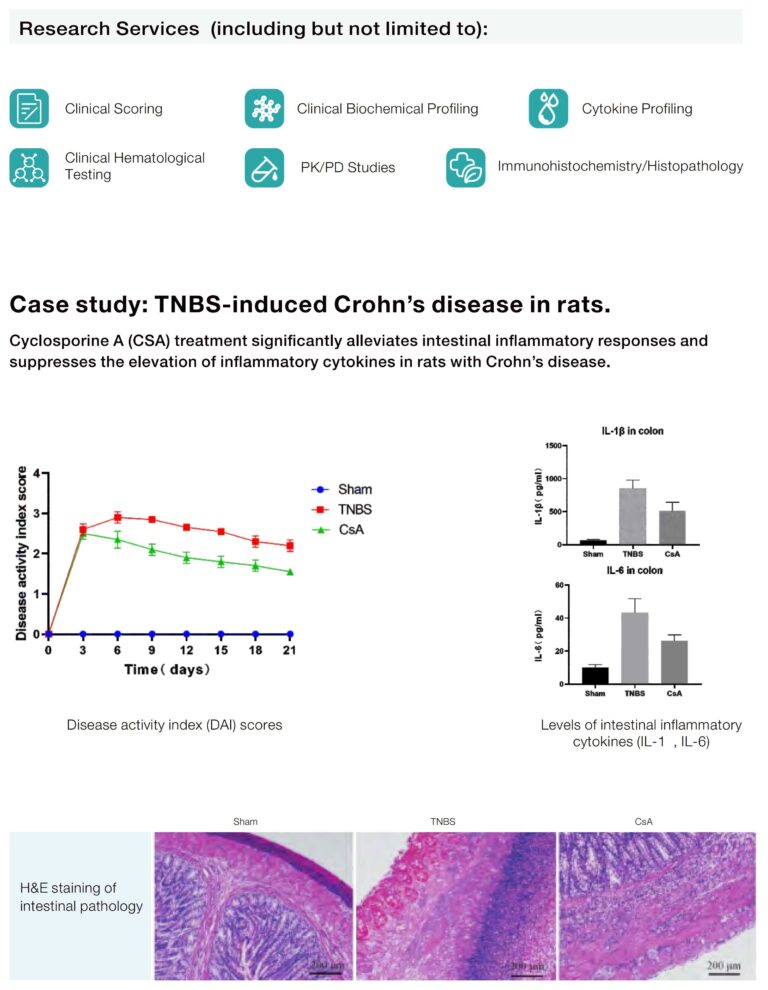
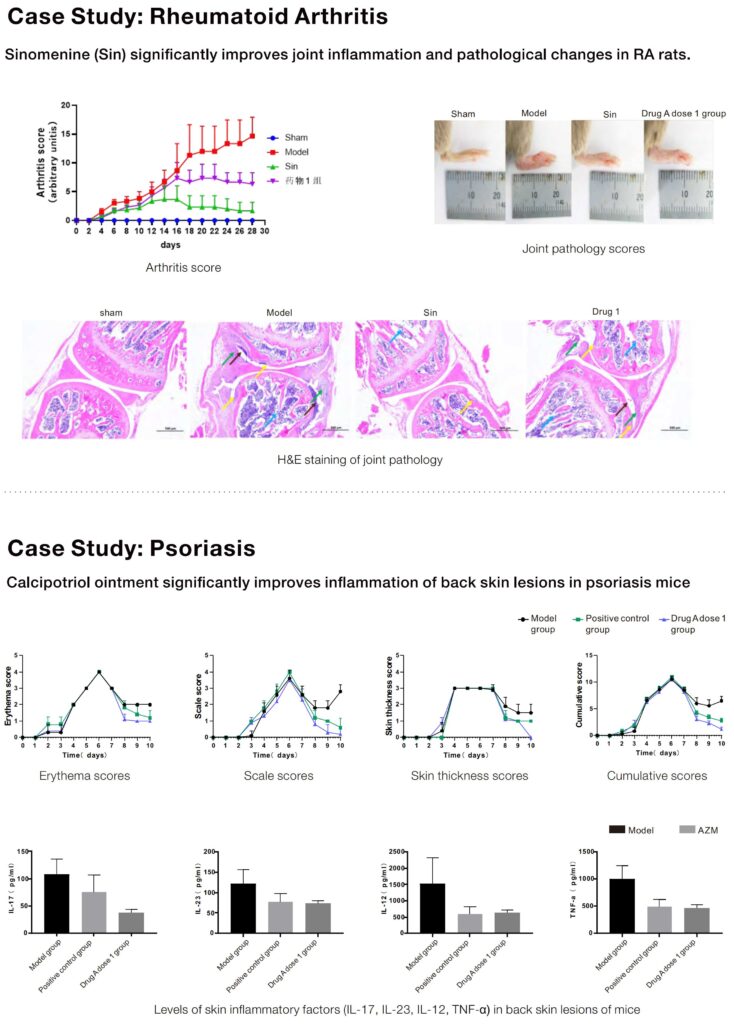
Not all models are equal. Dependability rests on three concrete attributes: reproducible phenotype, mechanistic relevance to human disease, and measurable endpoints that predict clinical success. Reproducible phenotype allows comparative cohorts to be run with predictable variance. Mechanistic relevance requires that the model reproduces the key immune circuits—T cell behaviour, cytokine profiles and antigen-driven damage—so that interventions affect the same nodes they would in patients. Predictive endpoints include validated readouts such as cytokine profiling, histological scoring and demonstrable in vivo efficacy for the mechanism under test. Models built on simple endpoints alone produce ambiguity and extend timelines through repeated iterations.
Comparative insight: reliable versus expedient models
When teams choose expedient systems—over-simplified cell-line assays or poorly characterised rodent models—initial results can look promising yet fail to predict human outcomes. Conversely, well characterised systems, including knockout mice or adoptive transfer models that replicate autoantigen exposure, frequently reveal off-target effects and dose dependencies earlier. The comparative benefit is tangible: early detection of mechanistic mismatch saves months of optimisation and often avoids expensive clinical failures. Where possible, layering in biomarker tracking tied to human disease cohorts further narrows the translation gap.
Selecting models and common mistakes to avoid
Choice of model should follow from the drug’s mechanism of action, not the other way around. Common errors include over-reliance on a single model, ignoring sex differences, and failing to validate key endpoints against human samples. A practical sequence reduces risk: (1) establish mechanism in vitro, (2) test in at least two complementary in vivo systems—one genetic (for example, knockout mice) and one induction-based (such as adoptive transfer)—and (3) confirm predictive biomarkers. Teams often rush step two; this misstep elongates timelines later when contradictory signals require additional studies—an expensive loop. —It is prudent to predefine success thresholds for in vivo efficacy and biomarker change to avoid open-ended programmes.
Operational checklist for comparative assessment
Use this pragmatic checklist when comparing suppliers or internal models: reproducibility statistics across cohorts, alignment of immune cell composition with human disease, clarity of endpoint assays (e.g. cytokine profiling protocols), and historical correlation with clinical outcomes where available. Seek transparency on husbandry, group sizes and variance; those details drive statistical power and determine whether early-stage successes will hold. Include a real-world anchor: firms in Boston and Cambridge have reported that integrating comparative animal models of autoimmune disease into go/no-go criteria reduced preventable late-stage failures in portfolio reviews.
Three golden rules for accelerating timelines
1. Prioritise mechanistic fidelity over convenience. A model that mirrors human pathogenesis shortens downstream work by preventing misdirected optimisations. 2. Define predictive endpoints before dosing begins. Clear thresholds for biomarker shifts and in vivo efficacy focus resources and shorten iterations. 3. Use orthogonal validation. Combine genetic models, induction systems and human-relevant biomarker assays to triangulate likely clinical response.
Adhering to these rules leads to measurable gains: fewer repeat studies, clearer regulatory discussions and tighter resource allocation. The final value comes from selecting partners and tools that supply consistent data and domain expertise—elements that make Jennio Biotech a pragmatic fit for teams seeking to compress timelines without sacrificing rigour. —