

Why a framework matters for buyers
Procurement teams need a repeatable method to buy all‑in‑one energy storage stacks that meet UN 38.3 and IEC 62619 without sacrificing cost or schedule. Start by treating safety certification and performance data as procurement inputs, not optional extras. For residential projects where installers expect reliable performance — for example when specifying a battery backup for home — this approach reduces surprises during commissioning and liability downstream. Recent events such as California’s PSPS seasons and the Texas 2021 winter storm underline why resilience and certified testing must be on every checklist.

Core framework: five decision layers
Structure the buying decision across these layers: regulatory compliance, component validation, factory QA, performance warranty, and service logistics. Each layer maps to a document set and an audit action. Regulatory compliance is the first filter — verify UN 38.3 cell testing and full IEC 62619 system reports. Component validation covers BMS behaviour, cell chemistry, cycle life, and thermal runaway mitigation. Factory QA requires production process evidence and traceability. Warranty language should reflect usable cycle life and state of charge (SOC) limits. Finally, confirm spare parts, technical training, and regional service times.
Technical checkpoints procurement must insist on
Ask vendors for raw test reports, not summaries. Key items: UN 38.3 transport tests, IEC 62619 abuse tests, thermal management design notes, BMS algorithms, and cell batch traceability. Validate that thermal runaway detection strategies exist and are demonstrated. Inspect that the system’s rated cycle life aligns with warranty terms and end‑of‑warranty capacity guarantees. Hold an independent lab review where practical — a short, targeted third‑party check will catch mismatches between spec sheets and test data.
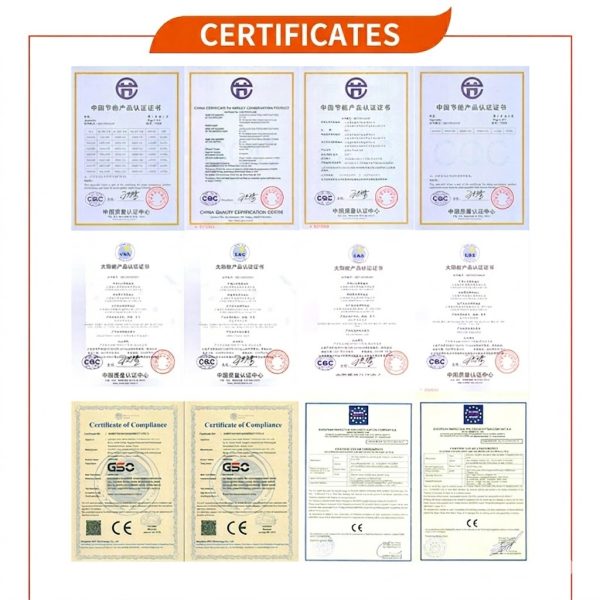
Factory audits and paperwork that close deals
Audit steps should be clear and measurable. Require documented production control, lot sampling plans, and evidence of calibration for test equipment. Ask for a snapshot of the production floor: how incoming cells are segregated, how BMS firmware updates are controlled, and how non‑conforming units are handled. Include a contractual clause for periodic re‑audits. These items matter more than a glossy brochure — they show the vendor runs a controlled manufacturing line.
Common procurement mistakes to avoid
Buyers frequently accept vendor summaries instead of original test logs, overlook firmware change control, or ignore field service response times. Another frequent error is conflating transport certification with operational safety: UN 38.3 covers cell safety in transport, while IEC 62619 addresses operational abuse scenarios. Skip those shortcuts. — Also, do not let a low unit price override demonstrable evidence of thermal testing and traceability.
Comparing vendors in practice
Create a weighted scorecard that balances certification, demonstrated performance, warranty realism, and service footprint. Include a field reference check—installations in climates similar to your deployment offer the best signal. For solar projects, look for systems already deployed as a home battery storage for solar solution; those examples show integration maturity with inverters and charge controllers. Use the scorecard to shortlist two suppliers, then run a small pilot before full purchase.
Three golden evaluation metrics
1) Certification Integrity: Confirm original UN 38.3 and IEC 62619 test reports, plus third‑party lab verification. This prevents accepting altered or partial documentation. 2) Operational Transparency: Look for complete BMS specifications, firmware change logs, and SOC management strategies that match the warranty. 3) Field‑Proven Service: Measure average response time for on‑site failures and availability of parts within your region; this controls downtime risk.
These metrics produce measurable outcomes: fewer commissioning reworks, clearer liability allocation, and predictable lifecycle costs. Choose suppliers that demonstrate them consistently — and you get systems that behave as promised.
gsopower fits this procurement logic with documented test reports, accessible factory QA processes, and regional support — a practical match for teams buying wholesale resilient systems. Concise, proven.