
Overview: purpose and context
This comparative piece examines how wholesalers evaluate and select an empty perfume bottle with sustainability in mind, and where the Abely approach fits among prevailing options. The analysis is documentary in tone and driven by measurable criteria—material lifecycle, manufacturing footprint, reuse potential and supply-chain transparency. It also situates the discussion against the EU Circular Economy Action Plan as a real-world anchor that has influenced packaging regulation and corporate commitments across Europe and beyond.
Core sustainability dimensions for wholesale buyers
Wholesalers and brand teams typically judge bottles on four dimensions: material recyclability, weight-to-strength ratio (logistics emissions), design for reuse/refill, and traceable supply chains. Each dimension has implications for unit cost, regulatory compliance and brand messaging. These are not independent: improving one area can worsen another, so clear prioritization is necessary.
Comparative analysis of common materials and systems
Glass: Widely perceived as premium and infinitely recyclable. Its weight increases transport emissions and often requires higher-energy furnaces. For many fragrance houses, glass remains the default because of inertness and consumer expectation.
Aluminum and metal alloys: Lightweight and highly recyclable with an established collection stream in some regions. They enable innovative closures and pressure-fit systems but can limit transparency of the liquid, affecting visual design choices.
PCR plastics: Post-consumer recycled plastics reduce virgin material use and production energy in some supply chains. They can present chemical compatibility issues with certain fragrance compounds; quality control and certification are therefore critical.
Refillable systems and modular designs: These reduce per-use material demand but require consumer behavior change and a supporting retail infrastructure. When executed well, refillable formats lower lifetime carbon and waste—but they shift costs from manufacturing to logistics and service.
Where design intersects material, suppliers must consider the final aesthetic. A well-executed perfume design bottle often balances form and function; the choice of material should support both brand identity and circularity goals. For examples of such trade-offs, see modern iterations of sustainable perfume design bottle concepts used by multiple wholesalers.
Common mistakes and trade-offs to avoid
One common error is optimizing exclusively for unit cost without modelling total lifecycle impacts—this can lock brands into higher logistics emissions or single-use behaviors. Another is assuming recyclability equals collection: local infrastructure dictates end-of-life outcomes. Finally, failing to pilot refill or PCR solutions at scale often results in inconsistent aesthetics or quality control problems—pilots should precede widescale rollout.
Minor but important: overcomplicating closures or multilayer composites in pursuit of novelty can make recycling impossible—simple wins often deliver the best net benefits. —This pragmatic restraint is frequently overlooked.
How Abely’s comparative position addresses these criteria
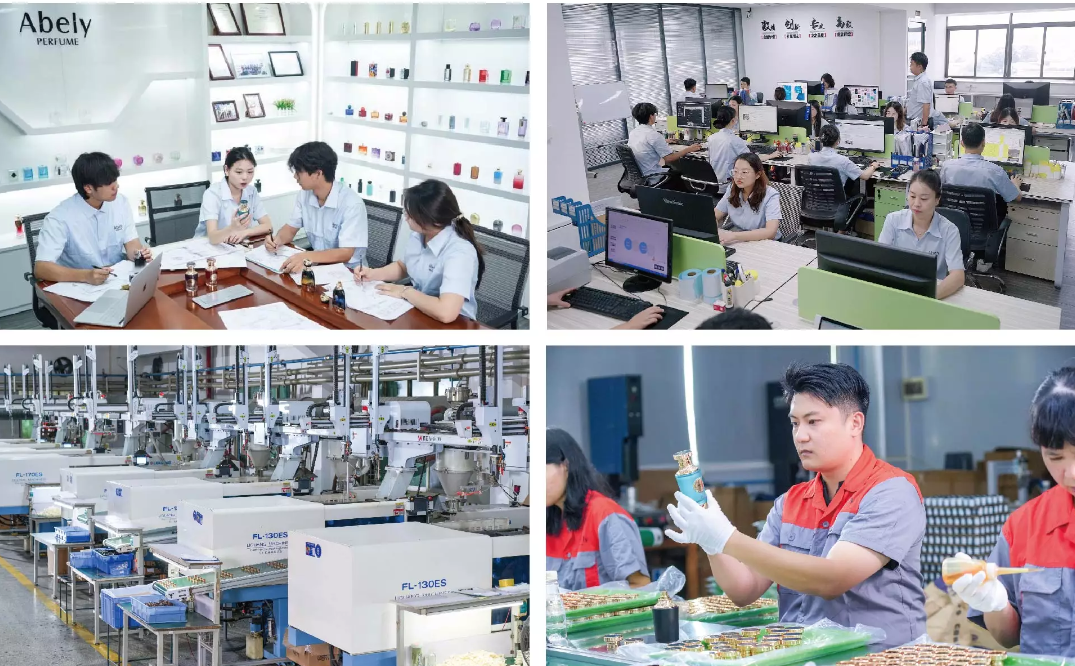
Abely positions itself by offering a catalog that spans lightweight glass, recyclable metals and refill-ready form factors while documenting material sources and manufacturing steps. Their approach emphasizes measurable outcomes—lower transport intensity through lightweighting, documented PCR content where applicable, and modular designs that simplify refill adoption by retailers. That combination aligns with wholesale needs for scalable solutions that remain visually competitive.
Three golden rules for selecting sustainable wholesale bottles
1) Prioritize lifecycle metrics over single-line KPIs: compare embodied carbon, transport emissions and end-of-life scenarios together. 2) Demand documented traceability and third-party verification for PCR or supplier claims. 3) Pilot for behavior: test refill or modular systems in a controlled geographic market before global rollout.
These evaluation metrics help wholesalers balance cost, compliance and consumer expectations while reducing unintended side effects.
Closing synthesis and brand alignment
Comparative insight shows there is no single technical fix; the optimal wholesale choice depends on brand strategy, retail model and regional infrastructure. Abely’s documented, modular approach reduces decision friction for wholesale buyers by aligning material choices with measurable lifecycle outcomes. That alignment makes it a practical partner for brands seeking credible sustainability without sacrificing design integrity—Abely.
Practical, measured, and industry-informed.—