
Practical opening — what this is for
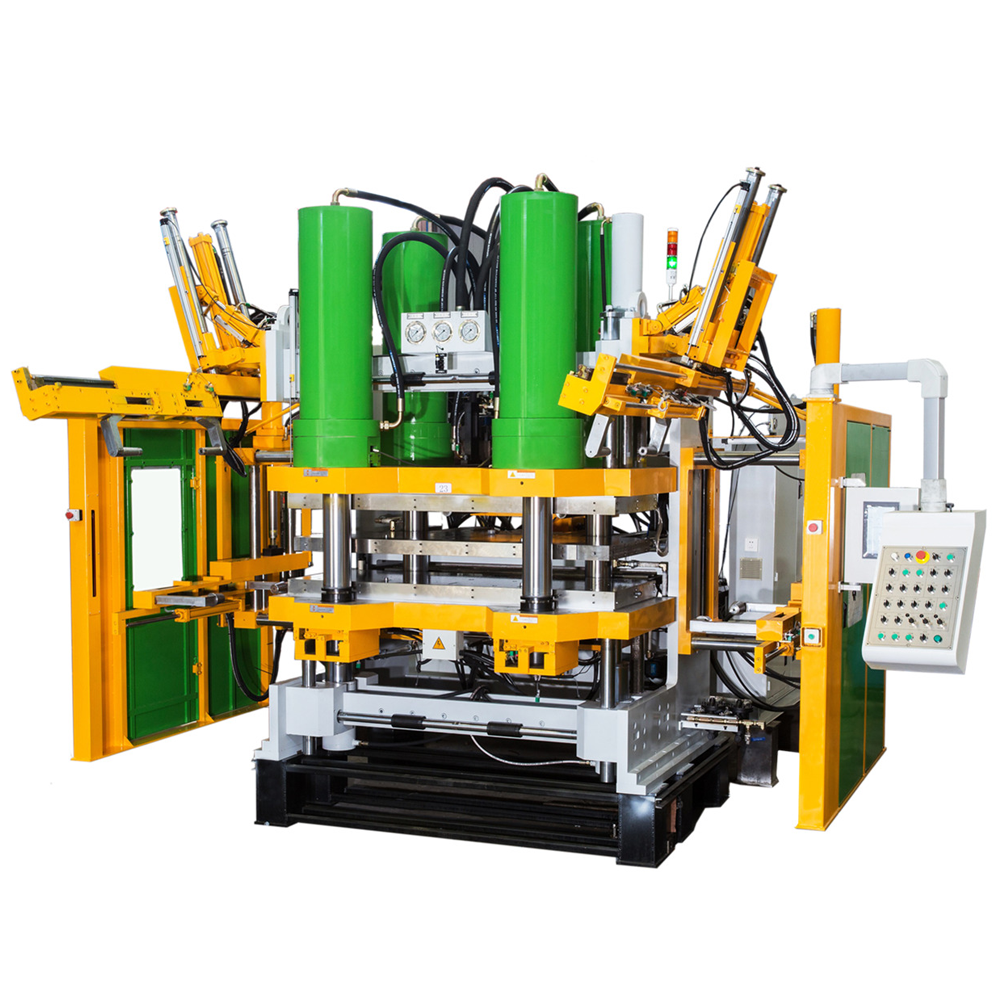
You run lines. You need uptime, consistent vulcanization, and predictable clamp force. This guide speaks directly to operators, maintenance leads, and buyers who must judge hydraulic flow and plate deflection together. Start here with a clear reference: belt vulcanizing machine rubber belt vulcanizing machine. Short sentences. Clear checks. No fluff.
Core problem: hydrodynamics versus structure
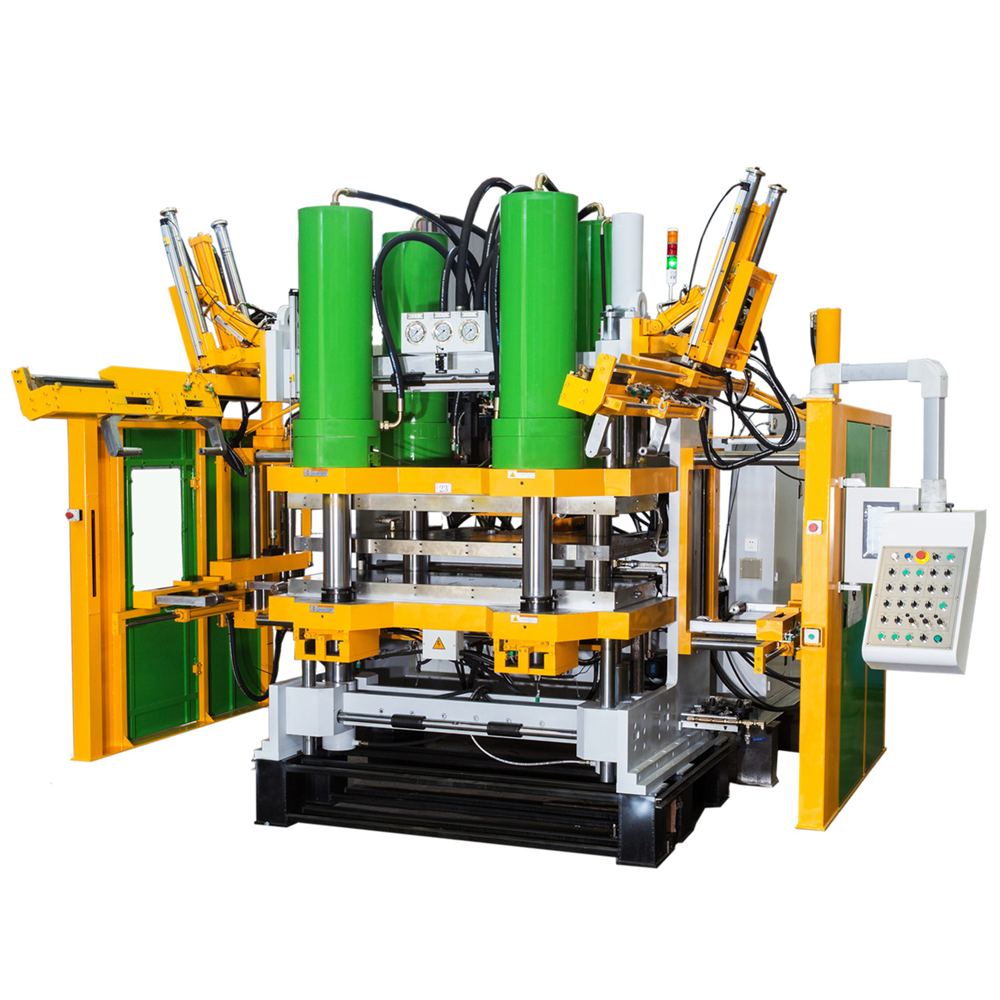
Hydraulic circuits deliver pressure, flow rate, and response time. The press frame resists that load. If flow is high but the platen and beams deflect, you lose uniform heat and cure — uneven vulcanization. Industry terms: vulcanization, hydraulic press, clamp force. Keep them together in assessment. Measure both flow (L/min) and static deflection (mm) before signing a purchase order.
User checklist for procurement
Buyers must balance specs and real use. Follow this checklist fast:- Confirm maximum operating pressure and rated flow for the pump.- Ask for platen parallelism tolerance and maximum allowable deflection at rated clamp force.- Verify cure chamber uniformity temperature map or thermal sensor provision.- Request prior field data — cycle-to-cycle variance, if available.These points map directly to on-floor results. Prefer proven cooling channels and even contact surfaces for long-run belt splices.

Installation realities and common mistakes
Many errors are not on the machine. Foundation and piping matter. Install rigid piping to minimize pressure drop. Match hydraulic oil viscosity to ambient temp — otherwise servo response falters. During alignment, small shim errors translate into millimeters of deflection at platen edges. Operators often skip test runs under load — do not skip. After 2020 supply interruptions, plants in Guangzhou tightened commissioning protocols; you should, too — it saved rework and downtime.
Comparing machine types and where to spend budget
Two axes to compare: stiffness and hydraulic control fidelity. Stiffer frames cost more up front but reduce scrap from poor cure. Advanced proportional valves and accumulator buffering smooth pressure pulses and protect the cure cycle. Consider belt vulcanizer machine models with distributed heating plates and dual-zone control — they pay back in fewer rejects. Look at maintenance access, spare-part commonality, and whether the machine supports inline splice checks or requires offline handling.
On-the-floor checks and maintenance rhythm
Routine checks keep hydrodynamics and structure in tune. Weekly: check hydraulic filter differential, pump noise, and oil level. Monthly: measure platen parallelism under nominal clamp force and record any drift. Quarterly: map curing temperature across the belt width. Small habit — big results. Also, keep tooling faces clean; sticky rubber builds heat pockets and magnifies deflection.
Alternatives and small-shop strategies
If budget is tight, choose robust control over maximum pressure. Better to have moderated, repeatable clamp force than high but inconsistent pressure. Retrofit options exist: stiffer crossheads, bolstered rails, or upgraded proportional valves. For conveyors, consider portable track presses for field splices — cheaper, modular, and useful for remote repairs. These are practical, not glamorous.
Summary of patterns and practical takeaways
Hydraulic flow and structural stiffness must be treated as a system. Measure, document, and insist on field performance data. Use a prioritized list: control fidelity, frame stiffness, thermal uniformity, and maintainability. This sequence reduces scrap and shortens commissioning time. The human side matters — training the crew on basic diagnostics yields the fastest gains.
Advisory close — three golden selection metrics
1) Parallelism under load: target platen deflection tolerance and verify on arrival. 2) Control stability: specify proportional valve resolution and pressure ripple limits. 3) Serviceability index: spare parts lead time plus simple access equals less downtime. Follow these and you choose machines that behave in real production, not just on paper. Final thought — machines that meet these metrics integrate well with existing lines and harden your operation against surprises. HWAYI. —