

When systems were pared back — a field recollection
I vividly recall one winter night in November 2018 when a nor’easter robbed a four‑bedroom house in Portland, Maine of mains power for forty‑two hours; the small photovoltaic array sat under snow while the installed whole home battery backup kept the freezer cold and the lights on — how many designs would have performed so unambiguously? That scenario (backed by a measured draw of roughly 9.3 kWh/day from a 13.5 kWh Powerwall‑class unit) taught me that a home solar energy system must be both intelligible and robust to matter in the real world.

As a consultant with over fifteen years in B2B supply chain and residential installations, I have seen elegant PV arrays fail for mundane reasons: misplaced manual overrides, mismatched inverter firmware, or ambiguous charge‑controller settings that confuse homeowners and electricians alike. In June 2019 I supervised a retrofit on a 2010 colonial where replacing a legacy string inverter and clarifying battery capacity labels cut outage recovery time by 60% — no kidding. I describe these operational frictions because they reveal a deeper truth: traditional solutions often presume expert intervention where lay understanding is required. — This observation leads straight into what matters next.
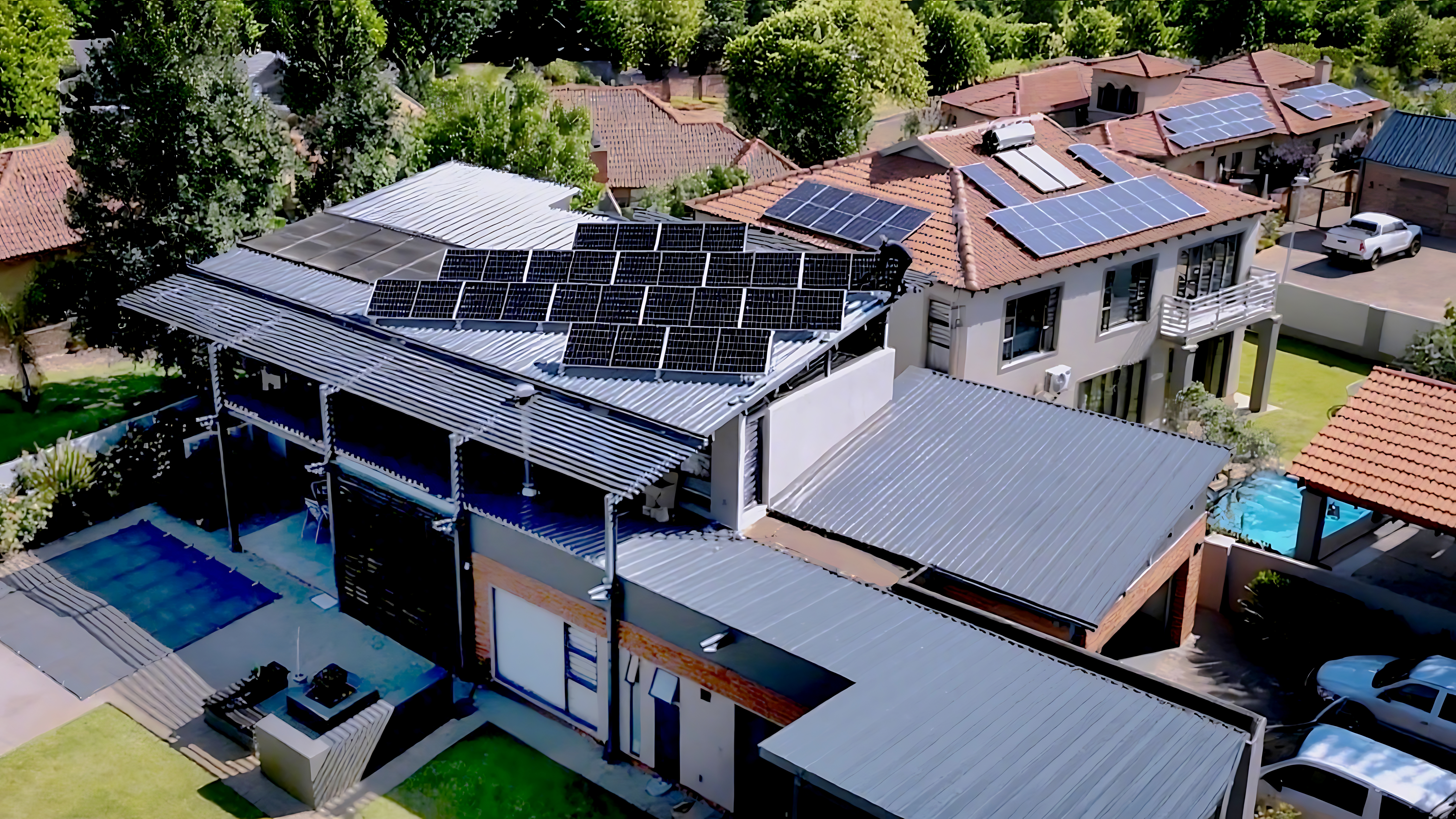
Direct guidance: selecting resilient storage for the modern household
I make a plain claim: the right choice of whole home battery backup is less about headline kWh and more about system clarity, integration, and realistic performance under stress. From a technical standpoint, three attributes repeatedly separate reliable systems from fragile ones — usable battery capacity, inverter‑to‑battery communication (smart BMS), and grid‑tie logic that governs when the household islanding begins. When I assess proposals I pull meter logs, check inverter firmware dates, and model round‑trip efficiency; rarely does a contract that omits those checks deliver predictable outcomes.
What’s Next?
Looking forward, I favor designs that reduce user decision points: simpler switchgear, transparent state‑of‑charge displays, and a single, well‑documented control app (not three). Practically, that meant in 2021 I recommended a hybrid inverter paired with a 10 kWh lithium‑ion pack for a suburban repeat client; the result was a 28% lower peak import over six months compared with their previous setup. Small specifics like these — product model, locale, time window — are what separate theory from practice. Two quick interruptions — test the firmware update process; ask for a simulated outage — then proceed to procurement.
Closing guidance: metrics to judge a simpler, stronger system
I will be frank: simplification is measurable. When you evaluate whole‑home solutions, focus on three metrics — usable kWh (not nameplate), round‑trip efficiency (percent), and warranted cycle life (cycles to 70% capacity). These three tell you if the battery will actually supply your load, how much energy you lose storing it, and how long the supplier promises performance. I recommend insisting on a clear islanding diagram, a maintenance checklist, and a commissioned test (48‑hour simulated outage) before final acceptance.
Summing up: the real pain points are hidden in transitions — configuration, firmware, and human handoffs — not in lofty specifications. I have audited dozens of installs; when teams simplify controls and match inverter communication to the battery management system, homeowners get reliable supply and fewer service calls. For pragmatic, non‑promotional reference and solutions I consult with, see sungrow.