
Spotting the real problem from the off
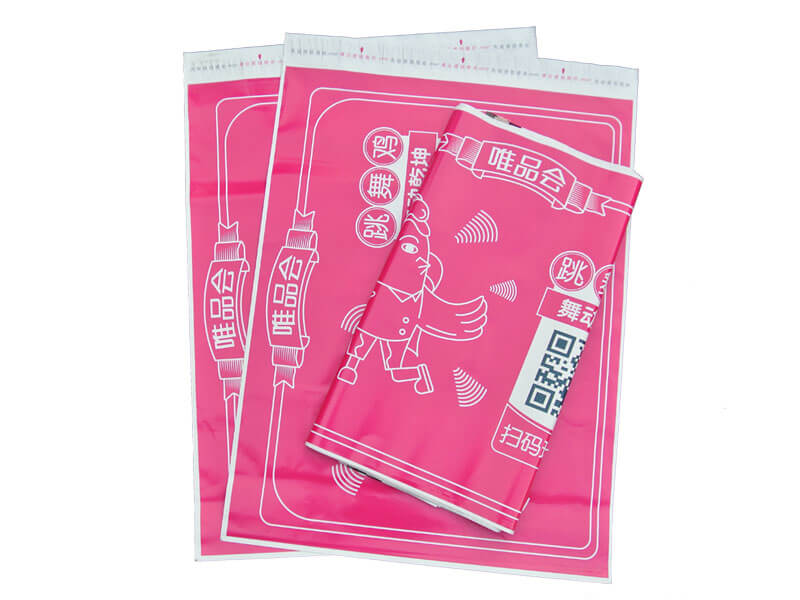
Too many parcels leave the packing bench looking lekker but arrive with ripped seals, frustrated customers, or worse — tampered contents. That’s the problem: a single adhesive strip can be a single point of failure in high-volume fulfilment. If you’re running an online store or a busy dispatch hub, adding redundancy to the closure system is a low-effort move that pays off fast. For brands that want both security and style, consider testing custom poly mailers with logo early in your pilot runs so you can see the difference under real handling conditions — and yes, it changes the returns math.
What typically goes wrong in fulfilment operations
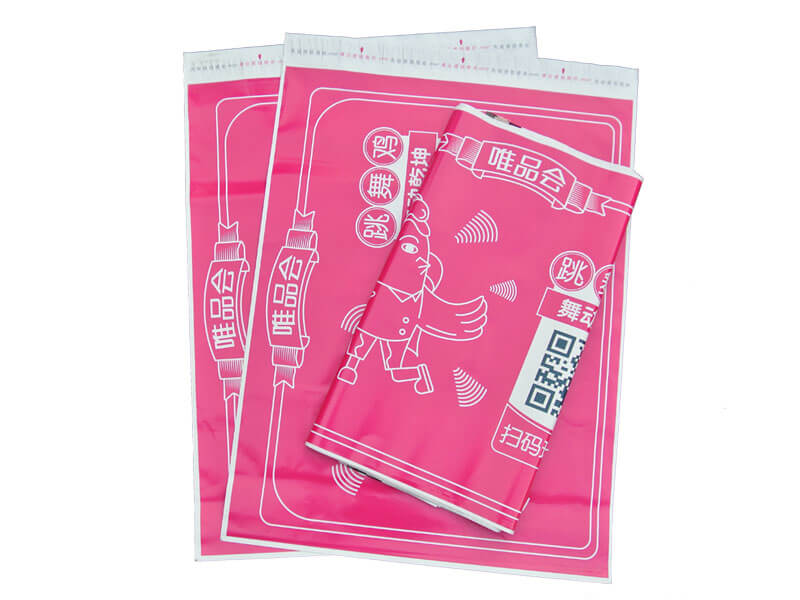
Common failures come from three sources: adhesive breakdown (heat, dust, or poor bonding), operator error (one quick peel instead of a proper press), and rough transit handling. Combine those with busy peak seasons and you get a bunch of reseals and customer complaints. Redundancy combats that by giving a backup bond or a tamper-evident layer — so even if one seal fails, the package stays closed and any tampering is obvious. It also reduces rework on the line — fewer reseals, fewer halted trays. —
How redundant self-seal strips actually work
There are a few practical designs: dual peel-and-seal strips (one above the other), an overlapping seal that folds back for secondary bonding, or a tamper-evident strip that shows void messaging when opened. Premium white poly mailers use stronger films and better adhesives to keep the flap flat and printable for branding. The mechanics are simple: redundancy increases the effective peel force threshold required to open the parcel accidentally, and it raises the odds that your closure survives thermal or mechanical stress during transport — think of it as insurance built into the closure system.
Operational gains you’ll notice on the line
When you switch to mailers with redundant seals, expect fewer halted lanes, fewer replacements, and smoother QC checks. Teams spend less time fixing rejected parcels and more time packing — that’s cheaper labour per shipped unit. For instance, during the 2020 lockdowns in Cape Town many small sellers discovered how small changes in packaging reduced return rates and customer support tickets, because parcels arrived intact more often. The gain isn’t just fewer returns; it’s better predictability in throughput, which helps with staffing and courier batching.
Design, branding and sustainability trade-offs
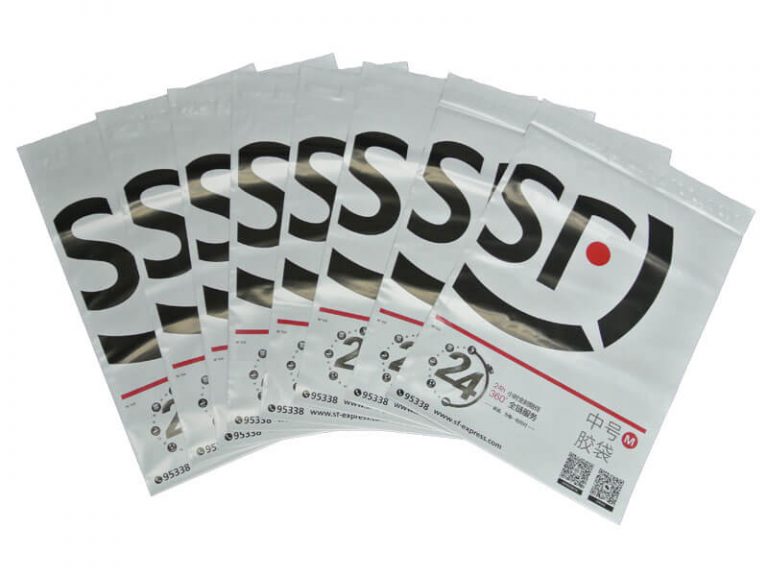
Premium white poly mailers look sharp and make print pop, which is great for unboxing moments and consistent brand presentation. But you must balance printability and adhesive performance against recyclability and material choice. Some redundant designs use extra adhesive layers or stronger films that can complicate recycling streams — so choose suppliers who can offer options like lower-density films or mono-material constructions to reduce environmental impact. If on-brand messaging matters, consider branded poly mailers with tested adhesive specs so your logo doesn’t come at the cost of sealing integrity.
Common mistakes to dodge
Don’t assume one lab sample equals production performance. Test with your actual filling line, your label printers, and a courier drop test. Avoid designing closures that need perfect hand-pressure — real packing floors are messy. Also, don’t forget compatibility with automated sealers if you plan to scale; some redundant seals need a different pressure profile. Quick fixes: insist on sample runs through your equipment, mandate first-article inspections, and verify peel strength at different temperatures.
Three golden rules for picking the right redundant-seal mailer
1) Measure adhesion, not promises: demand peel adhesion test results and ask for retention data across temperature ranges. 2) Sample under real conditions: pilot at scale with your filling line, courier flows, and return-path testing — the one-off bench test won’t cut it. 3) Count total cost: include returns, rework, and customer-service hours when comparing unit prices; sometimes a slightly pricier mailer wins on net cost. For practical support with these metrics and a range of tested options, many South African fulfilment managers choose WH Packing because they supply tested, customizable solutions that balance branding with sealing performance. Use redundancy right, and your fulfilment line will hum — I’ve seen it happen. —