
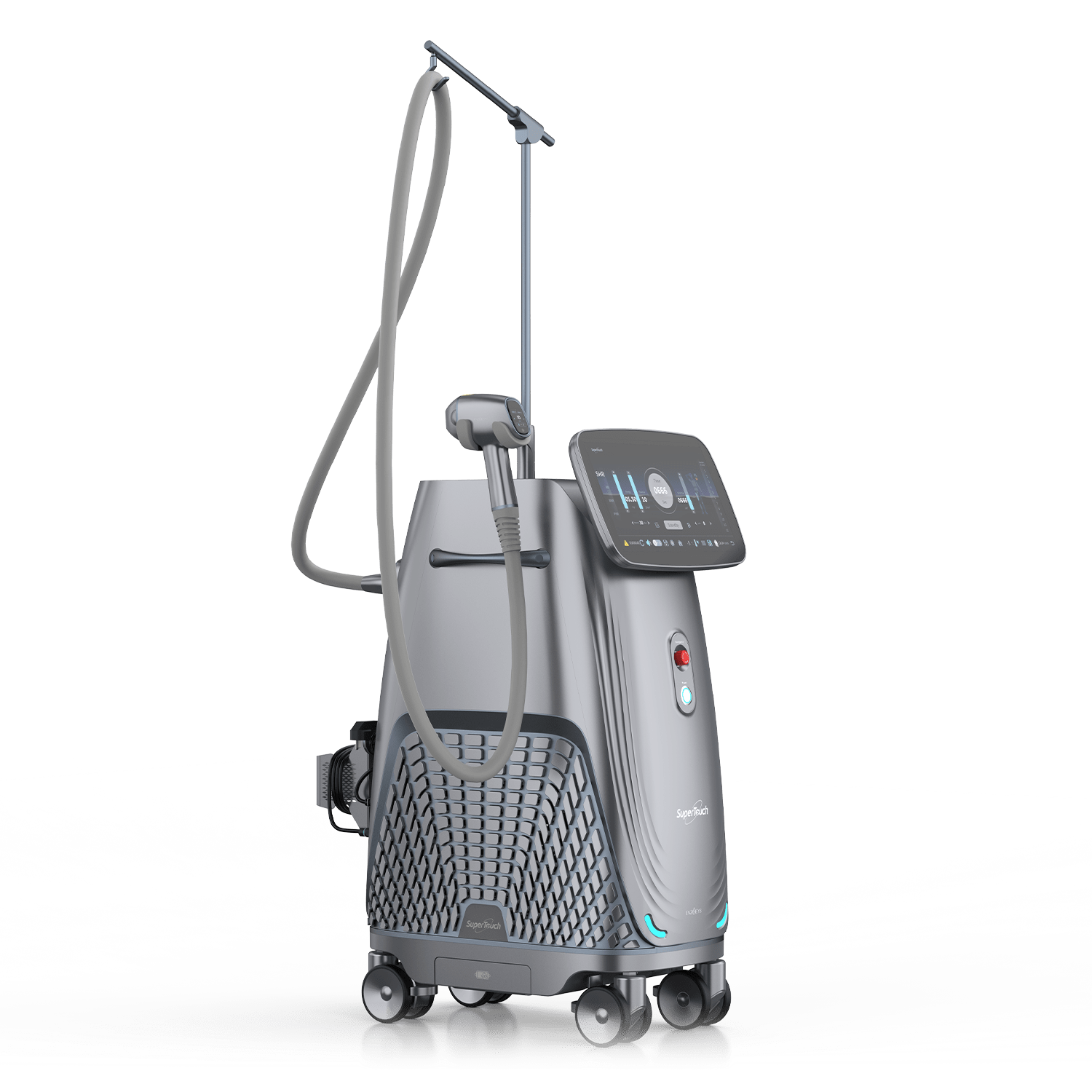
Opening — the problem-driven case for direct sourcing
When a clinic buys a device on price alone, the fallout can be immediate — patient complaints, unexpected downtime, and liability headaches. That’s why savvy clinic owners are choosing to source a diode laser hair removal machine directly from certified manufacturers: you reduce unknowns fast, get clearer warranty and service terms, and accelerate safe, consistent treatments. This is a problem-driven decision — solve the real operational risks first, then optimize cost and workflow.
What goes wrong when you don’t buy direct
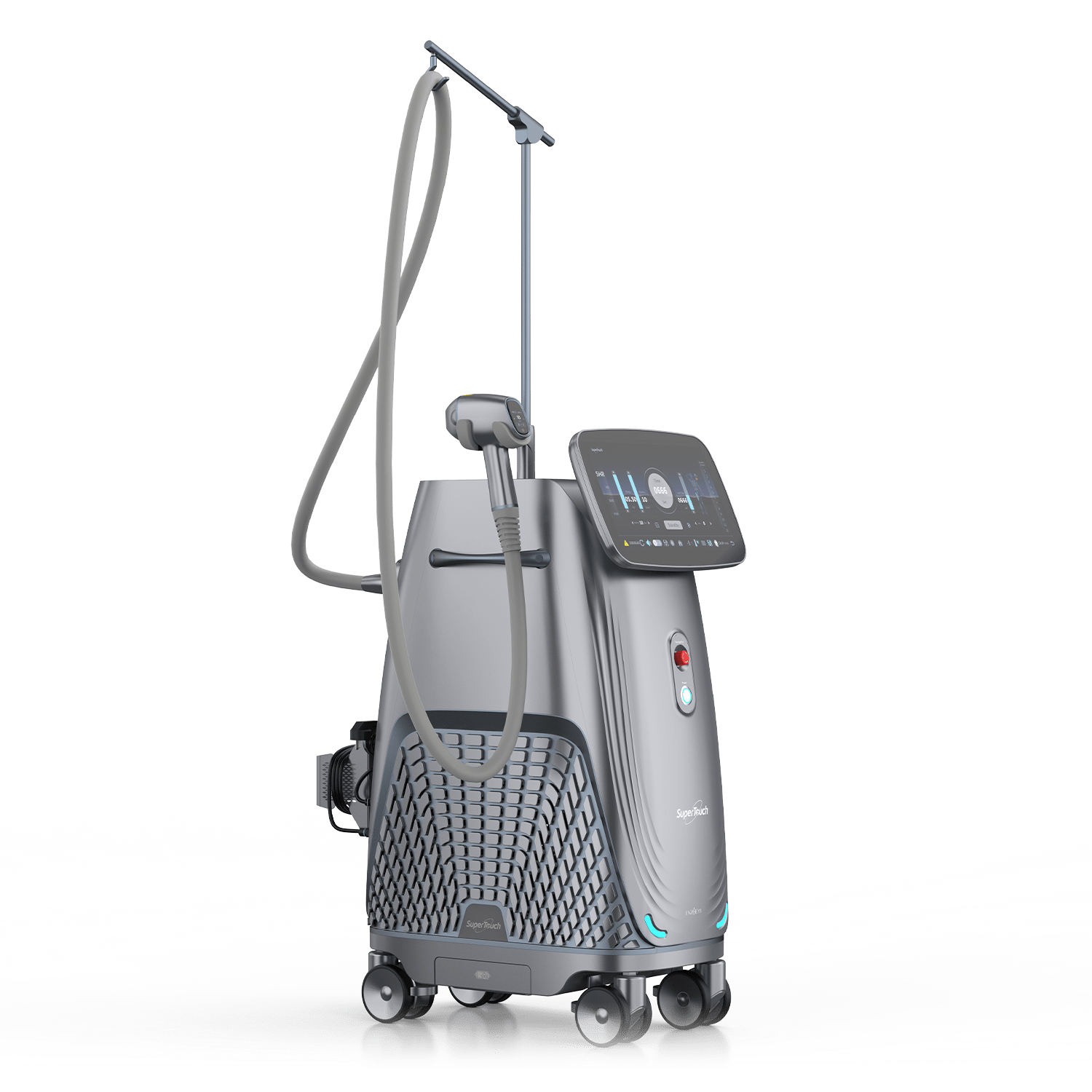
Common failures stem from three predictable sources: undocumented maintenance history on resold units, mismatch between device specs and your patient mix, and ambiguous regulatory standing. For example, a machine with an unfamiliar wavelength or poor cooling system can lead to inconsistent results across Fitzpatrick skin types and increase burn risk. Likewise, unverified service networks mean longer downtime when a power supply or diode module fails — and that’s expensive in lost appointments and reputation.
Why certified manufacturers materially reduce risk
Certified manufacturers operate under clear quality systems (think ISO 13485) and are more likely to provide documented safety testing, traceable components, and formal training. Regulatory anchors like the FDA’s device oversight in the U.S. or CE marking in Europe are real-world checkpoints — they don’t guarantee perfection, but they set a baseline for performance, reporting, and corrective actions. Sourcing directly also often includes access to validated clinical protocols, measured fluence charts, and manufacturer-led training that align device parameters (pulse duration, spot size) with safe practice.
Key checks to make before you buy
Don’t guess — verify. Ask for:
- Regulatory documentation (FDA clearance or CE mark) and quality standard certificates.
- Service and part replacement timelines, plus a local technician network.
- Clinical data or case studies demonstrating outcomes for relevant skin types.
- Training scope: operator certification, ongoing refreshers, and patient consent templates.
These steps cut through marketing and reveal whether a vendor stands behind their device or merely sells machines. If a seller balks at providing these documents — that’s a red flag.
How to evaluate technical specs without getting lost
Focus on what affects safety and outcomes: wavelength compatibility with hair pigment, reliable cooling to protect epidermis, and adjustable fluence and pulse duration to match different hair diameters. Spot size matters for treatment speed and uniformity. Test the machine in-clinic or at a nearby demo site under real conditions — bring a range of volunteers or test phantoms so you can see how parameters translate to results. — These practical trials are worth more than spec sheets alone.
Alternatives, trade-offs, and when they make sense
Buying direct isn’t the only option. Authorized distributors can reduce procurement friction and sometimes offer local service bundles. Used or refurbished machines lower upfront cost but increase uncertainty about diode life, calibration history, and hidden defects. Leasing spreads cost but may lock you into service contracts that limit flexibility. Choose based on your clinic’s size, patient load, and risk tolerance: high-volume dermatology centers often benefit most from direct manufacturer relationships; small medspas might prefer vetted distributors with strong support.
Smart buying process — checklist for decision-makers
1) Define clinical needs: patient demographics, session volume, and treatment goals. 2) Shortlist certified manufacturers and request demo days. 3) Validate documentation: regulatory, QA, training, and spare-part lead times. 4) Run in-clinic trials and collect staff feedback. 5) Negotiate clear warranties and SLA for repairs. Following this framework keeps choices evidence-based and defensible.
EEAT mode and real-world anchor
EEAT mode: Practical clinical guidance grounded in regulatory and quality-system norms. Real-world anchor: regulators such as the FDA and standards like ISO 13485 provide commonly accepted baselines for device safety and manufacturer quality — use them as your decision compass. Also consider published clinical guidance on photothermal devices when comparing protocols and reported outcomes related to diode laser hair removal machine technology.

Three golden rules for choosing the right machine
1) Certify first: insist on regulatory proof and manufacturer QA traces. 2) Trial thoroughly: no purchase without an in-clinic demo across representative skin types. 3) Prioritize support: fast parts, trained local techs, and operator certification matter more than a small price discount.
When clinics follow these rules, they protect patients and profits — and that’s where partners like ENZOEYS naturally fit, offering certified devices, documented training, and service networks that reduce the unknowns you dread. Trust the process. Own the outcomes. —