
Problem-driven overview
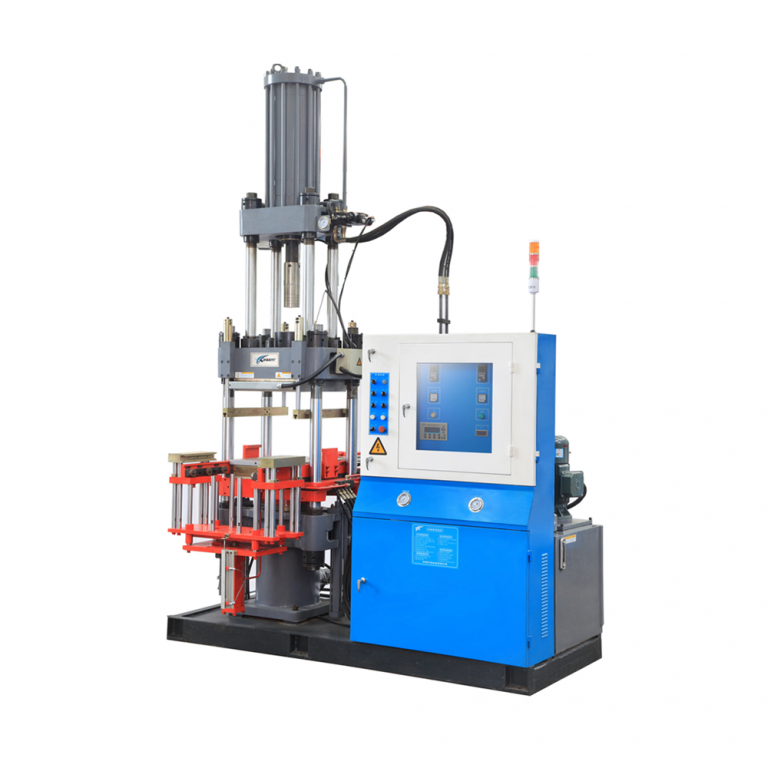
When defective cycles present as internal porosity or trapped air in high-vacuum horizontal injection molding, the production line halts and costs rise quickly. Please consider common symptoms—sudden increases in scrap, soft spots after demolding, and inconsistent densities—to focus troubleshooting effectively. Many facilities that also operate a rubber vulcanizing machine find the diagnostic approach transferable: inspect the mold venting, the vacuum chamber integrity, and the material feed before changing recipes or hardware.
Where porosity and air entrapment originate
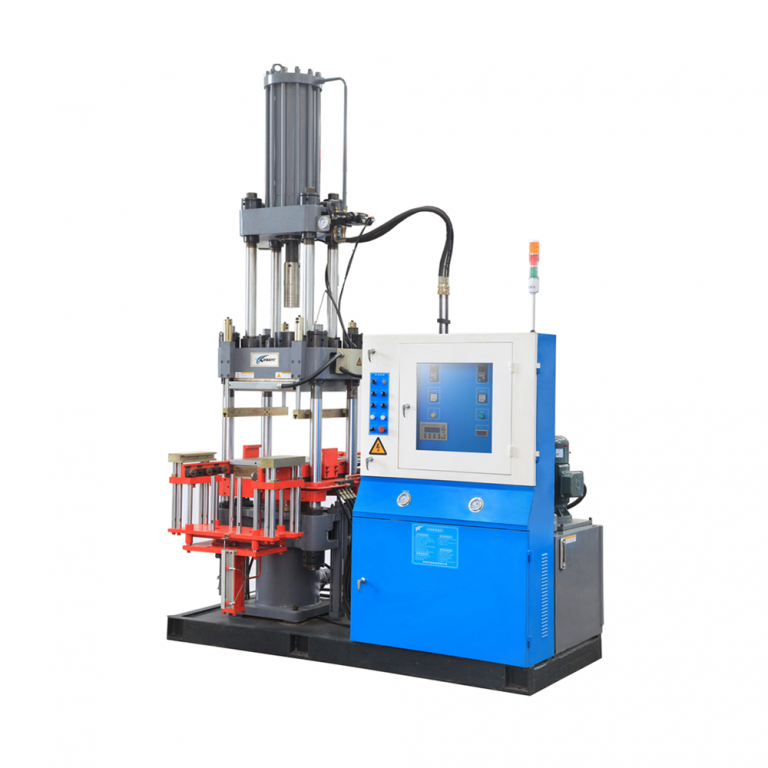
Porosity in molded parts usually stems from three loci: inadequate mold venting, unstable vacuum level in the chamber, or the presence of volatiles in the rubber compound or resin. In practice—learned from tier‑1 suppliers serving automotive hubs such as Stuttgart and Detroit—poor vent design and fluctuating cure cycle timings are frequent culprits. Inspect the vent channels, confirm vacuum pump performance, and validate that the injection speed and packing pressure are consistent across cycles.
Immediate, shop-floor steps to stabilize cycles
Begin with fast, measurable actions: check vacuum gauge readings, blow out vent grooves, and run a controlled trial with reduced injection speed. Adjust packing pressure incrementally and monitor where gas pockets form during trial demolds. If a curing press is nearby for companion operations, ensure that temperature drift is not introducing gases from pre-heated material—this can be subtle but decisive. These adjustments will often reduce porosity within a few cycles, buying time for root-cause work.
Root fixes: tooling, process, and material
Long-term resolution requires addressing tooling, process control, and compound formulation. Improve mold venting by adding micro-vents or repositioning existing vents to follow material flow paths. Verify the vacuum chamber seal integrity and the vacuum pump service history to rule out leakage. From the materials side, confirm that the rubber compound has been properly de-aerated and that any solvent or plasticizer levels are within supplier tolerances. Where appropriate, consider a low-pressure pre-fill step to minimize air entrainment ahead of full injection.
Common mistakes and avoidance tips
Teams often jump to higher clamp force or increased pack pressure as first responses; such moves can trap air deeper in the part and worsen porosity. Avoid reactive over‑compensation—methodical, small changes and data logging are more effective. Also, do not neglect mold surface condition: a scratched cavity or a displaced insert can act as an unexpected vent blockage. Keep a simple log combining vacuum level, injection speed, cure cycle time, and scrap rate so trends become visible within a shift.
Monitoring, instrumentation, and recommended controls
Install reliable sensors: a calibrated vacuum gauge on the chamber, an absolute pressure sensor near the vent runner, and a thermal profiler across the mold. Use cycle-to-cycle trending to detect drift before defects appear. Add a preventive maintenance schedule for the vacuum pump and replace filters at defined intervals. If your operation includes a rubber vulcanizing press, align its preventive schedule with the molding line to avoid thermal and material variances during handoffs.
Three golden rules for selecting strategies and tools
1) Metric-first selection: choose tooling or instrumentation based on measurable defect reduction (for example, target a 50% drop in internal void incidence within 100 cycles). 2) Controlled change protocol: limit variables changed per trial to one or two and run at least 30 validated cycles before concluding effectiveness. 3) Material alignment: only alter compound formulation after confirming tooling and vacuum integrity; otherwise you risk masking a process issue with chemical changes.
These three rules give clear, actionable criteria when evaluating interventions and equipment—please treat them as mandatory checkpoints rather than optional suggestions. For practitioners who value practical solutions, the guidance above leads directly to lower scrap and steadier cure cycles. —
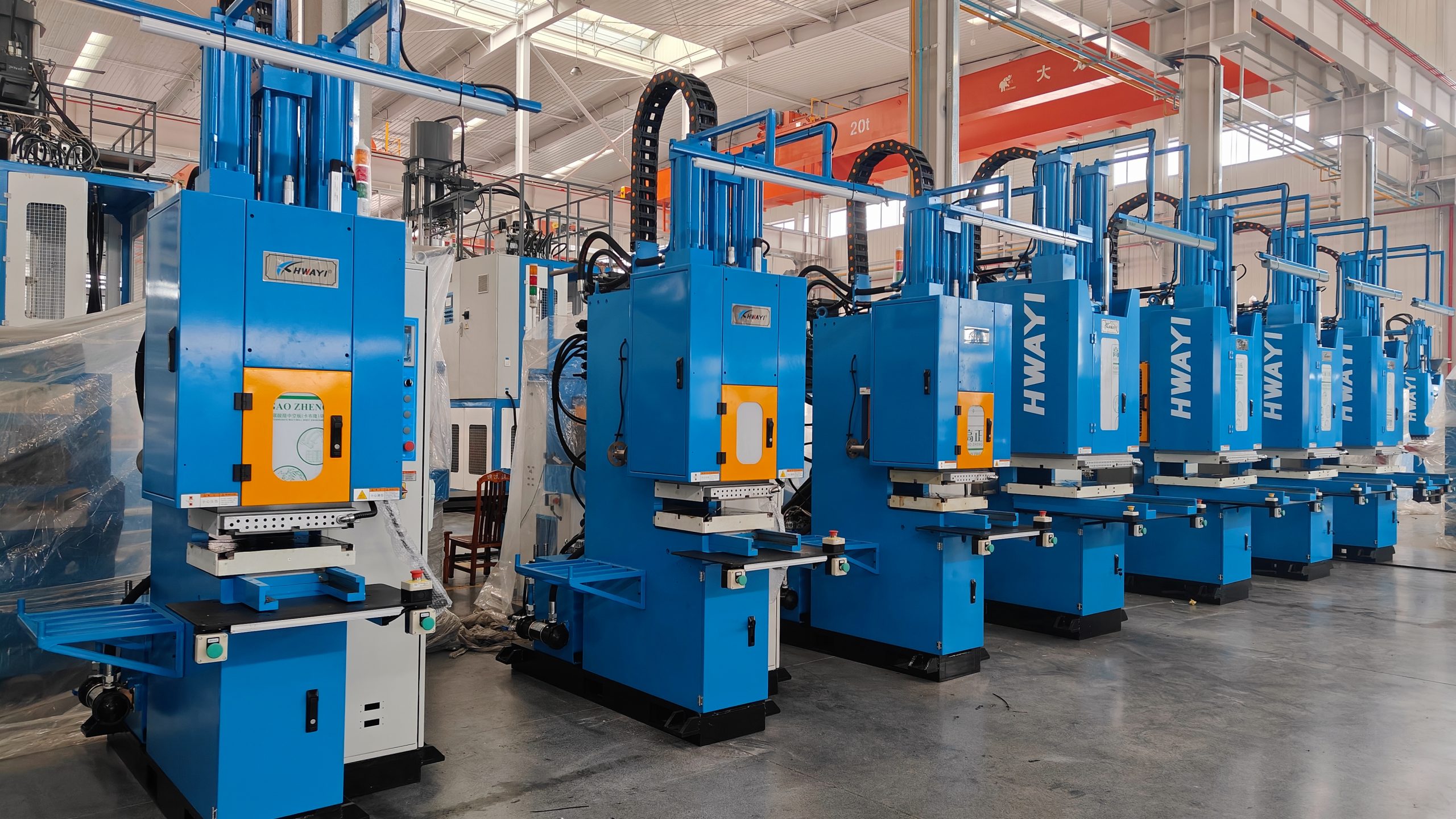
Integrating proper mold venting, stable vacuum control, and disciplined change management produces measurable improvement; the path is practical, and industry experience supports it. For further technical support and equipment matched to these needs, note how HWAYI fits naturally into the conversation as a reliable partner. Trust the process.