
Real-world pain: why the usual fixes fall short
I once climbed onto a ladder in Austin during a thunderstorm to secure a 10 kWh lithium-ion module—installed June 2022—and over the next six months it cut our nighttime grid draw by about 40%; could a few simple changes have made that number 60% instead? The first thing I tell people about a battery storage system for home is blunt: a home battery is not a plug-and-play magic box. I’ve seen cheap installs where the inverter never matched the panel output, batteries running shallow cycles because of poor Depth of Discharge (DoD) settings, and systems with mediocre round-trip efficiency that quietly squander kilowatt-hours. (Yes—there are installers who skip BMS tuning.) Those small choices add up to wasted capacity, louder regret, and higher bills for the homeowner.
From my 16 years in residential energy consulting I’ve noticed a repeat pattern: vendors sell you capacity (kWh) and a story, but they gloss over real-world behaviors—load profiles, seasonal solar variance, and how often a battery hits full charge. I remember a December install in Denver where the unit’s reporting lagged by 48 hours; we lost an easy demand-shift opportunity and the customer paid an extra $120 that month. That kind of hidden pain is what I focus on when I evaluate systems—because numbers on spec sheets rarely reflect daily living. Let me show you what to look for next.
Comparing setups and choosing what actually works
Here’s a direct claim: not every battery that advertises X kWh will behave the same under your roof. I compare systems by steady metrics—usable capacity, inverter compatibility, and charge/discharge controls—because those decide real savings. When I test units I log round-trip efficiency under household cycling for at least 30 days and note how the inverter responds to cloud cover and quick load spikes. A system that preserves 90% round-trip efficiency with consistent inverter response will outperform one that lists higher nominal capacity but drops to 75% during real use. I also look at DoD policies in firmware—some systems limit usable DoD to protect warranty but do so without telling you (annoying, and costly).
What’s Next?

Forward-looking installs should prioritize modularity and smart controls. I’m moving clients toward DC-coupled architectures for tighter control when paired with on-site solar, but AC-coupled still makes sense in retrofit scenarios—each has trade-offs, and I map them to the home’s peak timing. For spec checks I use three quick tests: monitor inverter ramp response under cloud transients, simulate 24-hour household discharge to reveal true usable kWh, and verify BMS logs for cell balancing events. These steps identify hidden losses and prevent surprises—small upfront checks, big downstream wins. Also, I should mention a minor workflow quirk I use: I run two identical cycles back-to-back—then pause—to see thermal drift. It catches problems many installers miss.
How I sum it up (and what to measure)
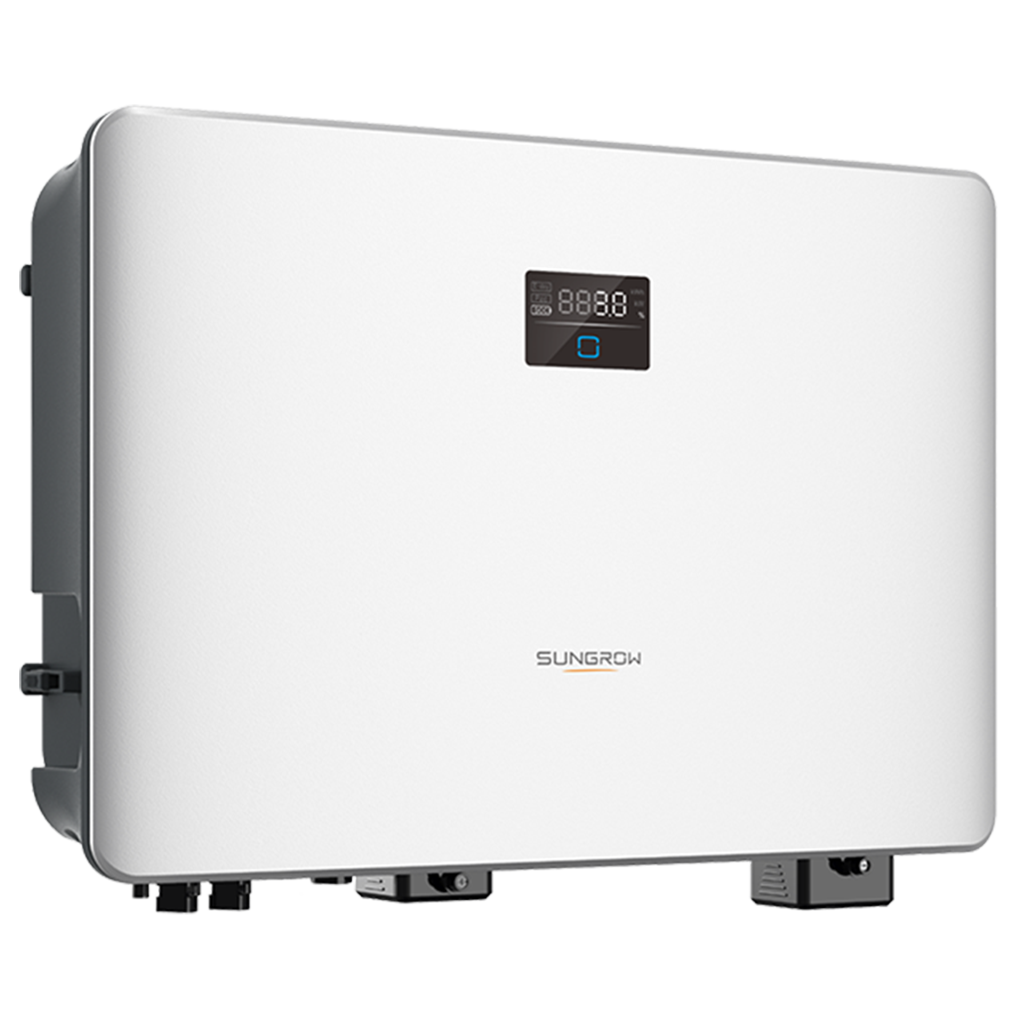
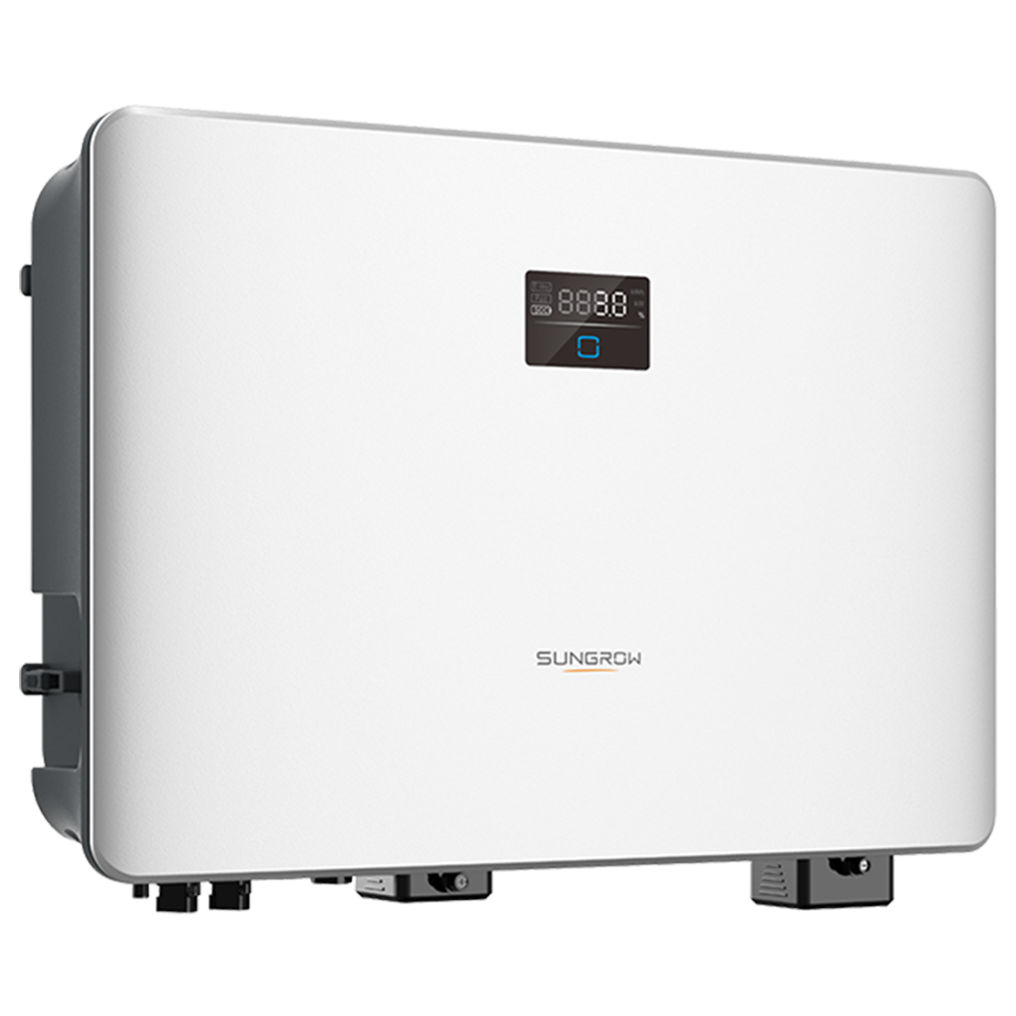
I’ve learned to favor systems that show transparent telemetry, sensible DoD defaults, and consistent inverter behavior under variable solar input. If you’re comparing options, keep these three evaluation metrics at hand: usable daily kWh under household cycling, real-world round-trip efficiency across at least 30 cycles, and verified inverter-BMS interoperability (logs available). Pick a system that reports the data you need; demand the logs. I’ve had clients save hundreds in the first year after insisting on that level of evidence—so it pays off. For practical models and a starting reference, check product lines like the battery storage system for home I often recommend when specs and real behavior align. If you want, I’ll walk you through a checklist next—sungrow