

The mess I walked into — and the stats that stunned me
I once showed up at a Midwest distribution center where the rooftop PV panels were dusty, the inverter was oversized, and the billing still spiked (I remember it was March 2022). The site had a nominal 250 kW array tied to a 500 kWh energy storage system, and yet their demand peaks hadn’t budged — they were paying roughly 18% more in summer demand charges than forecasted. So: if a clearly labeled solar system for business and an ESS are in place, why are the savings missing?

C&I Solar shows up in the paperwork, but I quickly learned the pain points aren’t brand names — they’re design shortcuts and operational blind spots. I’ve installed string inverters and bidirectional inverters for warehouses in Houston and Phoenix; I’ve seen mis-sized inverters, poor oversizing ratios on DC/AC conversion, and ESS controls that never got tuned after commissioning. That bad math bites your ROI — trust me, I saw a 70 kW mismatch cost a client an extra $9,200 in one month alone.
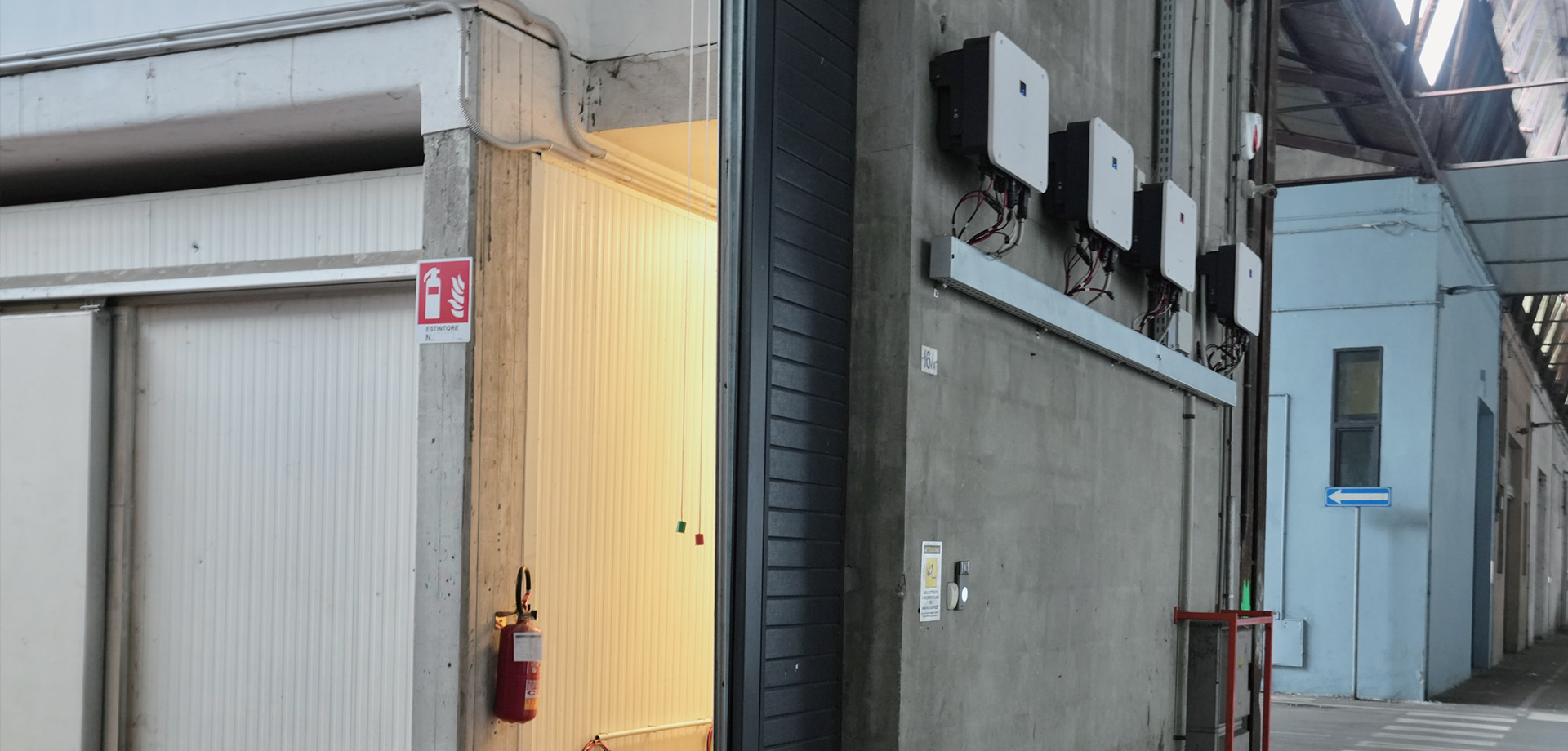
What exactly was failing?
Short answer: the traditional fixes — simple PV + inverter + meter — miss real business loads, reactive power needs, and failing grid interactions. Many teams treat a solar system for business like a plug-and-play widget. It isn’t. The hidden user pain points are operational: missing real-time dispatch, poor ESS lifecycle planning, and billing meter placement errors that mask true demand. I’ll walk you through what to fix next.
Direct solutions and what to pick next — my comparative take
Bold claim: picking components by price alone guarantees underperformance. I say that because I watched a low-cost inverter fail to deliver reactive power correction during a July heatwave — and the plant got hit with penalties. When I compare systems, I look at more than nameplate kW: control logic, ramp rates, depth-of-discharge strategies for batteries, and integration with building energy management systems. Those are the things that change monthly bills and equipment life.
Compare two real projects I handled in 2023: Project A bought generic string inverters and a 300 kWh ESS with default settings; Project B chose a higher-spec inverter with tailored PV-to-ESS dispatch and advanced grid-forming capability. Project B cut demand charges by 24% in the first quarter after tuning; Project A saw a 3% improvement. The difference came from configuration and commissioning, not just hardware. So when you evaluate vendors, evaluate testing protocols, not promises — and yes, check the warranty fine print (this matters).
What’s Next — how I judge a good commercial solution
Here are three practical evaluation metrics I use when advising commercial buyers: 1) Verified demand-reduction percent under representative load profiles; 2) Round-trip efficiency and guaranteed cycles for the ESS (look for specified kWh throughput); 3) Commissioning and O&M commitments — including remote firmware management and data access. Measure those, and you’ll see the trade-offs clearly. Also — insist on onsite load logging for at least 30 days before final designs.
I’m speaking from over 15 years of hands-on work in C&I solar deployments — I vividly recall tuning a controller in Houston on a Friday evening to avoid a Monday penalty, and that single adjustment saved a client $14,000 the following month. Small examples, big consequences. Think of inverters, ESS, and grid connection as parts of an orchestral score: if one player is off-tempo, the whole performance sounds bad. Choose systems that were scored and rehearsed — not boxed and sold.
To wrap up: evaluate system-level results, not just component specs; prioritize commissioning and real operational data; and demand clear lifecycle metrics for batteries and inverters. If you want quick metrics to compare vendors right now — ask for (a) verified demand-shift reports, (b) ESS kWh throughput guarantees, and (c) a documented commissioning plan with timeline. I’ve learned these the hard way — and they separate claims from real outcomes. For hands-on solutions and further guidance, check out sungrow.