
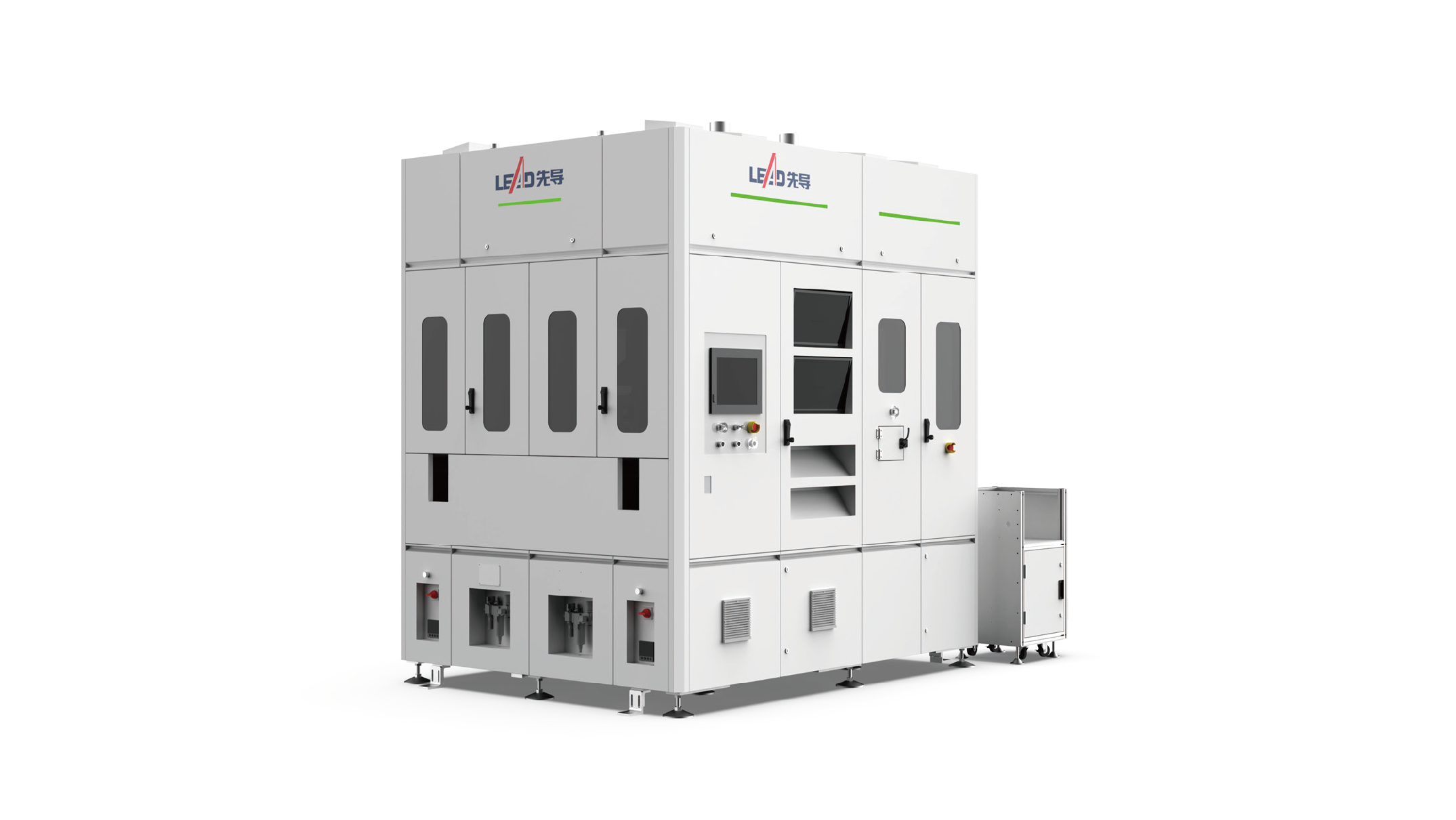
A Quiet Shift on the Factory Floor
It starts with a soft hum, a line breathing like a living thing. In the blue hour, lithium battery production holds its own kind of music, and the notes feel fragile. Last quarter, a plant saw yield swing by 5%, even though every gauge read “normal.” A single coater drift added 2% scrap; a dry-room leak added minutes, then hours. So the question forms, tender and sharp: how do we tune complexity so the output sings, not stutters?
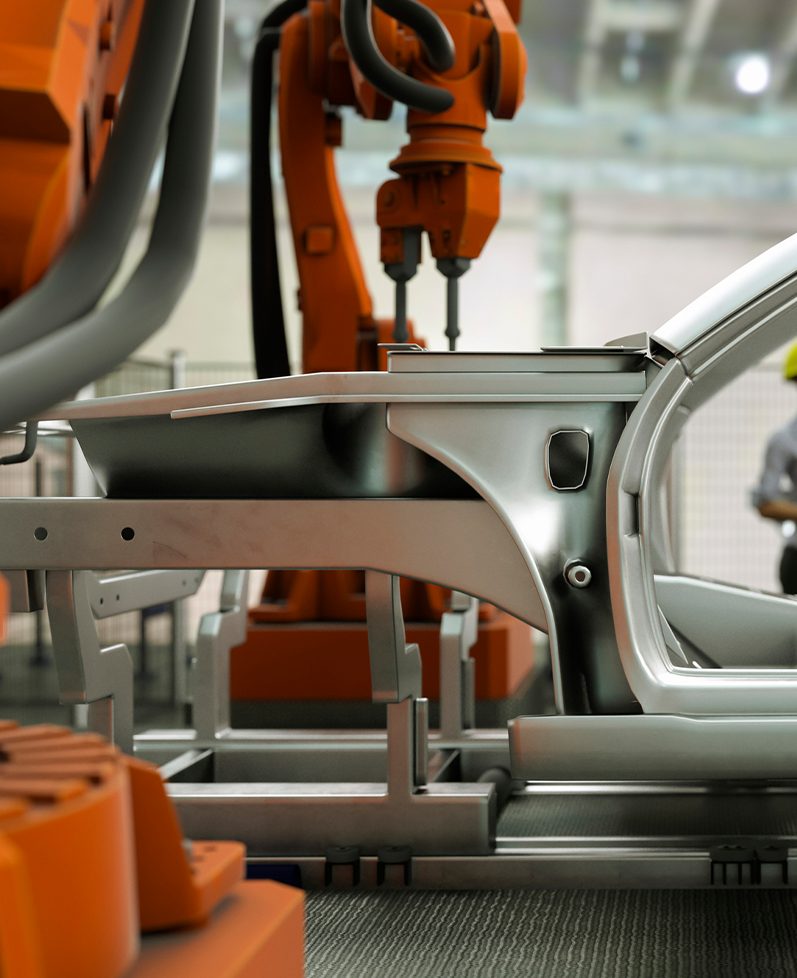
Picture an operator tracing a fault through meters of foil, past a calendaring gap and into a stack that looked perfect—until it wasn’t. The OEE chart smiled, yet field returns whispered otherwise. Edge cases hide in the folds (and they always do). Inline metrology saw only a slice in time—funny how that works, right?—while the process kept moving. We want control, not theater; signal, not noise. Let’s step from the glow of dashboards to the real work beneath them, and see what the floor is trying to say. Onward to the core problems we can actually fix.

Hidden Friction Behind Shiny Dashboards
What slips through on a “good” day?
Here’s the direct truth: checklists and pass/fail gates miss the grind that wears teams down. With battery manufacturing equipment, small drifts compound faster than they’re caught. Slurry mixing runs “in spec,” yet viscosity shifts with room load. Calendaring pressure holds steady, yet micro-variation at the nip marks a future defect. MES logs look clean, but data arrives late and out of sync. Look, it’s simpler than you think: the pain sits in the handoff between steps where no one owns the gap. That gap inflates scrap, adds rework, and turns solid plans into long nights.
Operators also fight time. Inline metrology checks less than it should, because changeovers squeeze minutes. Edge computing nodes exist, but they’re siloed, so insights stop at the cell border. Power converters hear the hum of the line; their noise and ripple shape what follows, but the model never saw that. The dry-room breathes a little too hard when the door swings—just enough to tease moisture into anode pores, and later SEI formation tells the tale. These are not “big” failures. They are the thousand small slips that, together, make a fall.
Principles That Make The Line Smarter, Not Just Faster
What’s Next
Now let’s look forward with clarity. The next wave isn’t more charts; it’s better physics in the loop. Think of battery manufacturing equipment as a set of instruments that must listen to each other. New control models fuse process signatures from mixing, coating, and calendaring with real humidity and thermal drift. Inline metrology grows teeth when paired with first-principles models, so a coater doesn’t wait to fail; it self-corrects. Edge nodes stop being islands, streaming aligned context into the MES without lag. The result is a closed loop that sees cause, not just effect—and acts before quality slips.
Case in point: one plant fed coating thickness, line tension, and oven zone heat into a shared model. When tension spiked, the algorithm trimmed speed and rebalanced zones, holding porosity in range without a stop. Scrap fell by 1.8% over six weeks, and OEE rose modestly, but steadily. Not magic—just math with good ears. And when power converters threw noise during peak draw, the system flagged the pattern, then filtered it in real time. The operator saw less, but knew more—funny how that works, right? This is how we compare “faster” to “smarter,” and choose “both,” with less risk.
So, what should guide your next step? First, measure stability, not only averages. Track run-to-run drift across critical points, like calendaring load and coater edge profiles, in the same time base. Second, check responsiveness. How quickly do models update when humidity shifts or a dry-room door opens? Seconds matter more than reports. Third, verify traceability. Can you link a field return to the exact oven zone, or to a tension spike three rolls back? If those three signals are strong, your system is ready to scale. If not, invest in the bridges between the steps, not only in the steps themselves. For deeper context and practical frameworks, explore solutions from LEAD.