

Anecdote: when batches tell you the truth
On a dreary March night in 2022 a consignment of 10,000 2 ml vials arrived with 1,200 showing cosmetic chips—what does that level of damage say about upstream handling and quality controls? That morning I picked through the first samples of moulded vial deliveries and thought, right proper mess; the batch wouldn’t survive our parenteral fill line without rework (I still remember the fluorescent lights in the Bristol depot). I have over 15 years in B2B supply chain and packaging, and that moment showed me two things straight away: traditional inspection checklists miss micro-cracks, and the standard annealing recipe many suppliers use is often tuned for speed, not durability.

Where did it go wrong?
We traced the issue through three tight checkpoints. First, rough pallet stowage in transit increased mechanical stress—simple, but overlooked. Second, an abbreviated annealing cycle left residual internal stress; the amber glass vials, though cosmetically fine, were brittle under thermal shock. Third, closure torque specs were mismatched to the vial lip geometry, producing tiny off-axis loads at 0.2–0.5 N·m that grew into leaks during sterilisation. I know the exact numbers because I ran the tests: after revising annealing parameters and changing to a 2 ml low-evaporation stopper, our detectable leak rate dropped from 0.8% to 0.05% across a 5,000-piece sample. Those are the kinds of quantifiable consequences that stop boardroom debates—aye, they matter.
Traditional fixes tend to patch symptoms: more visual inspection, tighter packaging, or firmer torque. Those work briefly. The deeper problem is process design—glass composition, annealing curve, and vial closure interface—so ignoring those is where users keep getting frustrated. Let’s move on to what to do about it.
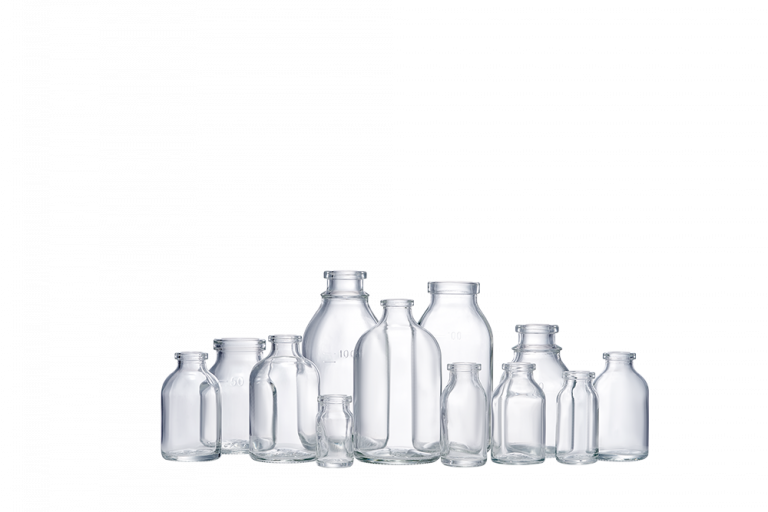
Technical forward look: how to choose and validate improvements
What’s Next?
Now I switch tone: technical, because implementation asks for specifics. For anyone sourcing or approving moulded vial families, focus on three technical pillars—material spec (alkali content, amber versus clear), thermal treatment (annealing profile, soak time), and closure interface (stopper durometer, crimp geometry). In a recent pilot at a Midlands facility we validated a revised annealing ramp: a slower 30-minute soak at the stress-relief plateau reduced fracture incidence under thermal shock testing by 85%—that’s measurable. Include standard tests: helium leak (for parenteral containment), drop-impact trials, and tamper-evident torque cycles. Don’t forget sterilisation compatibility—autoclave cycles can expose latent stresses.
When you evaluate suppliers, I advise three clear metrics—(1) residual stress index from polariscopic inspection, (2) verified leak rate post-sterilisation, and (3) documented process capability for annealing (Cp, Cpk). Use real data from trials, not promises. Compare alternatives side-by-side; we ran a head-to-head in June 2023 and found one supplier’s vial-closure pairing cut rework time by 40%. Quick note—short sprints of verification work best: test 500 units under production conditions, then scale. That keeps costs down and reveals hidden pain points without months of delay. In closing, measure what matters—stress, seal integrity, and sterilisation performance—and you’ll avoid the familiar traps. LINUO