
Introduction: A System, Not a Switch
Dim-to-warm is not magic; a dimmable wall lamp is a system of LED package, driver, and control speaking in the same rhythm. Wall lamp manufacturers face the same constraint in every build: the driver, the light engine, and the dimmer must agree—or the room pays the price. Picture a boutique hotel update: new corridors, quiet rooms, and a spec that calls for smooth fades from 100% to 5%. Data says over 40% of field complaints in hospitality lighting trace back to driver–dimmer mismatches, ripple current, or poor thermal management (small parts, big fallout). So the question is simple: why does dimming still feel fragile when LEDs promise control?
In practice, three variables drive reliability—load profile, control protocol, and heat. Make one wrong, and flicker shows up, glare index rises, and user trust drops. The project manager sees a nuisance; the engineer sees a constant-current driver that never met the TRIAC curve it expects. And yet, the fix is not costly. It is precise. This guide compares approaches and exposes the gaps you can close today—without changing the brief.
Where Traditional Dimming Falls Short
What breaks in the old approach?
Here is the blunt truth: legacy dimming chains were built for filament, not firmware. Older TRIAC dimmers chop voltage; LEDs need current control. The result is visible flicker at low levels, audible buzz from drivers, and random cutouts as power converters hit protection. Look, it’s simpler than you think. When a constant-current driver guesses at a chopped waveform, it flattens or surges. PWM dimming then stacks on top, and the EMI filter fights the noise. Users see strobe on camera, or a harsh step at 20%—funny how that works, right?
There is more. Heat. A compact wall sconce has limited air, so the heat sink runs hot; that ages electrolytics in the driver and swings luminous flux. Add a mismatched load, and the dimmer’s minimum wattage trips. Now the installer adds a dummy load to cheat the curve, but power factor drops and energy codes frown. Meanwhile, color drift shows because the LED bin and the driver’s low-end regulation do not align. In short: the traditional path adds patch after patch, but still misses the user need—stable fades, quiet electronics, and a clean CRI under dim. The pain point hides in plain sight: the chain is not tuned end to end.
New Principles, Better Light
What’s Next
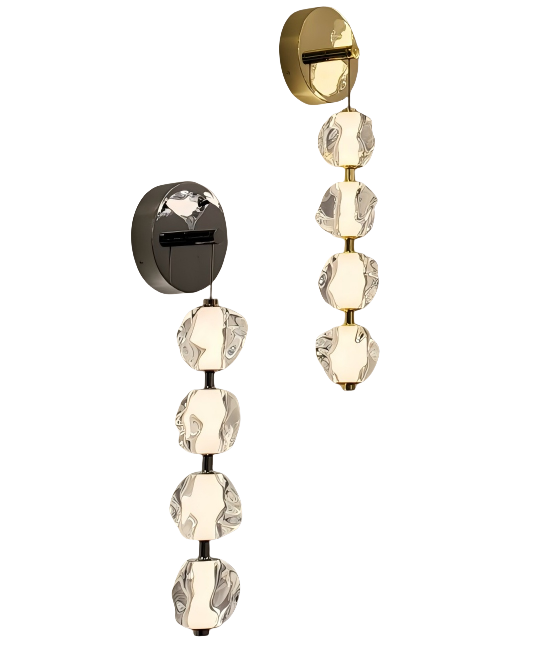
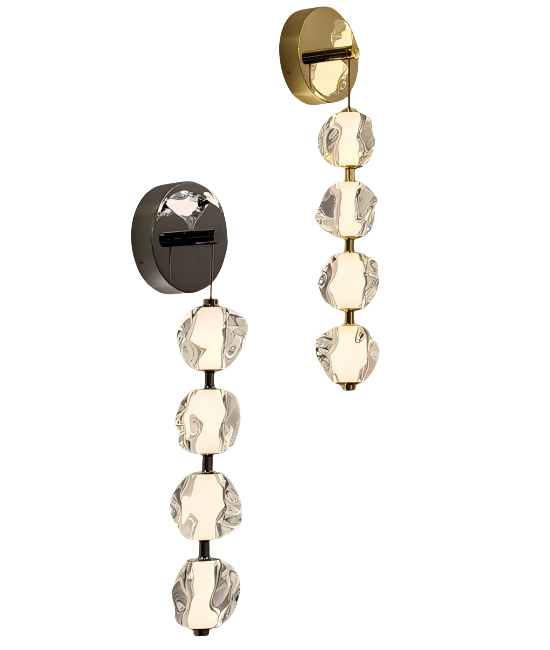
The forward path is not exotic; it is integrated. Start with drivers designed for deep dimming and verified on known curves (ELV, 0–10 V, DALI-2, or Bluetooth Mesh). Pair them with LED engines that hold color through low current—via calibrated PWM or hybrid dimming that avoids visible artifacts. Add thermal management that keeps junction temperature steady; that protects both output and life. This is why a modern gold wall lamp, such as a modern gold wall lamp, can fade to 1% with no shimmer when the control loop is matched to the fixture mass and optical diffuser. The outcome is stable, low ripple current, and curves that feel analog even when the logic is digital.
Principle two: measure, then ship. A verified low-end floor (1–3%), flicker index under 0.1 at mid-levels, and consistent CCT tracking prevent the “two sconces, two colors” problem. Principle three: design for the envelope. Wall luminaires are shallow; keep the heat path clean and the driver derated. That halves early failures. It also keeps the glare index down because output stays smooth—no sudden jumps as the dimmer crosses a threshold. Compare that to patched legacy chains with dummy loads and guesswork trims. The integrated route yields fewer site calls, tighter tolerances, and predictable behavior across batches—exactly what a spec-led rollout needs. And yes, it looks better on camera—no banding in video, which matters more each year.
How to Choose Under Pressure
We covered why dimming breaks and how integrated design fixes it. Now, choose with numbers, not luck. Advisory close-out with three checks: (1) verify driver ripple percentage under load—target below 10% at 20% output; (2) demand a low flicker metric—flicker index ≤0.1 or IEEE 1789-compliant at common setpoints; (3) confirm color stability—CCT shift less than 100 K across the dim range with CRI held. Also confirm minimum wattage on control gear, and check the IP rating if the sconce meets damp zones. Do these, and installs go quiet. Do not, and the punch list grows—fast. When in doubt, request a tuned sample set and dimmer matrix from the maker. It saves the next site visit and keeps the schedule honest. For more engineering-first specs and fixture pairings, see kinglong.