
The problem (short and unromantic)
Your recipe reads fine on paper but the tank tells a different story: streaks, phase separation, and product that pretends to be homogeneous until a customer opens it. The culprit isn’t mystical chemistry or bad vibes — it’s shear, flow, and how you feed the mixer. Too often engineers try brute force and call it process control. A sensible start is switching from chasing agitation to controlled dispersion with a reliable inline high shear mixer, placed where the ingredients actually meet, not where they sulk in the tank corner.
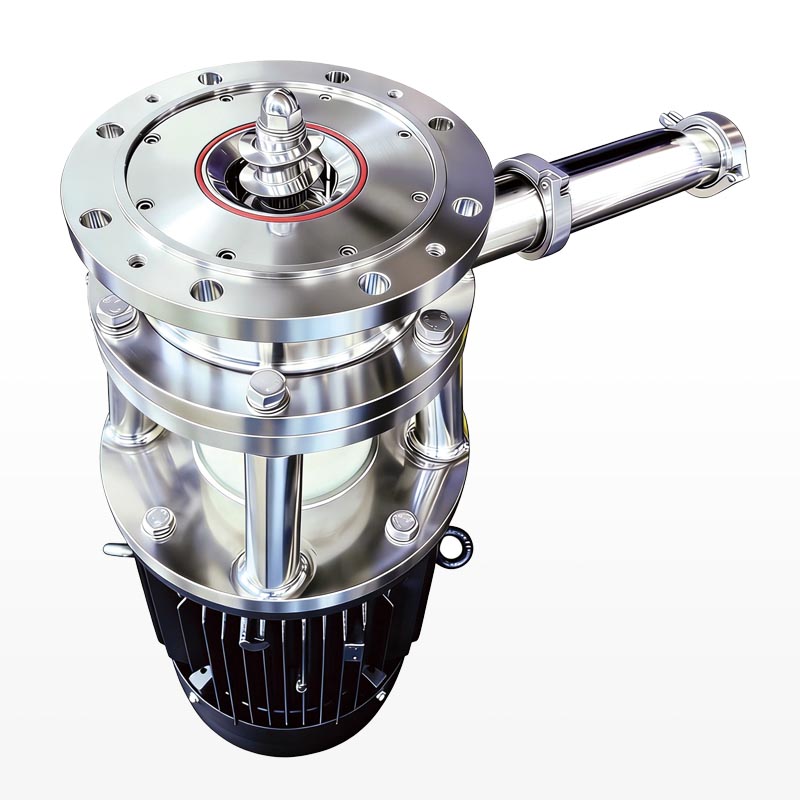
How this problem shows up and why it matters
Bad mixing shows as inconsistent particle size, off-spec viscosity, and shorter shelf life. That means wasted raw materials, surprise returns, and quality audits you don’t want on your calendar. The technical root is simple: insufficient local shear and poor inlet conditions create zones that never see enough energy. For many products—emulsions, suspensions, gels—this isn’t a cosmetic issue; it’s a performance one. Fixing it means controlling shear intensity, residence time, and feed geometry, not turning the agitator up to “apocalypse.”
Experience, evidence, and one clear anchor
After a decade advising beverage and specialty-chemicals lines, I’ve watched marginal improvements mask recurring failures. Practical trials and process audits at dairy processing plants in Wisconsin show this plainly—installing the right inline homogenizer at the feed point slashes droplet size variability and reduces rework. That observation aligns with industry test reports and peer-reviewed studies comparing in-line high-shear treatment to batch-only shear, so this isn’t opinion dressed up as prophecy—it’s reproducible engineering.
What usually goes wrong during implementation
Teams pick a consensus model instead of measuring: they assume impeller RPM equals shear, ignore feed solids, and forget entrained air. Common mistakes are oversized pumps that cavitate, narrow eye nozzles that clog, and treating the mixer like decorative plumbing. The fix: measure inlet concentration and viscosity, select rotor-stator geometry for your target particle size, control flow rate to set residence time, and provision a clean-in-place path. Do the basics and the rest stops pretending to be complicated.
Alternatives and why they often fail to impress
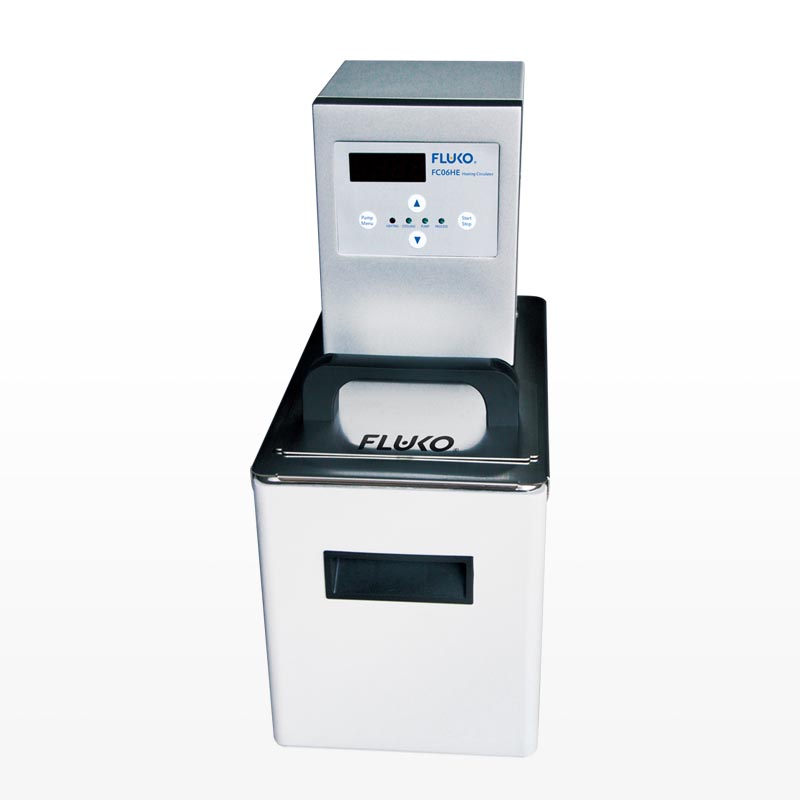
Ultrasonic processors, rotor-stator batch homogenizers, and high-pressure piston homogenizers all have valid niches. Ultrasonics can be great for lab-scale finesse but struggle with continuous throughput. High-pressure systems hit tiny droplets but demand more maintenance and energy. Batch rotor-stators are flexible but leave you fighting tank dead zones. The pragmatic choice is picking the device that matches your required throughput and particle-size distribution; for continuous industrial lines where feed control matters, well-configured in-line shear usually wins on consistency and operational simplicity.
Quick checklist before you buy or retrofit
Decide target D50 and allowable distribution width. Confirm feed solids and temperature range. Match rotor-stator design to material rheology. Specify flow range and turndown ratio, not just peak capacity. Plan for CIP access and spare rotors. Validate with a pilot run and particle-sizing data, not anecdotes. If that sounds like work, good—because slapdash is cheaper only until the auditors arrive.
Final thought that won’t sugarcoat reality
If you want fewer surprises, treat mixing as engineered contact between phases rather than a faith-based ritual. The value shows in repeatable particle sizes, predictable viscosities, and fewer middle-of-the-night calls. For many processors the practical route is clear: place the shear where ingredients meet, control feed, and use equipment built for continuous work—solutions embodied by FLUKO deliver that kind of straightforward, measurable improvement without the drama.