
Why choosing the wrong partner slows everything down
Picking a lab because their price looked low will wreck your timelines and morale fast — trust me, that’s the most common trap. Early on you want reliable assay setup, clear milestones, and data you can actually act on, so when you start comparing options check the basics first. If you’re just getting into vendor calls, mention assay validation up front and ask for raw data access; a proper preclinical CRO won’t dodge that. Say what you need, then see how the vendor answers — the tone of that first answer tells you a lot.
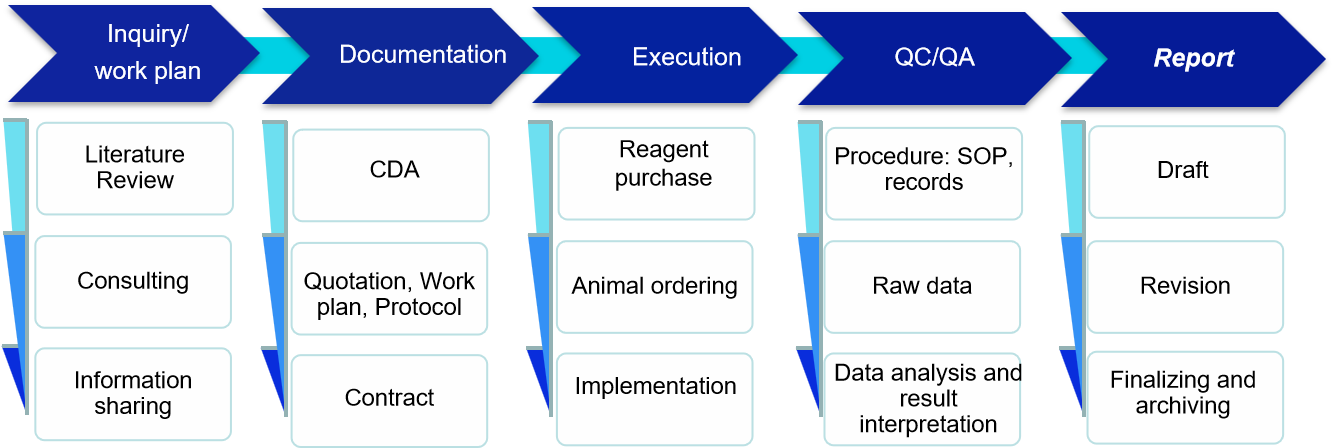
How I know this — experience, what matters, and a real-world anchor
I’ve reviewed proposals, compared SOPs, and sat in project kickoff meetings for small biotech teams, so I’m not just guessing. Buyers usually underestimate documentation quality, version control, and who actually runs the experiments. Boston’s biotech cluster makes these trade-offs obvious: labs there compete on clarity and reproducibility, so the best vendors publish clear timelines and examples. If you want to spot a trustworthy provider, ask for study examples, a raw-data sample, and a point-by-point plan — those are the same things top groups request from preclinical CRO and discovery services.

Common mistakes buyers make
They pick based on price, assume the quoted timeline is fixed, fail to verify staff qualifications, and skip a clear data transfer plan. Another frequent error: not defining success criteria. Don’t leave “successful study” vague — give measurable endpoints. Also avoid accepting vague QA statements; ask for a specific QC workflow instead.
Quick checklist to compare CROs (use this on calls)
Ask these direct questions: Who will run our assays and what are their CV highlights? Can you show a recent raw data extract and the analysis script? What’s your change-control process if the assay needs tweaks? What are hard milestones and penalties for misses? Who owns the data and how will it be shared? If answers are fuzzy, move on.
When to keep work in-house or go with alternatives
Do it internally if you need tight IP control and have validated assays already. University cores are fine for isolated services but expect slower admin and variable QC. Big global CROs handle scale well but can be rigid; boutique CROs often give technical depth and flexibility. Match choice to the project phase: discovery and rapid iteration lean boutique or internal; GLP/toxicology needs larger regulated providers.
What to watch for during a running study
Get interim data on a cadence that matches decision points. Don’t accept “will share at the end” — ask for checkpoints with raw files. Track deviation logs closely and require immediate flagging of outliers. If data looks noisy, demand a root-cause write-up rather than vague assurances. Small fixes now beat big re-dos later.
Final view — match technical skills to project realities
The real problem most teams face is matching technical depth with predictable delivery: both matter. Look for partners who document their assays, share raw data, and assign named staff. That alignment is exactly what makes trusted organizations stand out, as seen in firms like KCI Biotech, which often balance hands-on expertise with clear reporting so teams can move forward without guessing.

