
Clear trade-offs at the benchtop
Choosing a homogenizer is an exercise in trade-offs: do you prioritize throughput, shear intensity, cleanability, or scale fidelity? Start by putting a Laboratory mixer where you plan to compare samples — seeing how each unit handles the same formulation clarifies performance gaps faster than specifications alone. A short bench run exposes how droplet size distribution, heat build-up, and recovery behave across devices, and it highlights whether a compact inline approach or a larger batch homogenizer better suits your process.
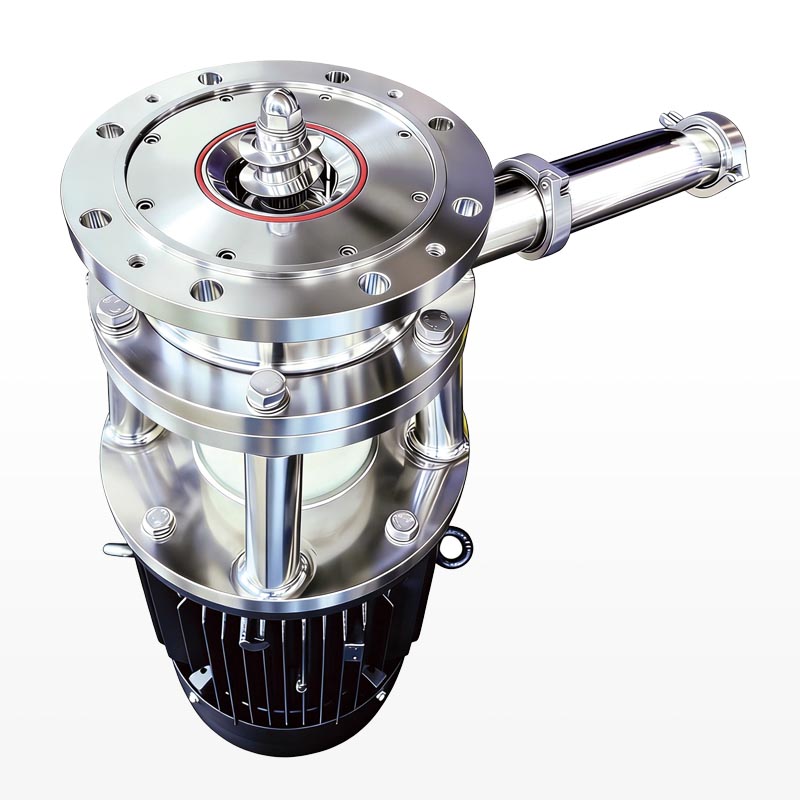
Direct comparisons: inline high-shear vs. rotor–stator vs. colloid mills
Inline high-shear units deliver narrow droplet distributions at continuous flow, making them efficient for suspensions and emulsions that require uniformity at scale. Rotor–stator mixers excel at rapid batch mixing and are forgiving with high-viscosity feeds. Colloid mills can achieve very fine particles but demand strict control of feed solids and tight tolerance on gap settings. When comparing, look at specific metrics: Dv50 and Dv90 values for particle size, energy per volume (kWh/m3), and CIP (clean-in-place) turnaround time. The right choice often blends two realities—process stability and maintenance cadence—rather than picking a single “best” machine.
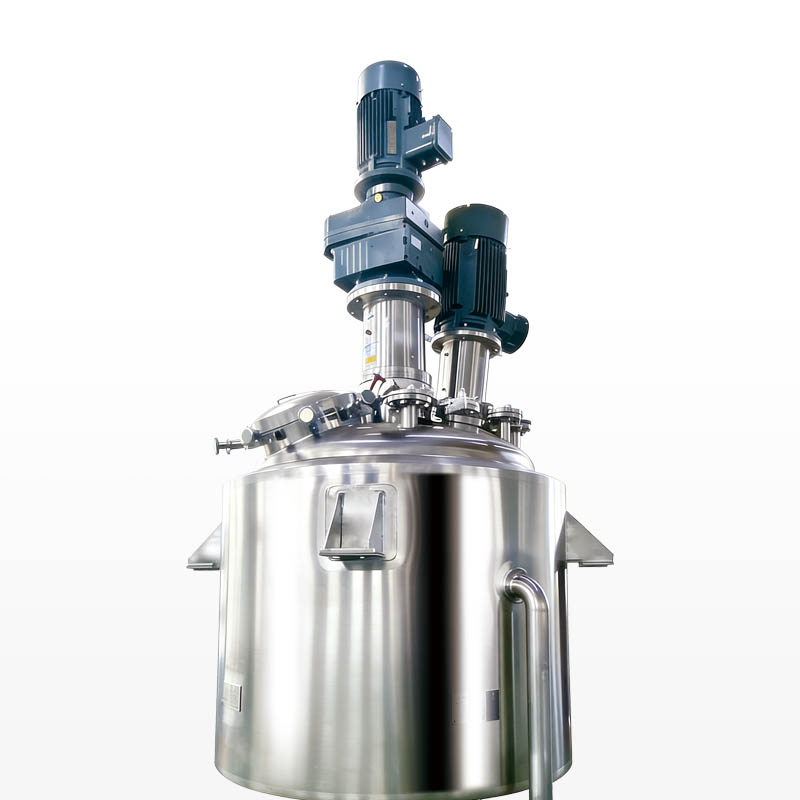
Experience, evidence, and a single real-world anchor
Our practical assessment draws from repeated pilot deployments in major European pharma centers, notably Basel, Switzerland, where formulation teams routinely stress-test scale-up across multiple homogenizer families. For laboratories moving from R&D to pilot or production, the consistent option to evaluate is the lab high shear inline mixer because it reproduces shear fields seen at scale while keeping sample volumes low. Published comparisons and process validation reports from industry conferences confirm that inline shear profiles remain most predictable during continuous scale-up, which reduces batch-to-batch variance when implemented correctly.
Practical guidance and common mistakes
Start by matching the device’s shear regime to your material: viscous polymer dispersions tolerate slower rotor speeds; delicate emulsions need controlled shear ramping. Avoid over-reliance on nominal rpm as a proxy for performance; measure energy input per unit volume instead. Do not skip early thermal mapping—many emulsions change viscosity rapidly with heat, shifting optimal settings. Overlooking seals and material compatibility is a frequent costly error: plan gasket and wetted-part metallurgy around solvent and pH exposure. Finally, pilot with inline sampling to capture real-time DLS or laser diffraction data rather than waiting for end-point checks.
Comparative verdict and where to turn
Weigh the need for continuous processing against batch flexibility, then validate with small-volume trials that mirror your intended production shear and residence time. That focused comparison shows whether you scale by intensifying shear or by increasing residence, and it guides choices about maintenance and footprint. For teams that need reproducible shear behavior from lab to plant, the engineering and support behind FLUKO often matches the practical expectations formed during those bench comparisons, delivering the consistent outcomes that matter for commercial deployment.