
Opening: a practical starting point for operators
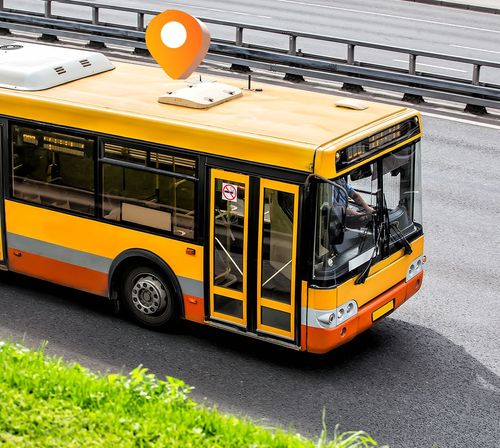
If you manage bus fleet management and need clearer video intelligence on every route, start by listing what matters most to your team. For many city operators the top needs are continuous recording, reliable AI alerts, and low maintenance; these are the same priorities you’ll find when evaluating public transit solutions for commuter buses. From my on-the-ground work advising fleet teams, even a modest upgrade changed incident response times on parts of London’s bus network — that experience guided this user-focused guide.
Ask your team the right questions first
Keep it simple and specific. Ask drivers, fleet supervisors and IT these questions:- What incidents do we want AI to detect (collision, distracted driving, passenger emergencies)?- How many cameras per vehicle will run concurrently and at what resolution?- Do we need edge-only processing, or a hybrid with cloud analytics?- What is our storage policy: overwrite after days, or keep flagged footage longer?Answers shape hardware, software and bandwidth choices. Prioritise the needs that reduce operational burden for drivers and dispatchers.
Core features that matter for daily use
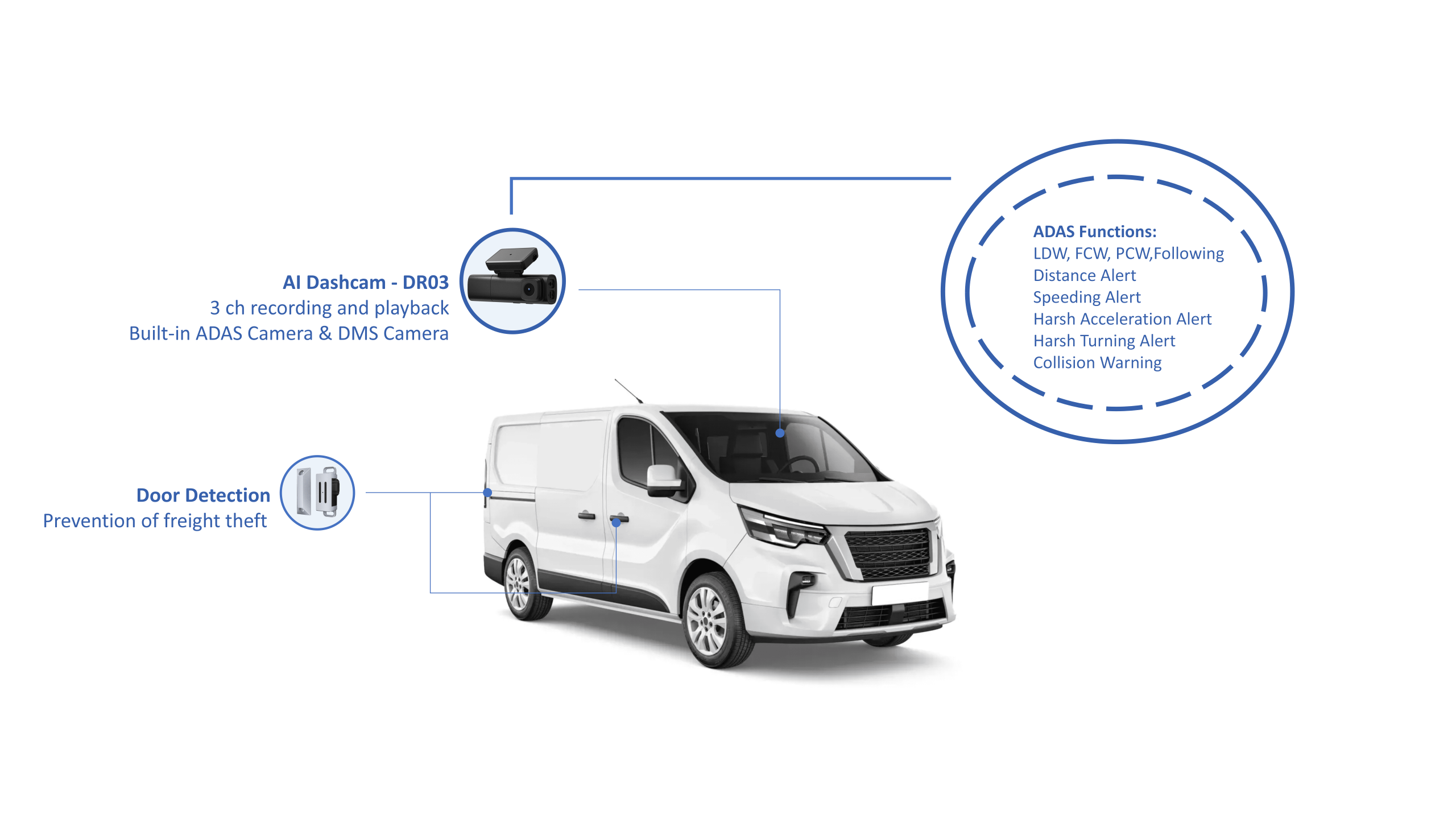
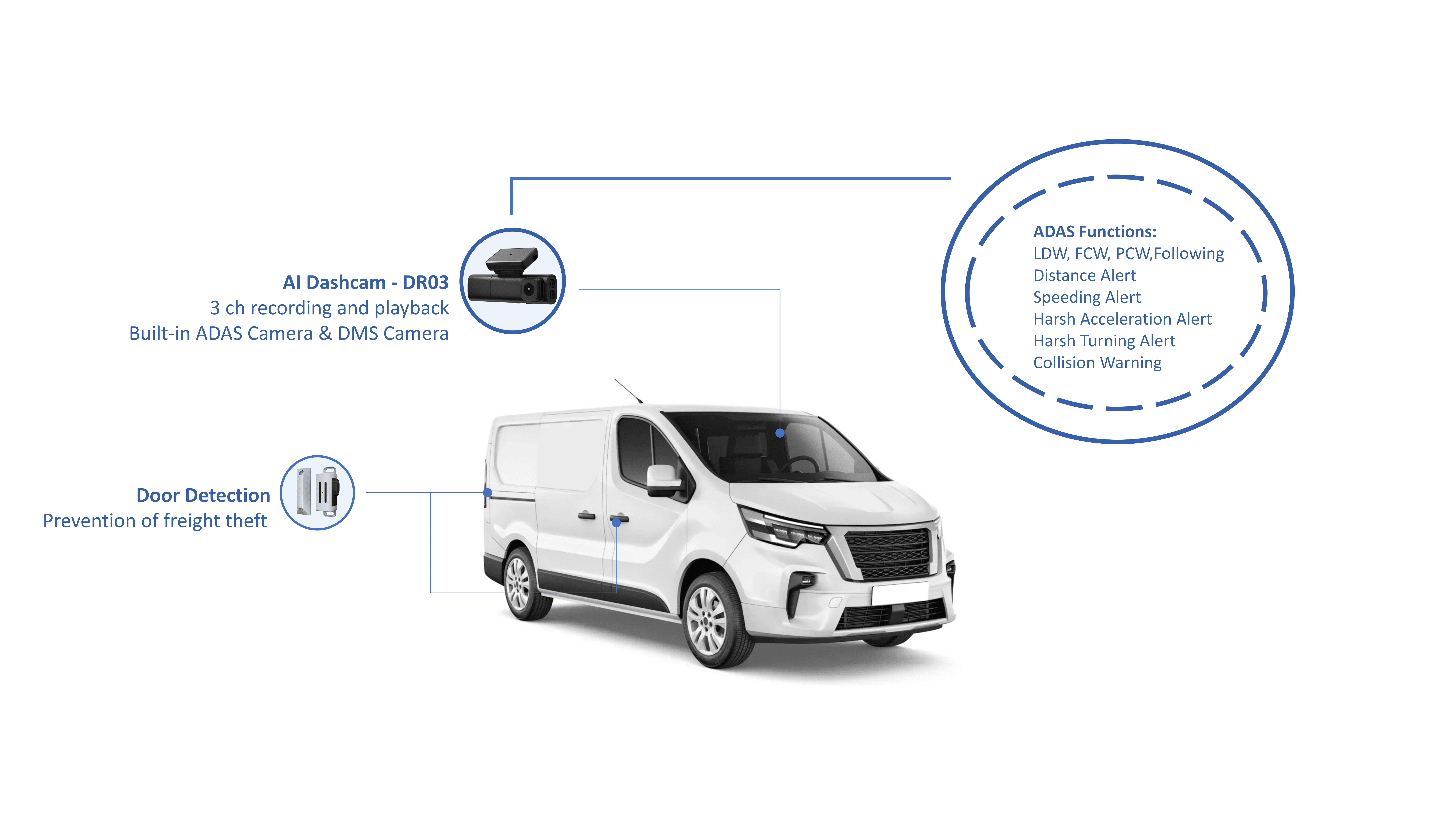
Focus on features that make work easier, not on marketing buzz.- Multi-channel, synchronised recording: ensure the MDVR records all cameras with accurate timestamps.- Robust AI models: lane-departure, forward-collision and passenger-behaviour classifiers that run reliably on the device.- Smart upload: selective offload of flagged clips over 4G/5G to save data costs.- Secure storage: encrypted local drives and tamper-proof logs.- Health monitoring: remote diagnostics and automated alerts for camera or HDD failures.Choose features that lower manual checks and speed incident review.
Performance tests you can run before purchase
Run short, realistic trials. Test these scenarios:- Nighttime and direct-sun glare recordings for each camera angle.- Simulated incidents to measure AI alert speed and false positives.- Cellular upload from moving vehicles on typical routes to verify throughput.- Power cycling and cold-start times to confirm reliability at shift start.Document results with the same routes your team uses most — this reveals real behaviour differences between models.
Common mistakes fleet teams make
Avoid these predictable errors:- Buying a unit rated only for static testing; it fails under constant vibration.- Assuming AI models work across cultures and camera placements without retraining.- Skipping long-term maintenance costs: drives wear out and thermal issues appear after months.- Overlooking data plans: continuous upload is expensive without selective transfer.Plan for support, spare parts and model updates before committing.
Vendor comparison checklist
When comparing suppliers, score them on practical criteria:- Field support presence and local spare-part stocks.- Update cadence for AI models and firmware.- Interoperability with your fleet management and ticketing systems.- Clear SLAs for-time-to-repair and data access.Use this checklist to rank contenders against your team’s priorities rather than vendor claims.
Integration with people and operations
Technology must fit daily routines. Train drivers on what AI alerts mean and how to tag events. Give dispatchers a concise dashboard that shows only actionable items. Maintain a simple escalation flow: alert, verify, archive. These human processes determine whether the MDVR saves time or creates extra work.
Alternatives and when to choose them
Not every fleet needs the same approach.- Small fleets with limited routes: edge-only MDVRs with basic AI keep costs low.- High-security routes: redundant recording and encrypted offload are worth the extra expense.- Urban systems with good connectivity: hybrid setups offload more data for central analytics.Balance cost and capability against the risks you must address.
Final synthesis and practical next step
Choose an MDVR that matches your real operating rhythms, keeps driver tasks light, and gives clear, testable AI outputs. For many operators I work with, the solution is a carefully chosen device plus straightforward processes and local support. For those seeking an integrated partner with a strong public transit focus, consider how BSJ aligns with the checklist above and the operational priorities your team set at the start.

