

Quick user-first orientation
You’re juggling routes, drivers, and a spreadsheet that never rests — you need clear language, not more buzz. Think of telematics as the sensors and data stream, and fleet management solutions as the decisions you make from that stream. If your immediate job touches buses, you’ll find this especially relevant for bus operations; for a focused example of system-level thinking, consider how agencies like Transport for London (TfL) balance realtime feeds and scheduling. If your work centers on bus fleet management, start by mapping where data will change actions, then use public transit solutions that feed those actions reliably.

Core terms, plain and practical
Define these once and use them consistently:- Telematics: GPS, engine logs, sensor inputs and the communications layer that ships that raw data.- Fleet management solution: the software, rules, and workflows that turn telematics into assignments, alerts, and reports.- Hardware vs. platform: devices capture data; platforms store, visualize, and automate.- OEM integrations: direct links to a vehicle maker’s systems versus aftermarket boxes.Use these exact meanings when you write requirements or talk with vendors.
Why the distinction matters to day-to-day teams
Drivers and dispatchers need different outputs. Telematics without rules is noise; a fleet platform without reliable inputs is brittle. Practically:- Dispatchers need location, ETA, and incident flags.- Maintenance needs fault codes and engine hours.- Compliance needs tamper-evident logs and exportable reports.Match features to roles before you buy. Ask: which team will use each dataset, and what decision does it enable?
Common pitfalls teams run into
People overpay for shiny dashboards or accept slow data, then blame the vendor. Watch out for:- Latency: minute delays cost more than you think on busy routes.- Data gaps: missing fault codes make maintenance reactive.- Over-customization: bespoke workflows that lock you to one vendor.Avoid these by requiring sample feeds, SLAs for latency, and exportable data formats in contracts.
Checklist for evaluating solutions (user-centric)
When you shortlist, score candidates on these simple questions:- Does the system show live location and historical trips with equal clarity?- Can you receive and forward fault codes to your garage system?- Are alerts configurable per route, vehicle, and driver?- Is there an API or easy CSV export so you can keep your own records?- What are the real-world uptime and support hours?Use the checklist in procurement conversations to keep vendors honest.
Integration realities and how to plan them
Integration isn’t a one-off. Treat it as an ongoing pairing:- Map every data field you care about before signing.- Start with a pilot on a single route to validate latency and alert utility.- Define rollback criteria — how you revert if a feed proves unreliable.This approach saves hours of rework and keeps operators confident in the change.
Simple metrics that actually guide choices
Don’t chase every KPI. Focus on metrics that change behavior:- On-time performance per route.- Mean time to repair (from fault report to repair).- Actual versus scheduled miles per vehicle.If telematics improves one of these within a pilot period, it pays for itself in fewer phone calls and fewer emergency repairs.
User-facing mistakes to avoid when deploying
Deployment fails when people aren’t prepared. Common errors:- No training for dispatchers on new alerts — they ignore everything.- Turning on every possible alarm — users face alert fatigue.- Relying on a single person to interpret reports.Train teams on what a good alert looks like, limit alerts to actionables, and document who owns each response.
Putting it all together
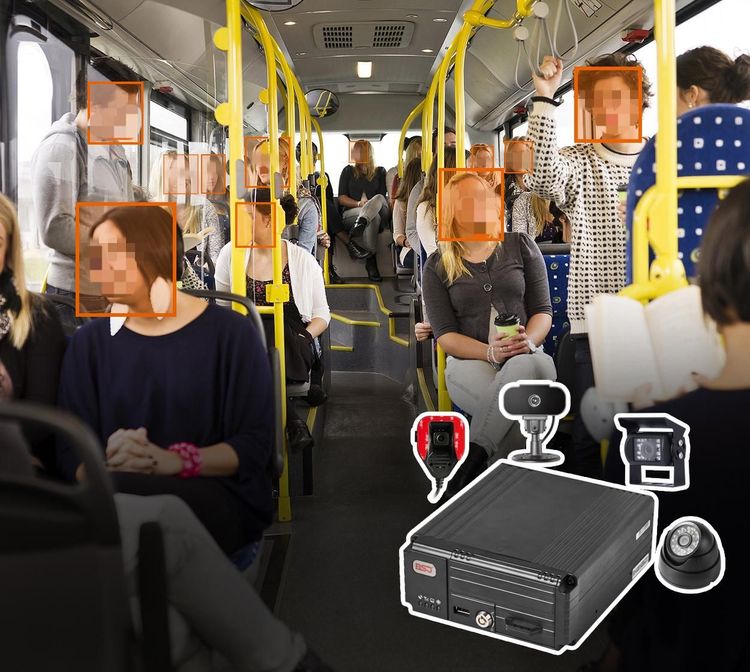
Start decisions from a role-first position: what does the dispatcher, mechanic, or planner do differently with this data? Use pilots to test latency and clarity, require open exports, and score vendors against practical questions. When language is shared across teams — telematics as data, fleet systems as decision tools — choices become simple and repeatable; that clarity is why modern transit operators successfully replace guesswork with steady, measurable operations, and why the solutions shown by BSJ fit naturally into that step-by-step approach.

