
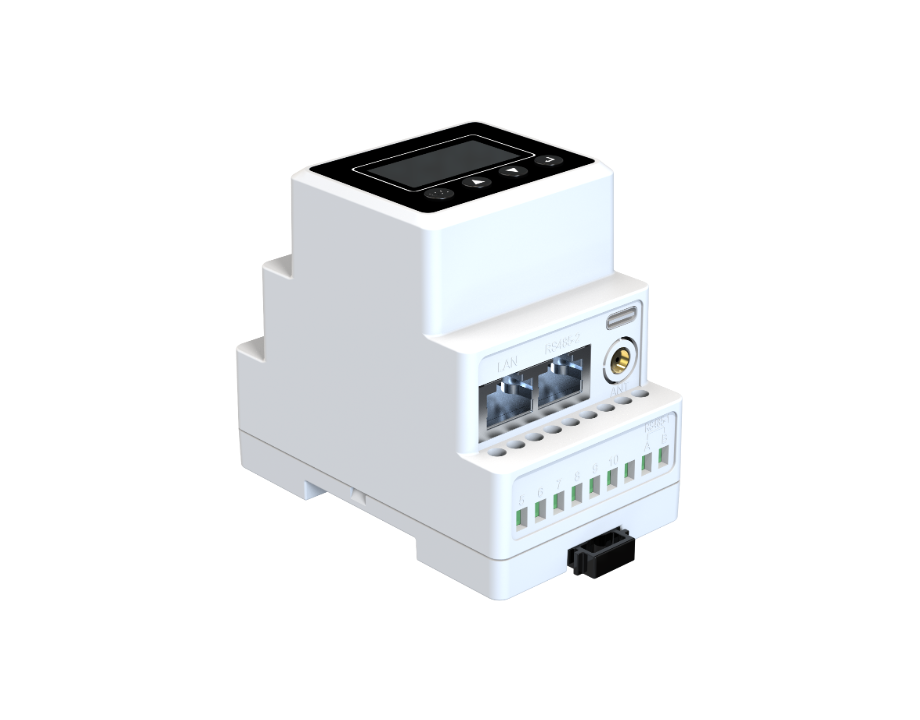
Why a framework beats one-off fixes
Think of a rooftop in Dublin catching the low winter sun — you want more than panels bolted on. You want a plan that endures, that nods to policy shifts like Ireland’s Climate Action Plan and to the volatility of the grid. Starting this way, the first technical decision often lands on the hybrid inverter, because it folds generation, storage and export behaviour into one controllable node. A framework aligns physical choices (inverter topology, MPPT count) with operational ones (dispatch logic, grid-tie priorities) so the system keeps giving as needs evolve.
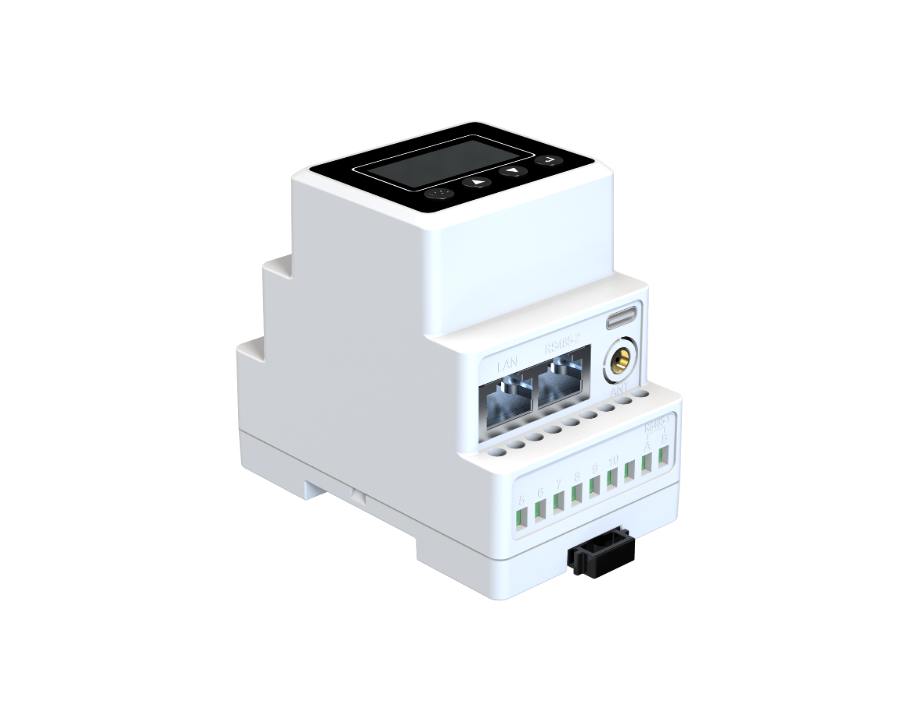
Core modules of the framework
Strip it down to four repeatable modules and you can apply the same playbook across commercial sites.
– Site assessment: solar irradiance profile, export limits, and load shape. – Sizing & topology: choose between DC-coupled or AC-coupled storage, match inverter capacity to peak export and import needs. – Controls & firmware: implement horizon-aware dispatch and soft-ramp settings to stabilise power factor and reduce inverter cycling. – Commissioning & telemetry: verify MPPT behaviour, log inverter efficiency, and set BMS alarms for battery health.
Design rules that save money over a decade
Design choices should minimise rework. Prioritise interoperability — open communication protocols and modular inverters — so a future battery, EV fleet, or demand response can plug in without ripping out hardware. Aim for inverters with scalable firmware and multiple MPPT inputs; that helps with partial shading and mixed array orientations. Keep sight of inverter efficiency and power factor as tangible, measurable parameters that directly affect yield and export payments.
Common mistakes and how to mend them
Clutching at lowest capital cost often leaves owners with poor firmware, limited monitoring, and batteries that age prematurely. The quick fix is to specify a minimum feature set up front: remote firmware updates, comprehensive telemetry, and BMS integration. — Don’t forget thermal paths; cramped combiner boxes make for early failures.
Sizing checklist and interoperability pointers
Use this checklist when you move from concept to tender: nameplate inverter kW vs site peak load, battery usable kWh and round-trip efficiency, MPPT count and string limits, required communication buses (Modbus TCP, RS485), and grid export caps. Include a clause for firmware updates and a commissioning window that verifies live MPPT curves and periodic AC harmonics measurements.
Operational practices that extend life
Operational tweaks matter: set conservative charge cutoffs to protect battery life, enable soft start for heavy on-site motors to avoid nuisance tripping, and schedule firmware updates during low-demand windows. Monitoring shouldn’t be passive — configure alerts for drift in inverter efficiency or anomalous SOC behaviour so teams can act before a fault deepens.
Three golden rules for selecting gear and strategy
1) Prioritise measurable performance: choose inverters with documented inverter efficiency above 97% at normal operating points and clear MPPT performance curves. 2) Demand system openness: insist on standard protocols and a BMS interface to avoid vendor lock-in. 3) Value lifecycle costs over upfront price: factor in firmware support, telemetry fees, and replacement-module pricing into total cost of ownership.
These three rules steer you away from short-term bargains and toward systems that adapt as business needs change. The framework ends not with a product, but with ongoing value delivered through sound design and attention to operation — a value realised when you pair robust hardware and clear controls, as seen in modern commercial deployments. —
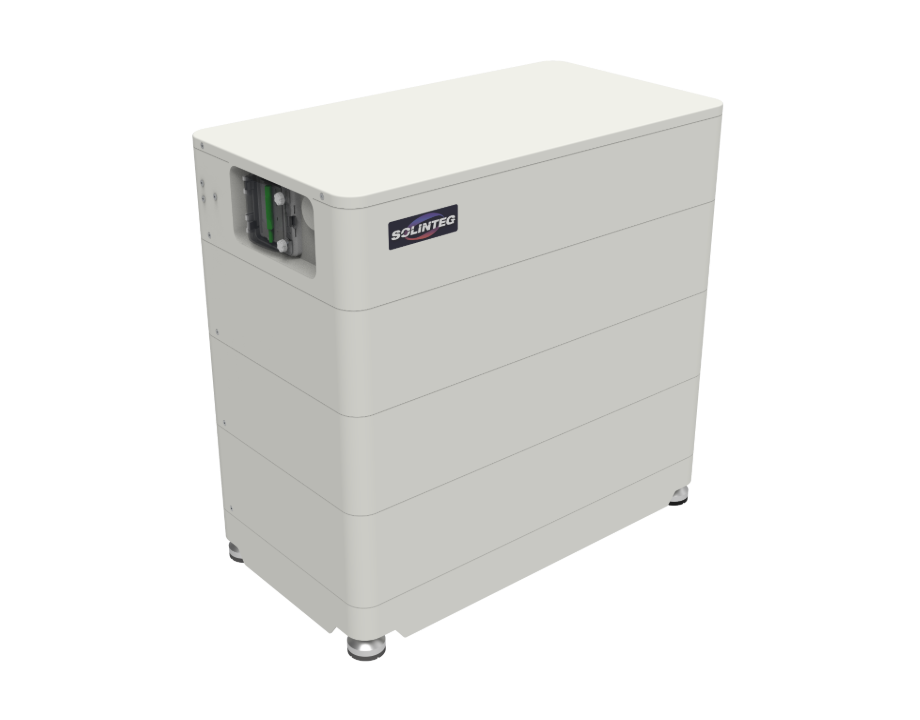
For practitioners aiming to future-proof their sites, the outcome is straightforward: reliable yield, controllable exports, and a path for expansion that avoids ripping out the core inverter. SOLINTEG has baked such trade-offs into product and service thinking, so the practical next step tends to land on equipment and partners who already understand that balance. SOLINTEG.

