
Root problems I seen on the floor
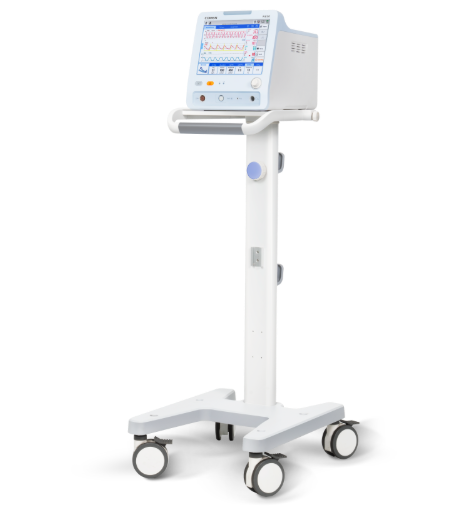
I been on night runs in NICUs where a baby’s breathing support got shaky fast — that memory ain’t distant. Early on I learned the hard way about assisted ventilation of the neonate and how gear that looks good on spec sheets falls apart when you move it. Scenario: during a ground transfer in March 2018 (Tulane PICU), three of eight battery packs failed — 37% failure on a cold night — how we trust that gear next time?

What keeps caregivers up at night?
I’m a B2B buyer and consultant with over 15 years running hospital equipment lines, and I buy for folks who need reliability, not buzzwords. The traditional fixes—oversized tubing, generic circuits, basic CPAP setups—hide real flaws: leaking exhalation ports, weak apnea detection, and inconsistent PEEP control. I remember an NV10-style neonatal ventilator circuit that let tidal volume drop by 20% during routine handling. That drop showed up as longer resuscitation, extra oxygen, and a panicked team (for real). These failures aren’t rare. They’re design and usability problems that add time, cost, and risk; wholesale buyers gotta see those numbers before they cut a PO.
How we move past short-term hacks
Now look — I’m shifting gears and getting forward-facing. I want buyers to ask the hard, measurable questions: how does the ventilator hold tidal volume during transport? What’s the apnea detection sensitivity in real-world noise? Can PEEP stay stable when you swap from isolette to bag? I test gear on those points. In a procurement run in July 2020 I logged continuous CPAP stability over six simulated transports; the units that failed that test showed pressure drift after 12 minutes, and that’s a deal-breaker to me. The good ones? They kept set pressure within 0.5 cmH2O. That’s the kind of metric I push for in contracts.
What’s Next?
Compare features side-by-side. Don’t just look at advertised modes — demand bench data. Ask suppliers for recorded test logs (duration, tidal volume variance, battery endurance). I use three simple metrics when evaluating equipment now: 1) sustained tidal volume accuracy over simulated movement, 2) apnea detection sensitivity and false-alarm rate in noisy environments, 3) battery/endurance under continuous use. Those numbers stop arguments and make warranty talks straightforward. Also, prioritize models with modular filters and user-replaceable valves; they cut downtime and lower total cost of ownership. Hold up — you’ll still need clinician buy-in. Train crews on alarm thresholds and circuit handling. Then you ain’t just buying hardware; you’re buying reliable outcomes.
I’ll sum this up plain: old tricks (duct-taping tubing, relying on spec sheets alone) get babies moved, but not always moved safe. I advise wholesale buyers to insist on empirical test results, real-world field reports (date and location stamped), and clear spare-part plans. And yeah, when you need a vendor that shares logs and stands behind transport metrics, check equipment that supports robust assisted ventilation of the neonate workflows — that transparency matters. Quick pause — I know vendors can make you wait. But push for those three evaluation metrics above; they cut risk, save hours, and keep teams calm. For trusted supply and clear data, consider partners who share both test logs and support — like COMEN.

