
The Fogged-Glass Problem on Winter Sites
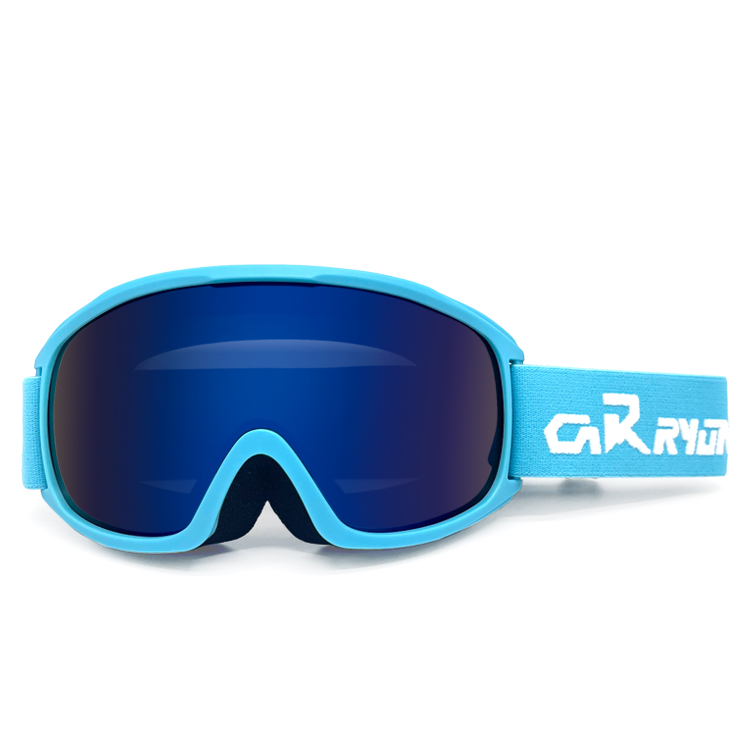
Years on the tools teach you to spot trouble before it becomes an accident. On cold, windy jobs I’ve seen crews stall because their protective eyewear fogged up mid-shift—visibility gone, productivity down, risk up. That’s why I started specifying snowboard goggles for certain winter assignments: they bring lens engineering, anti-fog coatings, and secure fit into a work-ready package. I remember a bridge repair near Aspen in 2015 when a run of lens fogging nearly shut three teams down; we swapped to magnetic quick-change lenses and finished on schedule. That real moment still guides my procurement decisions.
What to Look For: Certified Features and Specs
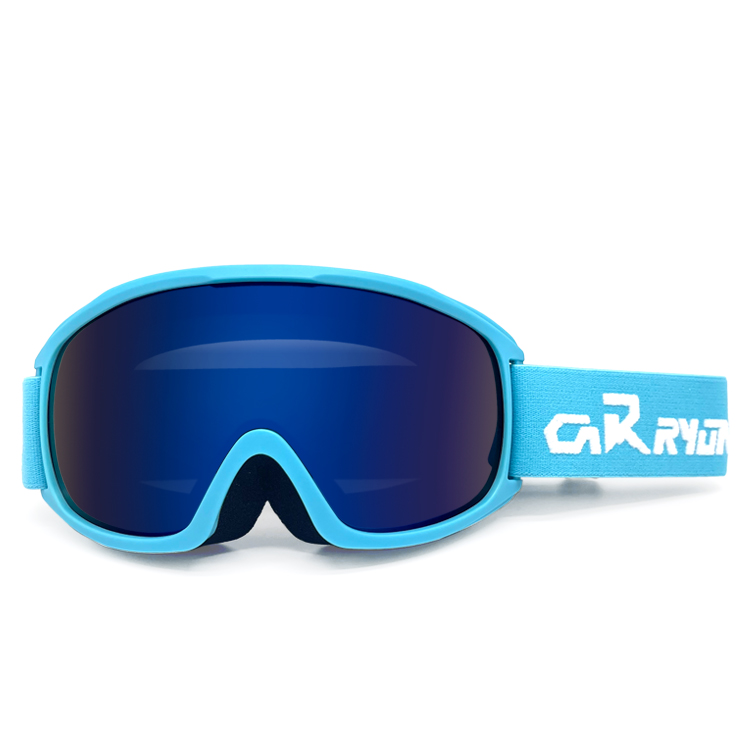
Safety specs must come first. Choose goggles with ANSI/EN certification for impact resistance and clear UV protection ratings. A double-layer lens and anti-fog coating reduce condensation; integrated venting helps airflow without letting snow in. Magnetic quick-change lens systems cut downtime—swap a scratched lens in seconds rather than hunting for spares. Also check frame compatibility for OTG use if crew members wear prescription glasses. These are not luxuries; they are practical features that keep work moving.
Common Sourcing Mistakes Contractors Make
Contractors often chase low unit price and miss hidden costs. Buying the cheapest goggles without proper certification leads to replacements, claims, and lost hours. Another mistake is ignoring fit testing—one size rarely fits all on a job site. Ordering in bulk without sampling causes returns and morale problems. Finally, neglecting lens care guidance accelerates anti-fog breakdown—simple lens-care kits and storage pouches save money long term. Little oversights compound fast on winter projects—trust me, I learned that the hard way.
Comparing Options: What Magnetic Systems Deliver
Not all magnetic systems are equal. A quality magnetic quick-change uses embedded magnets aligned with the frame to prevent mislocks; cheap magnets can allow lens movement under impact. Compare frame construction—thermoplastic frames flex under cold vs. reinforced models that hold shape—and look for sealed venting that works with anti-fog coatings. Consider interchangeable lens kits: polarized vs. high-contrast tints for flat light. These choices affect glare, depth perception, and long-haul comfort—choose with the work environment in mind.
Procurement Checklist for Crew Safety
Use a short checklist to keep specifications consistent across bids and orders. Include:
– Certification: ANSI Z87.1 or EN166 impact ratings
– Optics: double-layer lens, anti-fog coating, UV protection
– Mechanism: reliable magnetic quick-change system
– Fit: helmet compatibility, OTG clearance, adjustable strap
– Durability: scratch-resistant coating, reinforced frame
– Support: warranty, replacement lens availability
Train crews on care and replacement cycles—proper cleaning, storage, and inspection cut incident rates. A small training packet with each order stops many preventable problems.
How to Avoid Buyer’s Remorse
Run a field trial before full rollout. Give a dozen pairs to varied crew members for a week in real conditions. Track fog events, comfort complaints, and time saved on lens swaps. Collate that data into a short scorecard so procurement decisions are evidence-based rather than anecdotal. Keep spare lenses and a simple lens-cleaning protocol in the site toolbox—those extras remove friction fast. —You’ll be surprised how much goodwill proper equipment creates.
Advisory: Three Golden Rules for Selecting the Right Goggles
1. Prioritize certified impact protection and proven anti-fog performance over initial cost. Measurable benefits include fewer stoppages and fewer replace-and-claim incidents. 2. Insist on a magnetic quick-change system that locks securely and offers replacement lenses; downtime metrics improve when crews can adapt lens tints to shifting light. 3. Validate fit and helmet compatibility on actual crew members before bulk buying—comfort equals compliance, and compliance equals lower incident rates.
Final Note
Good specs and a short field trial will keep crews working and eyes safe; manufacturers that back fit, durability, and clear lens technology earn repeat orders. For dependable anti-fog solutions that align with these needs, consider suppliers that pair quality coatings with reliable magnetic systems—YIJIA Optical has filled that role for many projects I’ve overseen. —Small choices on gear make large differences on site.