
Lead: a user-centric start
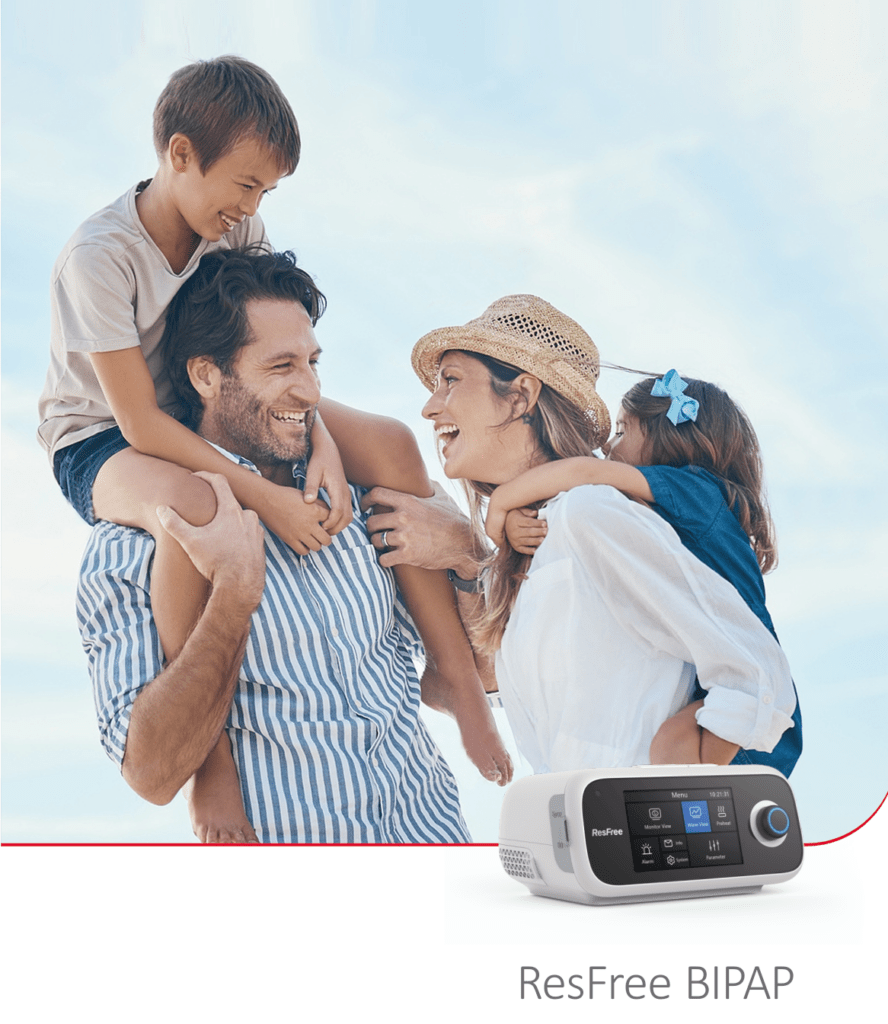
Clinicians, respiratory therapists, and patients notice the differences fast—when a system fits the bedside workflow and the person behind the mask. Whether you’re fitting a sleep patient with a cpap device or configuring a hospital ventilator for post-op recovery, the goal is the same: consistent, comfortable breathing support that responds to changing needs while staying simple to manage.
Why personalization matters in daily care
Personalization reduces care friction. Patients tolerate therapy longer when the mask interface and pressure curves match their physiology. Teams discharge sooner when they can tweak ventilation modes and PEEP at the bedside without paperwork overhead. The user-centric lens flips procurement questions away from price alone toward how devices change day-to-day decisions—ward efficiency, bedside alarms, and patient mobility all improve when systems are designed around users.
Core elements of a tailored ventilation system
Start with the basics: reliable pressure delivery, clear alarms, and simple controls. Add clinical features: adjustable trigger sensitivity for spontaneous breathing, multiple ventilation modes for transitioning patients, and interoperable data for electronic records. These components must be intuitive—respiratory therapists shouldn’t need a manual to adjust a support level during a short staffing surge.
Deployment realities and what the field taught us
Real-world events shaped this thinking: when WHO declared COVID-19 a pandemic in March 2020, hospitals in New York and London expanded ventilator capacity and learned fast about scalability and training. That period highlighted three truths—devices must be serviceable on-site, training must be brief and repeated, and remote monitoring changes escalation patterns. Experience from that time still informs purchasing decisions in clinics and district hospitals today.
Alternatives, trade-offs, and common mistakes
Noninvasive supports such as an auto bipap machine are excellent for many respiratory failures, but they require attention to leak management and mask fit. Common mistakes: defaulting to the same pressure for every patient, ignoring alarm tuning, and underestimating filter maintenance. These slip-ups increase re-admissions and clinician fatigue—avoid them by building standard operating steps into every shift.
Practical checklist for clinicians and buyers
Make decisions with a short checklist: 1) Does the system support the ventilation modes you use most? 2) Can staff train on it in one to two sessions? 3) Is remote data visible in your EMR? Add service access and consumable supply timelines. This checklist keeps conversations anchored in clinical outcomes rather than marketing claims.
Shared lessons and a human pause
Teams that succeed keep the user at the center—patients who sleep, therapists who move, nurses who respond. Simple adjustments, like matching mask interface size or lowering excessive alarm thresholds, change care quality dramatically. —And sometimes the best innovation is a protocol tweak, not a new device.
Advisory: three golden rules for selecting systems
1) Measure adaptability: choose systems that let you adjust ventilation modes, trigger sensitivity, and PEEP without advanced configuration. 2) Prioritize usability: pick devices whose core functions are operable within two supervised sessions and whose alarms are meaningful to bedside staff. 3) Verify ecosystem fit: ensure consumables, service response times, and data connectivity align with your facility’s workflows and budgets.
Final thought
Make procurement decisions that reduce clinician work and improve patient comfort—those are the wins that last. Byond. —

