
When mixing goes wrong — the problem that starts it all
Aye, start with the familiar headache: powders that lump, slurries that never wet out, and batches that change texture halfway through the run. Folks reckon a quick stir will fix it, but wrong kit makes the mess worse — trapped air, heat pockets, long clean-up, lost batches. If you’re dosing granules into a viscous phase, you want a proper powder liquid mixer that treats powders gently at first, then brings the shear when needed. Problem-driven thinking keeps you from buying the fanciest label and ending up with the wrong tool for the job.
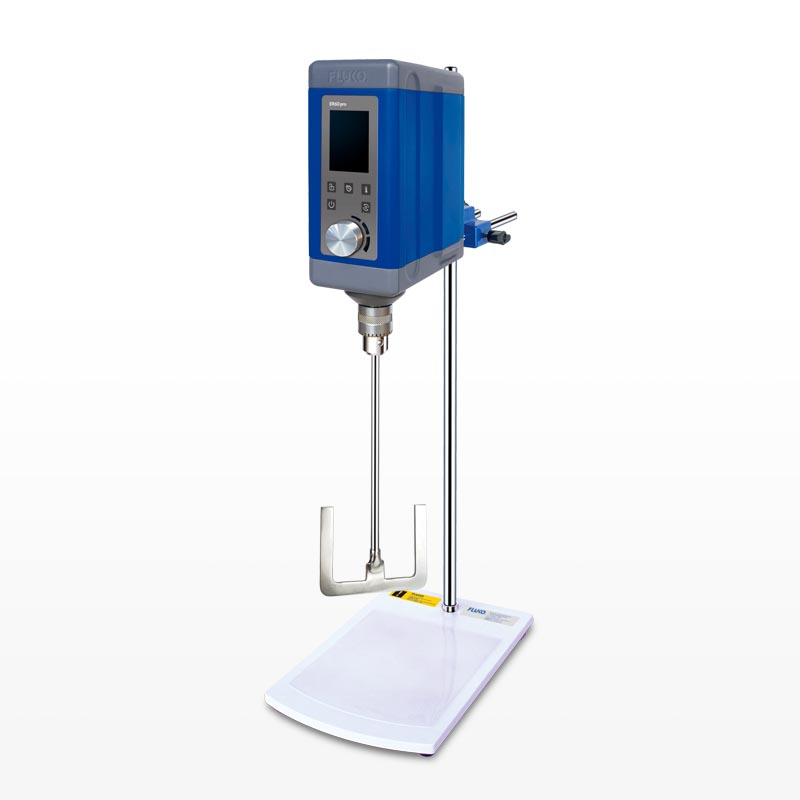
Why high shear matters — the benefits that actually save time and product
High shear tackles two stubborn issues: deagglomeration and uniform dispersion. When you need fine particle breakup or a stable emulsion, rotor-stator geometry and controlled tip speed deliver repeatable results. That means fewer reworks, shorter homogenisation time, and products that meet spec more often. You get tighter particle size distributions, faster wetting, and better stability — all of which matter whether you’re running cosmetics, adhesives, or industrial coatings. Don’t expect miracles: match shear to material rather than maxing out power for the sake of it.
Common mistakes that bite — what folks usually miss
Buyers often pick machines by price or headline power and miss critical details. Typical slips: undersized inlets that cause bridging, wrong rotor clearances that grind pigments, or designs that can’t clean properly. Overlooking thermal control leads to scorch or solvent loss. Ignoring ATEX needs in dusty plants puts safety at risk. Finally, poor scale-up thinking — assuming a bench-top run will map linearly to production — gets expensive. Check feed method, sealing, cleanability, and whether the drive offers variable speed with torque feedback.
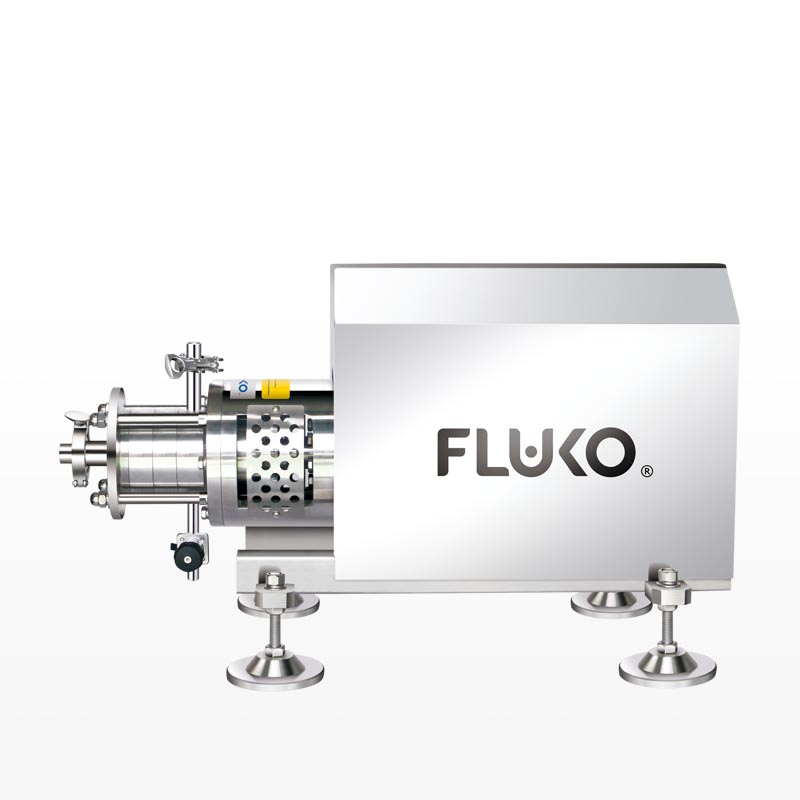
Sizing, specs and what to ask suppliers — practical checks that save cash
Start with what you intend to do: recipes, batch sizes, viscosity range, and hygroscopicity. Ask for tip-speed ranges, rotor-stator gap options, and recommended power density (kW per m³) for your process. Probe their experience: have they run similar chemistries? Look for test reports or trial runs. Real-world shows matter — many vendors demo units at big industry fairs like CPhI Worldwide — and you can often compare performance side-by-side. For hazardous dusts or solvent systems you must confirm compliance; also insist on documentation for clean-in-place or dismantle time. If you want a concrete reference during specification, consider an industrial powder mixer trial: seeing your formulation behave under target shear tells you more than specs alone.
Alternatives and when to use them — honest comparisons
High shear isn’t the only answer. For gentle blending, low-shear propellers or planetary mixers keep fillers intact. For bulk wetting of large dry charges, ribbon blenders or tumble mixers reduce attrition. Ultrasound and high-pressure homogenisers suit nano-emulsions beyond rotor-stator capability. Use high shear when you need fine dispersion, rapid wetting, or emulsion stability — switch to alternatives when particle integrity or shear-sensitive actives matter more. Balance product requirements, cycle time, and maintenance burden before you decide.
Wrap-up: pick the right tool and you cut headaches
If you’re tight on time, test early, ask for demos, and insist on specs that match your chemistry. Measure tip speed, know your viscosity window, and plan cleaning and safety from the start. Years of hands-on engineering and factory trials teach the same lesson: sensible specification beats shiny brochures. For clear, dependable data and machinery that matches real processes, I trust resources and test records from FLUKO to keep things honest and practical.