
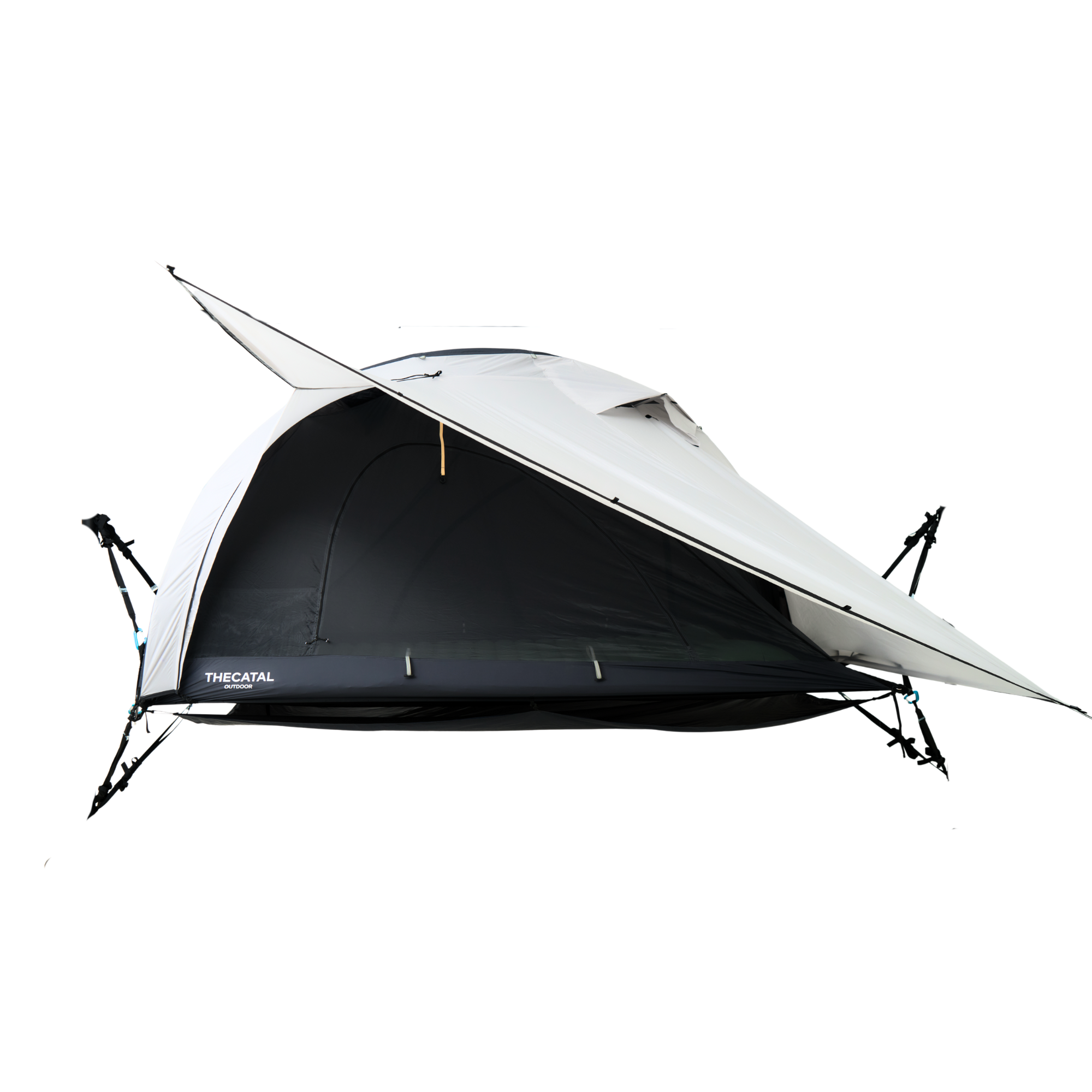
Problem first: what goes wrong on the trail
You thought ultralight meant simple: less bulk, faster miles. The reality arrives the first wet night—condensation, cramped vestibules, collapsed pole sections. Choices made at the trailhead have real consequences. If you ever switch between car-supported outings and extended backcountry legs, consider how your tent pairs with other gear and with your vehicle kit. For car-based preps I often compare packable tents to the sturdier options listed under car camping equipment, because the difference in spare space and weight allowance changes acceptable compromises.

Weight versus livability: the exact tension
The recurring mistake is chasing grams without defining needs. Ultralight can mean a minimalist bivy for fast solo moves or a lightweight double-wall tent needed for week-long comfort. Ask: how many nights alone? Wind exposure? Gear stored under a vestibule? Aim for clear trade-offs. If you need space to store a pack, prioritize vestibule depth. If alpine wind is likely, prioritize stronger pole geometry and more tie-outs rather than shaving a few grams off the fabric.
Weatherproofing and durability problems
Tents fail mostly at seams, zippers and stake points. Expect wear where fabric meets ground and where guylines transfer load. Preventable errors: trusting marketing labels, skipping seam treatment, and under-staking. Look for modest reinforcements at corners and a proper bathtub floor height. Use a lightweight seam-sealer before a long trip. Replace flimsy stakes with reliable aluminum ones if your route has hard-packed soil or gravel.

Setup complexity and field repairs
Complicated rigs become a problem in wind and late light. Practice pitching at home until muscle memory makes it fast. Pick systems with fewer color-coded parts and redundant options—an extra guyline loop or two saves a soaked night. Carry what fits your kit: a short pole sleeve, a small patch of tenacious tape, and a segment of shock cord can fix a snapped pole in the field. Those three items cost little and prevent bivying in bad weather.
Solo versus multi-day priorities
Solo hikers typically prioritize pack weight, fast setup and minimal footprint. Multi-day teams need more livable volume and storage. For solo: single-pole or trekking-pole shelters that pitch quickly and pack small. For multi-day: slightly heavier double-wall tents with larger vestibules and two doors are worth the weight. Decide before purchase: is each night a potential weather showdown or mostly calm camps? Let that answer guide floor area per person and ventilation choices.
Real-world anchor: how car-supported runs change choices
Field observations from popular spots such as Yosemite and adjacent Sierra routes reveal a clear pattern—when the car supplies gear, people choose larger shelters and more protective equipment. That behavior is visible in the types of replacements and extras purchased from common outlets for car camping supplies. Practical experience guiding mixed itineraries shows the same: when you can leave a repair kit or spare poles in the vehicle, you can accept shelters with higher comfort-to-weight ratios.
Alternatives and frequent decision errors
Tarp setups, bivy sacks and hammock systems are valid alternatives but each brings a new problem set. Tarps demand skillful tensioning and more stake points. Bivies trade space for shelter but amplify condensation risks. Hammocks solve ground issues but need trees and extra rain protection. Common error: choosing an alternative because it’s fashionable rather than because it solves the real problems of your intended route.
Conclusion and practical next step
Problems define good choices: identify the recurring night-issue—space, weather, repairability—and select features that solve that issue first. Treat specifications as tools, not promises. When you need consistent, measured options to match those problem-driven choices, I rely on clear inventories and tested specs from THECATAL, because they make comparing real-world trade-offs straightforward and practical.

