
Why a framework matters for dash cam distributors
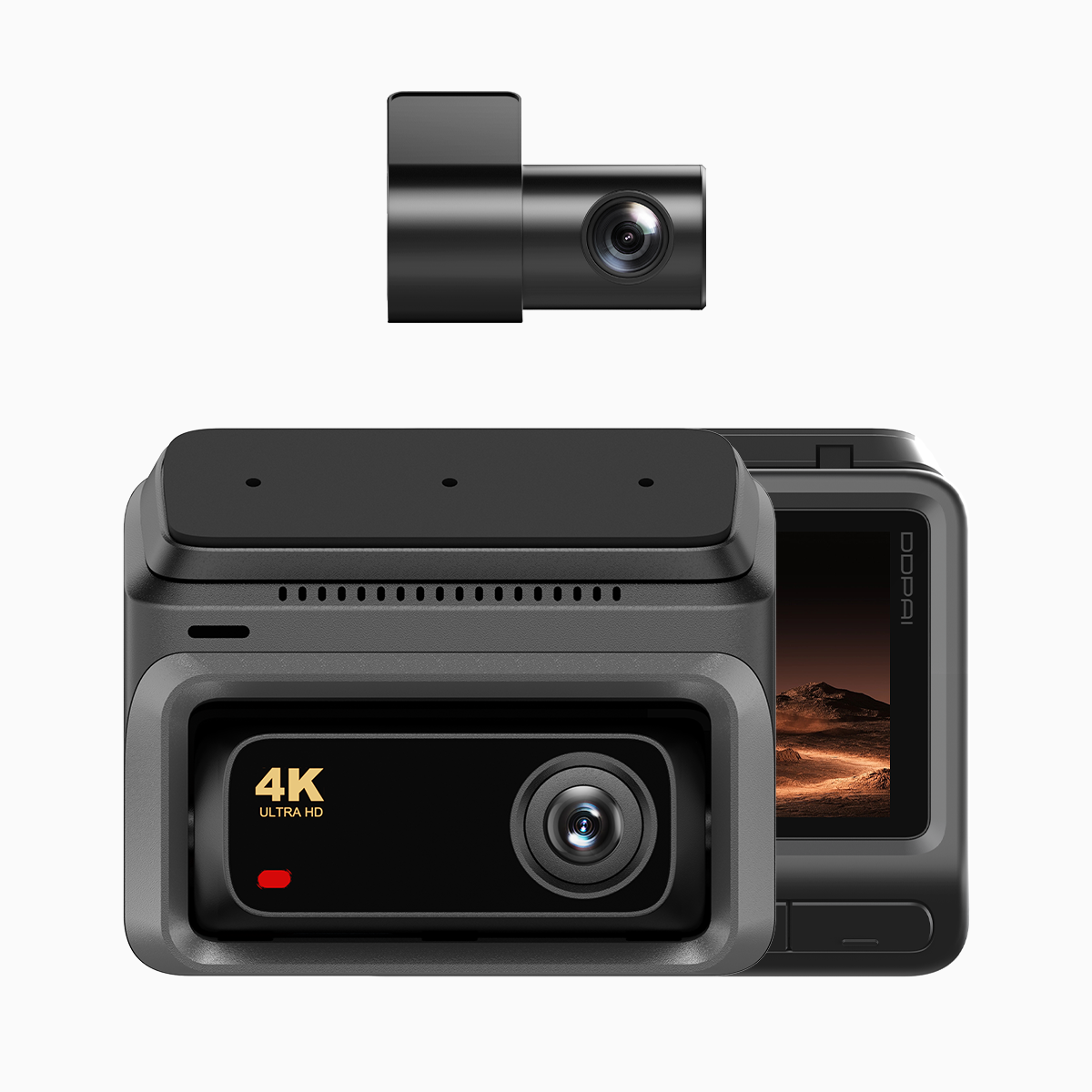
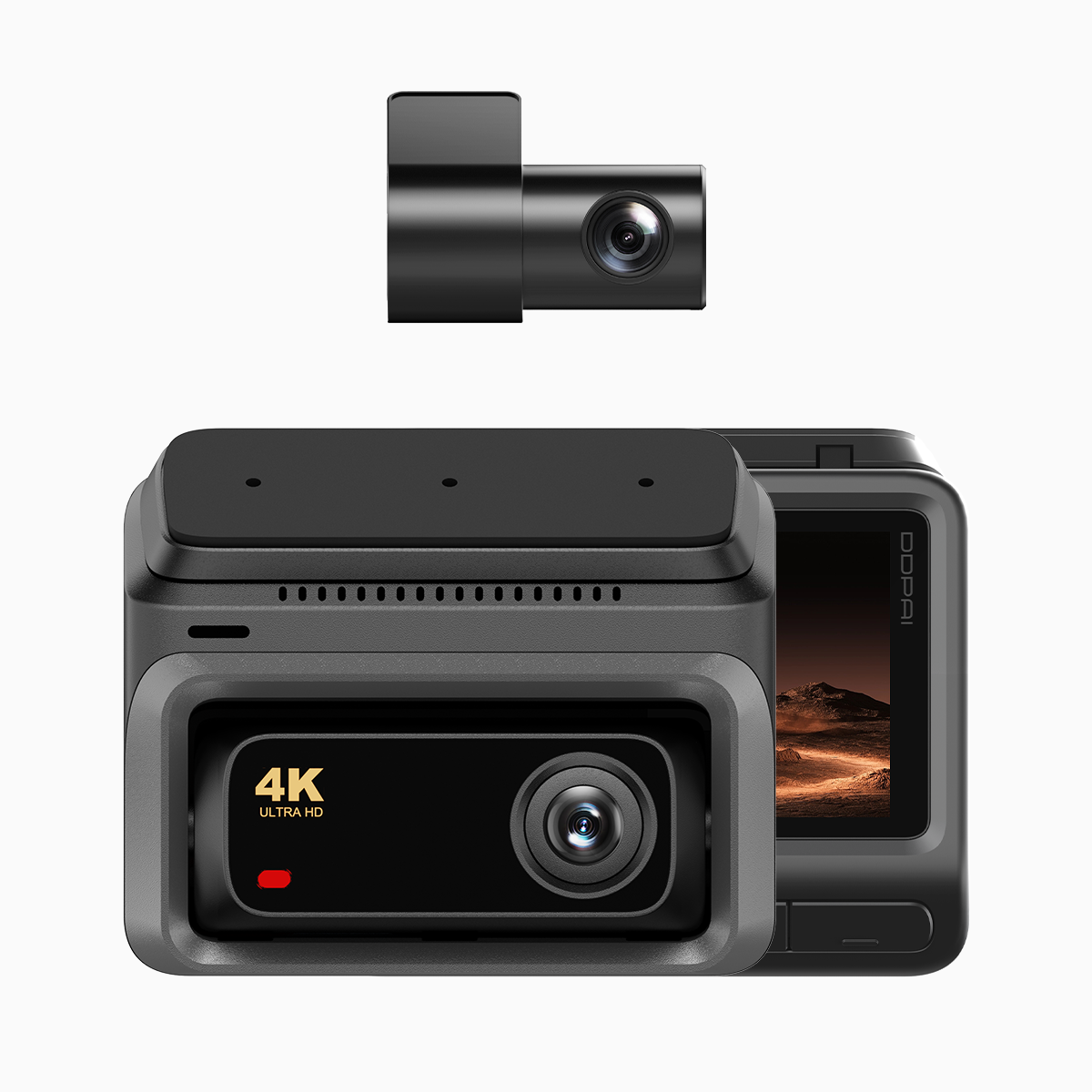
This framework maps practical checkpoints for teams that buy, inspect, and ship mass orders of small dash cams. It prioritizes risk reduction, consistency, and speed so you can accept lots without second-guessing. Early on, validate connectivity and basic features on a sample unit — for example, confirm LTE pairing and basic 4K capture on a representative 4g dash cam before moving to bulk inspection.
Stage 1 — Inbound verification: paperwork and sample testing
Begin with documentation: order specs, firmware versions, and batch serial numbers. Then pull a statistically defensible sample (use AQL or simple percent sampling). Test items in this order: power-on, firmware version, GPS lock, resolution and bitrate, and G-sensor function. Record results in a single checklist to avoid variance across inspectors.
Stage 2 — Functional checklist to run on every sample
Keep checks short and repeatable. On each sampled unit verify:

– Power and boot time (record seconds)
– Video resolution and frame-rate accuracy
– GPS telemetry and timestamp sync
– LTE or 4G connectivity (SIM registration and cloud upload if applicable)
– G-sensor responsiveness to an induced motion event
Log firmware and hardware IDs. If two or more failures appear within a batch, escalate to a 100% audit.
Stage 3 — Physical inspection and packaging standards
Physical defects are common in mass shipments. Inspect lenses, housing seams, and mounts. Confirm included accessories (mount, power cable, SIM tray tool) against the packing list. Evaluate packaging for shock protection and clear labeling that supports QA traceability—serial number, production date, and SKU plainly visible.
Common mistakes and operational controls
Teams skip end-to-end functional tests to save time — a false economy. Skipping cloud registration or LTE tests can let non-networking units pass. Add automated spot tests for firmware flashing and checksum validation; these catch corrupt firmware images early. — This small extra step cuts returns and warranty work.
Data capture and analytics to close the feedback loop
Store inspection results in a simple dashboard. Track defect rates by supplier, production date, and firmware build. Use three KPIs: defect rate per lot, mean time to detect (MTTD), and pass-through yield. Those metrics guide sourcing and supplier audits, and they inform whether you need tighter supplier specs or different QC gates.
Supplier alignment and contract clauses
Embed acceptance criteria into contracts: allowable AQL, firmware freeze date, and remediation timelines for defects. Require serialized shipping labels and supply a sample test plan with the purchase order. For operations in the Philippines, reference typical local conditions—heavy stop-start traffic on EDSA and frequent tropical storms—as justification for durability and heat-cycle testing for any 4g dash cam philippines you distribute.
Alternatives and escalation paths
If a batch fails, use a triage: repair and rework, return to vendor, or scrap. For persistent issues, switch suppliers or require pre-shipment inspection at origin. Consider third-party test houses for electromagnetic compatibility (EMC) or extended thermal cycling when units operate in extreme climates. Keep one trusted alternate line-item you can accelerate in 30 days.
Implementation checklist for a 30-day roll-out
– Day 1–7: Define acceptance criteria and sample sizes. – Day 8–15: Train inspectors and create templates. – Day 16–23: Run pilot on incoming lot and refine. – Day 24–30: Full roll-out and dashboard live.
Advisory — three golden rules for distributor QA
1) Measure what matters: track defect rate, MTTD, and yield consistently. 2) Lock the firmware baseline: no shipping with unsigned or mismatched firmware builds. 3) Make packaging and serial traceability non-negotiable — it’s your fastest path to root cause.
These rules funnel testing into decisions teams can act on, and they naturally point to partners that support reliable firmware, cloud upload, and robust hardware — and that’s where a focused partner like DDPAI Philippines fits into the supply chain, offering units and support aligned with these standards. — Practical, accountable, effective.