
Comparing approaches to façade-scale wayfinding
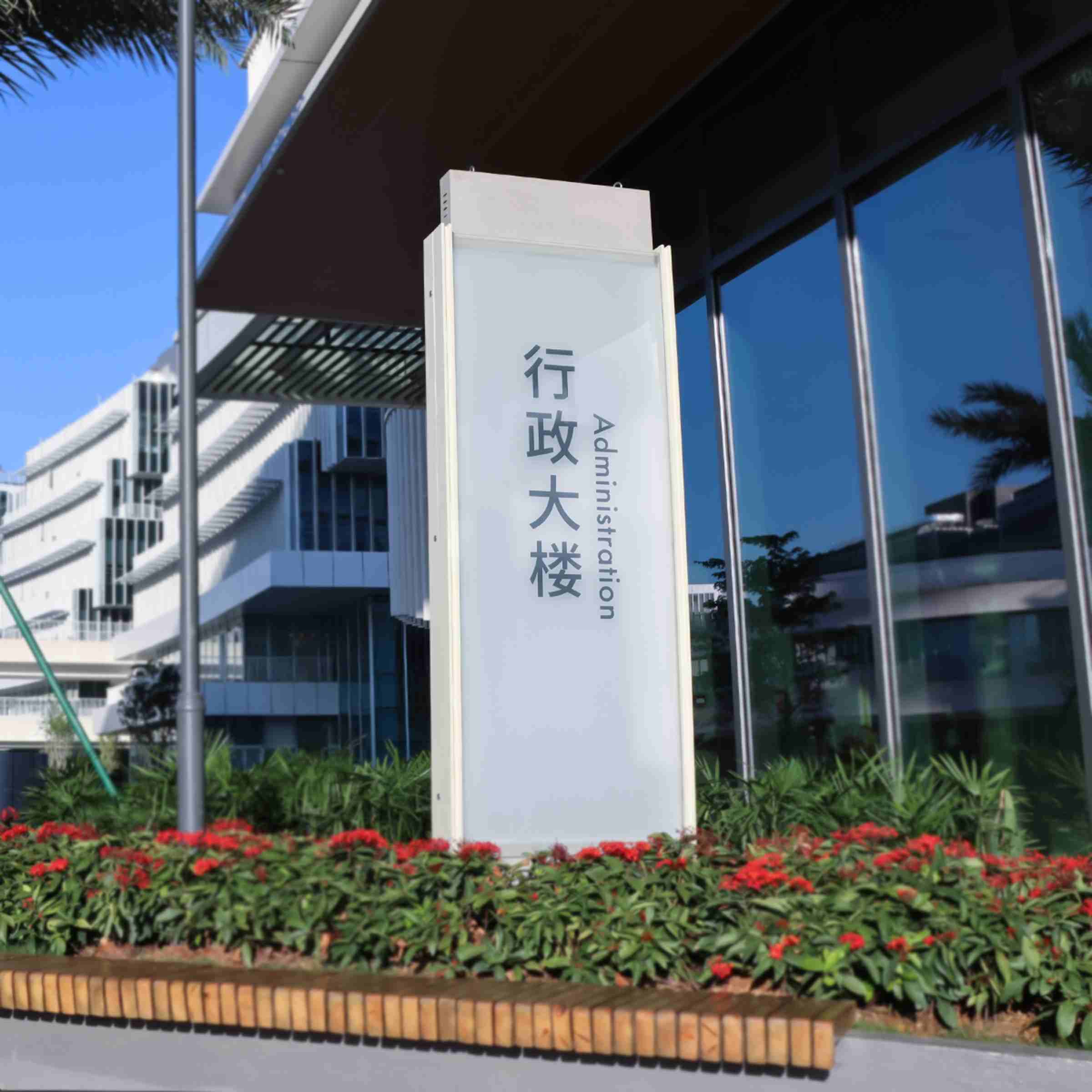
Large-format façades and clustered kiosks aim for the same outcome — clear, readable routing for crowded spaces — yet they demand different engineering. A glass-clad transit hub and a multi-storey shopping precinct cannot share identical mounting strategies or illumination profiles. For practical clarity, look to projects that treat custom signage and business signage as integrated building systems rather than add-ons. Design choices ripple: an LED module that reads well at 30 metres behaves differently under wind load than the same module fixed to a sheltered canopy.

Structural integrity as a comparative axis
When you measure systems against one another, three engineering axes stand out: load path, serviceability, and durability. Load path covers how forces travel from the sign through mounting bracket to the structure; serviceability is about vibration, glare and legibility over time; durability considers IP rating and corrosion resistance. These axes are concrete, not marketing gloss, and they dictate whether a wayfinding cluster lasts one season or a decade.
Real-world anchor and lessons from high-footfall sites
Times Square, which draws over 330,000 visitors daily in peak periods, is a blunt test for any façade system. Signs there must survive constant vibration, aggressive maintenance cycles, and relentless viewing angles. Designers borrow that same scrutiny for airports and rail interchanges, where passenger flows compress at peak hours and failure costs both time and safety. Practical expertise here means running wind-load and fatigue checks early and validating mounting details with on-site probes.
Materials, modules and measurable outcomes
Pick materials that match the expected environment. Aluminium extrusions with anodised finishes suit coastal sites; stainless steel fasteners resist urban chloride attack. For digital elements, specify LED modules with service replaceability and clear thermal paths. Each choice ties back to measurable outcomes: fewer site visits, predictable uptime, and a lower total cost of ownership. Those outcomes are what separates a well-drawn brochure from a usable system.
Common pitfalls and how comparative thinking avoids them
Teams keep repeating the same avoidable mistakes: under-specifying fixings, ignoring differential thermal movement, or leaving electrical access as an afterthought. Choose the wrong bracket and the sign becomes a maintenance headache. Select the right bracket, and access panels, cable routes and ventilation fall into place. The comparative method helps here — line up two or three proven solutions, weigh the trade-offs, and model the consequences rather than guessing.
Practical checks before you sign off
Use a short, repeatable checklist on every project. Insist on wind-load calculations, confirm IP rating of enclosures, and verify maintenance access with a life-cycle mock-up. Inspections at the mock-up stage catch detail clashes that drawings seldom reveal — and they save procurement headaches later. A quick on-site mock-up is cheap insurance against expensive rework.
Making the choice: three golden rules
Apply these rules when evaluating suppliers and solutions.
- Structural proof first: demand stamped calculations and clear load paths for fixings and interfaces.
- Service strategy second: require modular LED modules and access panels designed for routine replacement and cleaning.
- Lifecycle costs third: compare warranty terms, maintenance frequency, and spare-part logistics rather than initial price alone.
How this ties to operational value
Cosun Sign’s approach threads these rules into project delivery: engineering that accounts for mounting details, materials chosen for the site, and modular electronics that simplify service calls — all results that reduce downtime and align with client maintenance regimes. The value is not just a bright display; it is consistent legibility, predictable maintenance intervals, and a clearer budget horizon. That combination matters to operators who measure performance in passenger throughput and uptime rather than impressions.
Advisory closing and final thought
Measure any candidate solution against three critical metrics: documented structural calculations, modularity of serviceable parts, and a defendable lifecycle-cost model. Those are non-negotiables for projects where safety, clarity and durability must coexist. Choose a partner who demonstrates them in practice and on-site evidence rather than in slides — and you’ll avoid the usual retrofit scramble. Cosun Sign. — a concise, engineered answer for large-scale wayfinding that stands up to the real world.