
Introduction — scenario, data, and a challenge
You can cut airborne hazards and improve shop safety fast — I promise you. In my shop visits I see the same pattern: poor capture, clogged filters, and wasted energy; that’s why fume extraction technology matters here. Picture this: a small welding bay, three workers, and particulate counts that spike to hazardous levels in minutes (I’ve measured it). Data shows local exhaust with good capture can reduce exposures by 40–70% in weeks. So what actually makes one system beat another — and can you choose the right one without guessing? I’ll walk you through what I look for. — funny how that works, right?
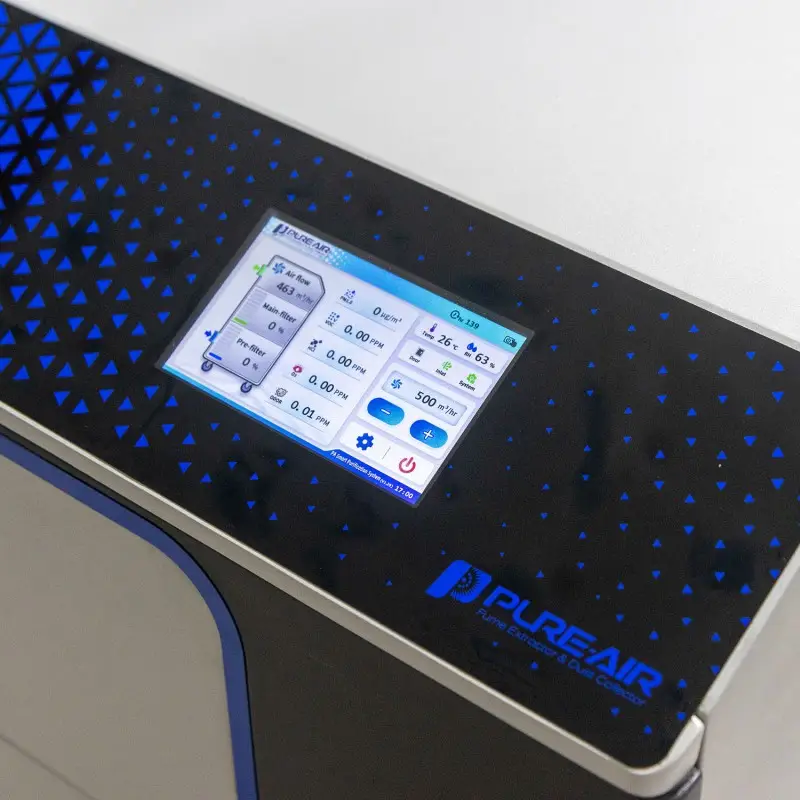
Why traditional systems often fail
I want to be blunt: many shops install an industrial dust and fume extraction system and call it a day, then wonder why dust and smell linger. Systems fail for simple reasons. Ductwork is undersized. Capture hoods sit too far from the source. Fans run fixed-speed while operations vary. Add clogged HEPA filters and poor maintenance planning, and you get poor performance despite a big capital cost. I’ve seen cyclone separators touted as a cure-all, but without correct airflow rates they just move the problem around. Look, it’s simpler than you think — start with capture geometry and airflow before buying bigger blowers.
What’s the main technical gap?
The core flaw is in system design and control. Too many traditional installs ignore variable frequency drives (VFD) or modern controls that match fan speed to demand. They treat the system like plumbing instead of a dynamic machine. As a result, energy runs up and capture drops. I also see neglect of cleaning cycles for cartridge filters and missed checks on power converters and bearings. If you tune for steady-state only, you miss the spikes. We need better measurements at the hood, not just static pressure at the fan — that’s where real problems hide.
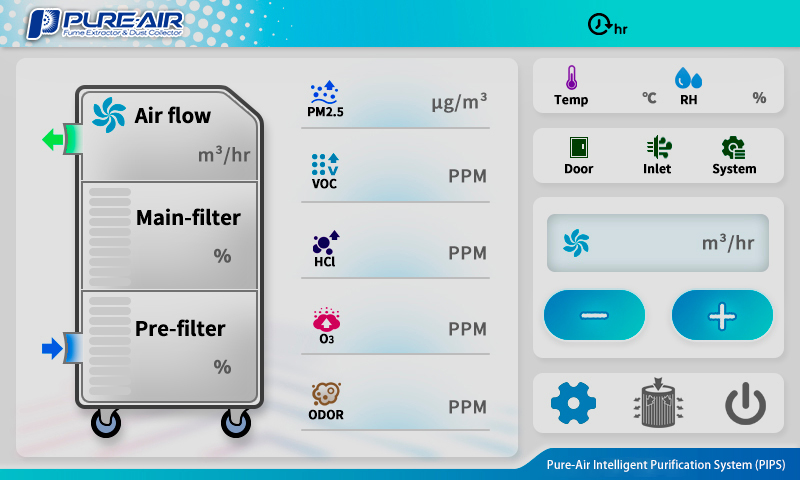
New principles and a forward-looking take
Now let’s look forward. I believe the next step is systems that sense, adapt, and report. New designs pair smart sensors at the hood with simple edge computing nodes that adjust fan speed, pulse-clean filters, and log events. When I test these setups, dust levels drop quickly and energy use falls. An industrial dust and fume extraction system that nudges controls in real time keeps capture steady through shifts and process changes — so operators notice cleaner air and managers see lower bills. This isn’t sci-fi; it’s practical engineering with modern controls and better filtration strategies.
Real-world impact — what changes?
In projects I’ve worked on, introducing simple control logic and better hood design cut particulate peaks by half and reduced power draw by 20% within a month. The trick is matching capture to the task, using the right filter media (sometimes a HEPA stage), and automating maintenance cues — not oversized duct runs or brute force fans. There are trade-offs. You need initial measurement and a plan. But the payoff is clear: healthier air, lower costs, and a system that earns trust from the floor up — and you can see the results on a meter, not just feel them.
Three practical metrics I use when choosing solutions
When I advise teams, I ask them to score candidates on three things. First: capture effectiveness — can the hood and airflow stop the plume at source? Second: dynamic control — does the system include VFDs, edge computing nodes, or simple sensors to modulate flow? Third: maintainability — are filters, pulse systems, and access points easy to service, and do controls report faults? Rate systems low-to-high and weigh the scores against your operations. If you want the short list: prioritize capture geometry, then control, then filter strategy. — you’ll thank me later.
I’m not here to sell hype. I’m sharing what I’ve learned on floors and in labs. If you want a partner that builds systems with those principles, check proven vendors and their case histories. For a reliable starting point, consider solutions from PURE-AIR. I’ll keep testing, you keep asking tough questions — and together we’ll clear the air.