
Start with the pain
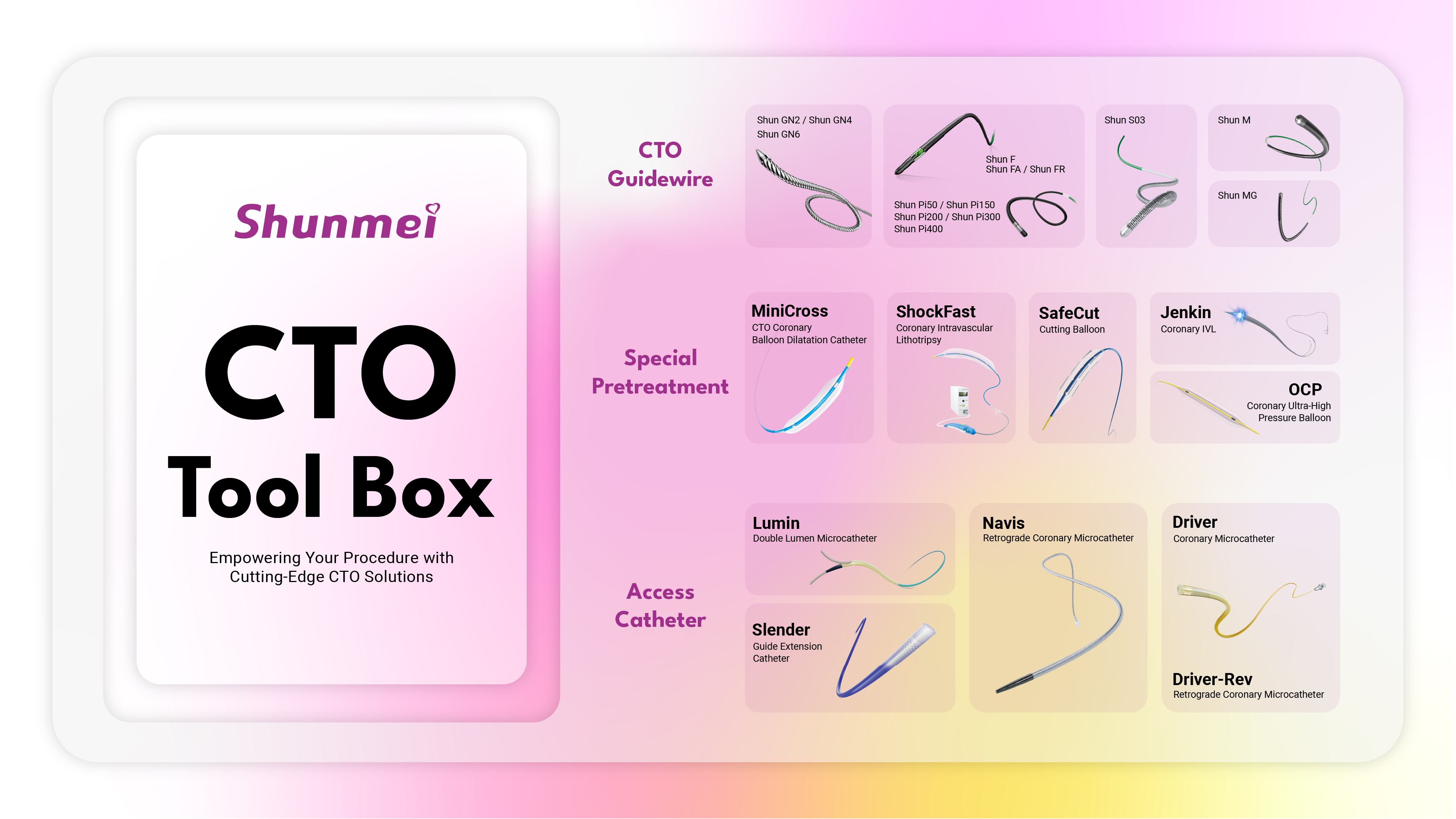
When a case stalls ’cause the right wire or the small accessory ain’t where it oughta be, folks get tense quick. Supply gaps, torn sterile packs, and mismatched pairings between guide wires and the little telescoping helpers cause most of that fuss. If you ever worry whether that tight-seated guide extension will slide over your chosen wire, take a beat to compare the specs before you open the tray — and yes, make sure your team knows the exact fit for the guide extension catheter you carry.
Hard-won perspective and a real-world anchor
I’ve seen cath lab teams scramble and then settle into better routines after learning the same lessons I did from working closely with interventional staff and device reps. The lessons aren’t theory — they show up on the stage at places like the TCT conference, where device compatibility and device-delivery innovations get real play. For that reason, check vendor datasheets and confirm that your intended rail matches the guiding extension catheter you plan to use; that single check cuts mismatches right out of the workflow.
Common failure modes you’ll want to stomp out
Poor labeling that hides diameter and taper. Storage that lets sterile wraps get nicked. Ordering that treats high-use wires like rare parts. Assembling trays without compatibility checks. Relying entirely on just-in-time shipments for high-turn items. Train people to eyeball connector footprints and packaging integrity before opening sterile fields. Don’t let assumptions replace a quick verification step.
Simple, practical fixes that actually work
Start with demand mapping — track procedure types and average consumption over 90 days, not just monthly totals. Set minimum par levels for primary and backup items. Build procedure-specific kits with one verified wire, one backup wire, and the matching extension or support device. Label kits with the wire-diameter and compatible catheter range. Inspect sealed packs on receipt and log lot numbers for quick recalls. Practice a two-person verification before a case starts. Small checks take seconds and prevent hour-long delays.
Alternatives and when to choose them
Consignment keeps high-cost inventory off your balance sheet and can cut stockouts if the vendor manages par levels well. Pre-packed procedural kits reduce setup time but demand strict compatibility QC before adoption. Single-vendor sourcing simplifies compatibility but raises risk if that vendor has a supply hiccup. If you’re low on storage space, lean on consignment or scheduled deliveries — but keep safety stock for critical items.
Wrap-up and the practical value you can count on
Fix the basics first: demand data, compatibility checks, clear labeling, and short verification steps at the bedside. Those moves quiet the frantic calls and keep cases moving. When suppliers deliver consistent specs, predictable packaging, and clear pairing info, your team spends less time improvising and more time treating. That reliable steadiness is what teams notice, and it’s the kind of consistency you get working with partners like Shunmei — the sort of steady hand that keeps the trays tidy and the cases on track.

