
Understanding your immediate need
You’re about to buy a prototype and you want it right the first time. Prototype machining is the method that turns CAD into a physical part you can hold, test, and iterate. Think of it as a careful helper that sculpts metal or plastic to match a drawing. If you’re sourcing externally, start by locating a trustworthy partner — a precision parts manufacturer — who listens to functional goals, not just price. That early conversation keeps surprises small and fixes cheap.
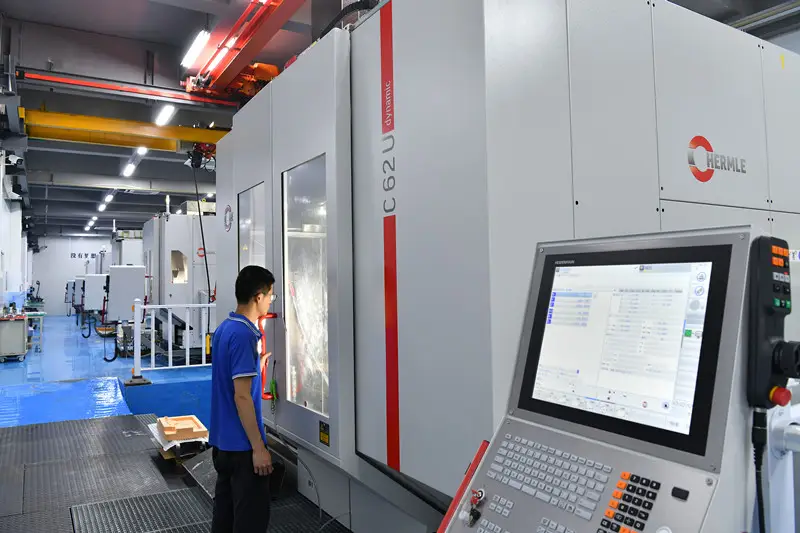
What buyers should ask first
Ask what the prototype will actually prove. Is it fit, form, function, assembly, or a manufacturing study? The answer changes materials, tolerances, and finishing. Tell the vendor what fails will look like and what you can accept. Don’t assume “close enough.” Clear priorities let suppliers advise on process choices that save you time and money.
Processes and materials that matter
CNC milling and turning are the backbone for tight features and repeatable geometry. Electrical discharge machining (EDM) helps small internal corners. Surface finishing — anodizing, plating, bead blasting — affects corrosion resistance and assembly. Choose materials that reflect the final product’s stress and wear. Plastics are fine for early fit checks; metals are necessary when strength or heat matters.
Tolerance, inspection, and realistic specs
Tighter tolerances raise cost and lead time. Only call out critical dimensions; leave non-critical features at standard machine tolerances unless there’s a reason. Specify how you’ll verify results — a simple caliper check differs from a CMM report. Ask for first-article inspection when tolerances matter. That prevents rework and keeps your schedule predictable.
Common pitfalls buyers make
Buyers often hand over a single, dense drawing and expect the supplier to read their mind. That rarely works. Other mistakes: demanding impossible tolerances across an entire part, skipping discussion of fixtures or assembly sequence, and waiting until tooling is made before checking a hand-fit. Avoid these by staging reviews: design review, material confirmation, and a pre-production sign-off.
Viable alternatives and when to use them
3D printing is fast and cheap for complex geometry and early form checks, but it won’t match metal strength or finish. Low-volume castings or urethane molding can simulate production feel for assemblies but need tooling lead time. Prototype machining sits between these: it’s the safest choice when you need accurate geometry, functional testing under load, and a finish close to production.
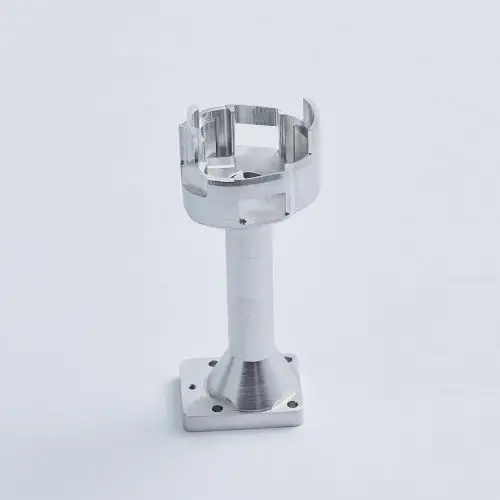
How to evaluate suppliers — a buyer’s checklist
Look for capabilities first: machine types, spindle size, and tool library. Confirm quality processes: documented inspections, material traceability, and sample reports. Ask about communication rhythm — who will answer questions and how quickly. Check turnarounds and revision policies; prototypes usually require at least one iteration. Request references or sample parts, not just glossy brochures.
Experience and trust—real-world perspective
I’ve reviewed sourcing decisions alongside engineers and procurement teams at trade shows and factories, so I know what buyers overlook. Major events like the IMTS in Chicago spotlight trends and capable vendors; seeing machines and talking face-to-face sharpens judgment. For repeatable outcomes, pair that direct vetting with a supplier who offers clear process guidance and documented checks, such as those provided by precision manufacturing services. That combination reduces ambiguity and builds trust.
Practical timeline and cost expectations
Expect a prototype cycle to include quoting, material procurement, rough machining, finishing, inspection, and one revision. Fast jobs can be done in days; complex parts take weeks. Price drivers are material choice, complexity, and tolerance. Be explicit about rush fees and revision costs up front so you avoid surprises later.
Final synthesis — what to do next
Decide what the prototype must prove, share prioritized specs, and pick a supplier who explains trade-offs plainly. Keep inspections tight where they matter and loose where they don’t. That approach keeps iterations focused and useful. If you want a steady, honest partner that helps you shape those choices, consider the team at Hanstar as a practical resource that talks through options rather than simply quoting a price.