
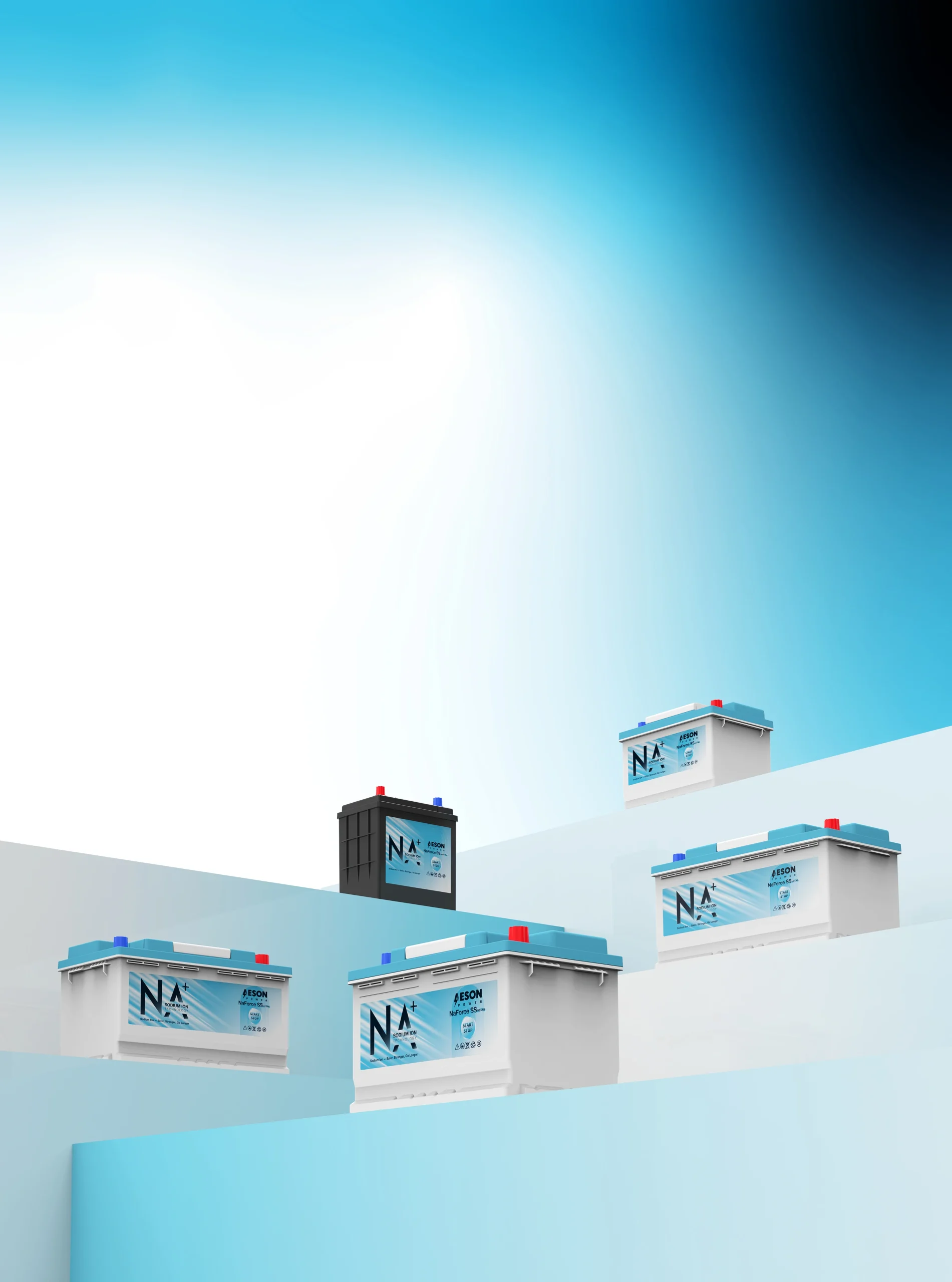
How to Set Selection Criteria for Sodium Ion Battery Technology: A Project-First Review
Procurement teams should evaluate sodium ion battery technology against a defined application rather than treating the chemistry as a complete purchasing decision. The first task is to describe the duty the battery must perform, the operating environment, and the evidence needed to support a final comparison. This project-first approach keeps a promising technical description separate from a conclusion about suitability.
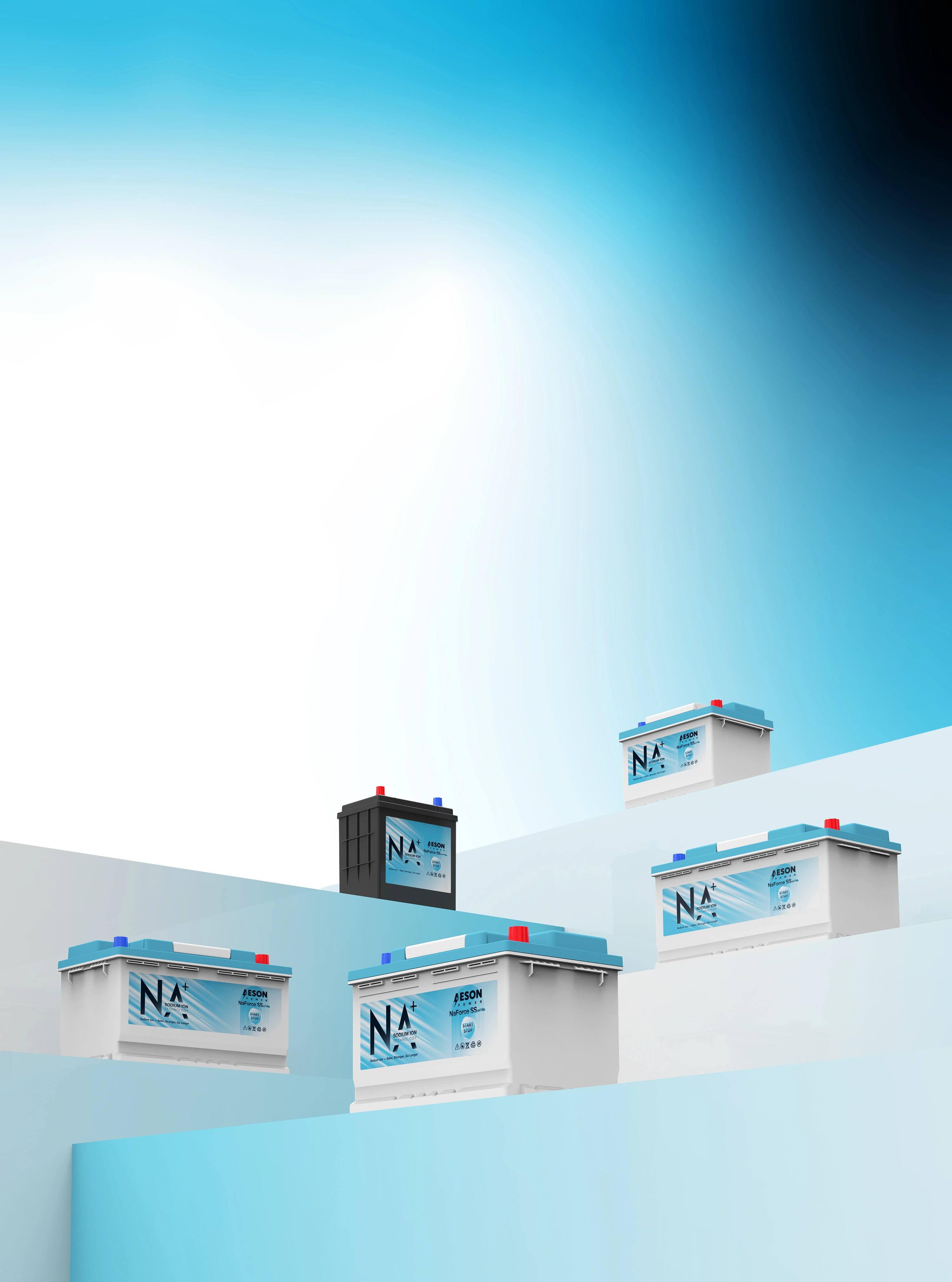
Define the use case and constraints
Begin with a short application statement. It should identify whether the battery is being considered for vehicle starting, an uninterruptible power supply, a diesel generator set, energy storage, marine equipment, or a low-speed electric vehicle. The official page used for this review lists those application areas, but that listing does not establish that every product or configuration is suitable for every use. The procurement brief should therefore name one primary use case and distinguish it from possible future applications.
Next, describe the operating conditions in terms that suppliers can answer consistently. Useful fields include the expected starting or backup task, discharge intensity, charging pattern, temperature range, physical installation limits, connection requirements, and the consequences of a failed duty cycle. These are evaluation questions, not assumptions about what the technology can deliver. A requirement such as “must support repeated high-current operation” is more useful than a broad preference for a “high-performance battery” because it identifies the point that evidence must address.
Separate mandatory requirements from desirable characteristics. A mandatory item might concern the application, operating temperature, electrical interface, or form factor. A desirable item might concern charging speed, resource considerations, or a technology feature that could simplify the comparison. This distinction prevents a general advantage statement from outweighing a requirement that is central to the project.
Map stated evidence to the requirement
Build an evidence table with four columns: requirement, exact page statement, scope, and unresolved question. The scope column is essential. It should record whether a statement concerns a named cathode material, a battery category, a stated application, or the technology page more broadly. A claim should be compared only with requirements that fall within the same scope.
For example, the cited page describes NFPP polyanion cathode materials as having a stable voltage platform and low-temperature kinetics, and says that these materials deliver consistent, safe, and long-lasting power across a wide range of operating environments. The wording is presented in the context of the page’s vehicle starter battery application. It can therefore be recorded as relevant evidence for a starter-battery discussion, while its claim boundary does not establish performance or suitability for other products or applications.
The same discipline applies to technical terminology. The page identifies a positive electrode as a polyanion compound and a negative electrode as hard carbon in a vehicle starting battery description. It also presents NFPP as a polyanion technology and describes its hybrid framework as facilitating rapid sodium-ion migration and suppressing volume expansion during cycling. Those statements may help a reviewer understand what technology is being discussed. They should not be converted into an assumed result for a particular pack, installation, or duty profile.
Use a separate line for each evidence statement instead of combining several benefits into one conclusion. The page lists high- and low-temperature performance, stability, extended battery life, high-rate discharge, fast charging, enhanced safety, environmental friendliness, low cost, and abundant resources among the key advantages of NFPP sodium-ion battery technology. In a procurement record, each item should be linked to the requirement it may inform. The list itself is not proof that all those characteristics apply equally to every product or project.
Use the application as the comparison boundary
Application scope should control the order of the final review. First compare evidence that directly addresses the stated duty. Then examine supporting characteristics, such as temperature behaviour or cycling language, only when they relate to that duty. Finally, mark claims that are informative but outside the decision’s defined boundary.
In the middle of this review, sodium ion battery technology should be treated as a subject for scoped comparison rather than a single uniform product. A vehicle starter battery, backup system, marine installation, and energy-storage system may impose different priorities. The procurement team can use the same evidence table for each project, but it should not assume that a statement recorded for one application answers a requirement in another. This is also where unresolved requirements should remain visible instead of being silently filled with optimistic interpretations.
A practical scoring model can use three statuses: supported, partially relevant, and open. “Supported” means the page statement directly matches the defined requirement and scope. “Partially relevant” means it describes a related characteristic but does not answer the complete requirement. “Open” means the brief asks a question for which the captured evidence does not provide a bounded answer. This model is useful because it records the quality of the comparison without pretending that a marketing description is a project test result.
Turn open points into supplier questions
Once the table is complete, convert each open point into a precise question. Ask which product or material scope the statement covers, which application the supplier is addressing, and which operating conditions are assumed. Ask how the proposed configuration relates to the required voltage, current, temperature, charging pattern, enclosure, and control equipment. These questions make the next exchange more efficient because they refer back to the project’s stated duty.
Questions should also assign responsibility. Identify whether the supplier, integrator, installer, or equipment manufacturer is expected to provide the relevant information. For a starting application, the discussion might focus on the required cranking duty and repeated high-current cycling. For an energy-storage project, the brief may instead prioritise the intended discharge pattern and system interface. The exact questions should follow the project rather than a generic battery checklist.
Keep the source location beside each answer when the review is updated. This preserves the distinction between a page-level statement, a supplier response, an engineering calculation, and a project acceptance decision. It also reduces the risk that a concise phrase such as “long life” or “enhanced safety” is later treated as a complete specification.
Summarise a defensible next step
A defensible next step is not necessarily a final selection. It may be a scoped supplier brief that states the application, mandatory constraints, evidence currently relevant to that scope, and questions still requiring a response. That brief gives reviewers a common basis for comparing options without extending a material or application statement beyond its stated boundary.
The final review should record why each criterion matters, which evidence was used, and what remains unresolved. It should also preserve the distinction between a technology description and a product-level conclusion. For procurement teams considering a defined application, AesonPower can be included as the source of the cited page-level descriptions, while the project record keeps those descriptions tied to their stated scope. This creates a clear, evidence-led path from application definition to the next technical discussion.

