
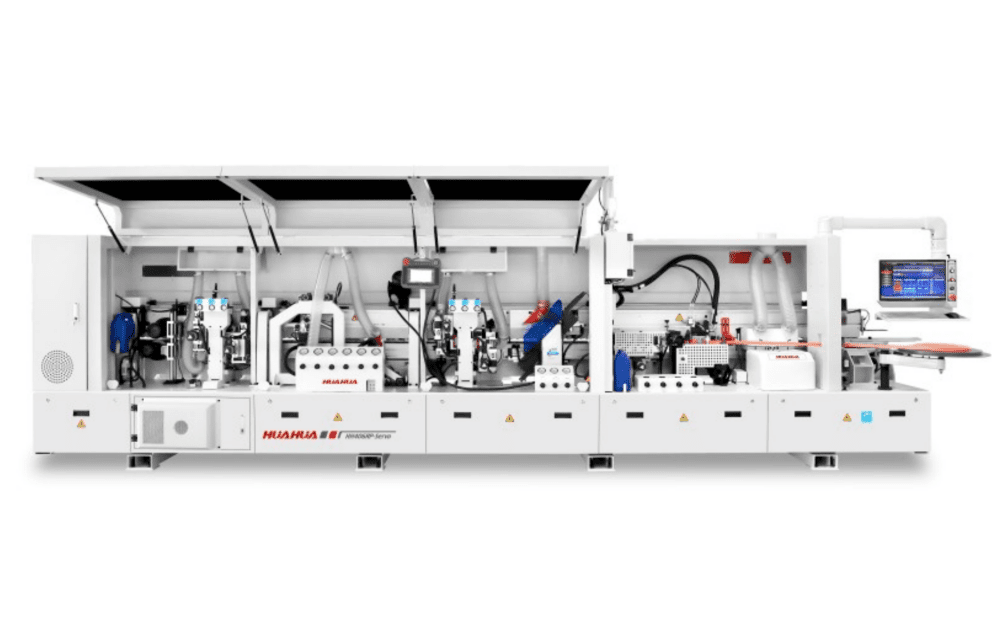
Understanding the real problem
Regional workshops often buy a multifunction machine hoping it will solve space, cost and capability limits, but integration problems halt production instead. A workshop may have a fine cnc woodworking machine on paper and still face daily stoppages because layout, power delivery, software fit and dust management were not resolved together. I speak from years advising small factories and municipal workshops; the issue is rarely a single fault, it is the mismatch between machine requirements and the facility’s operational practices.
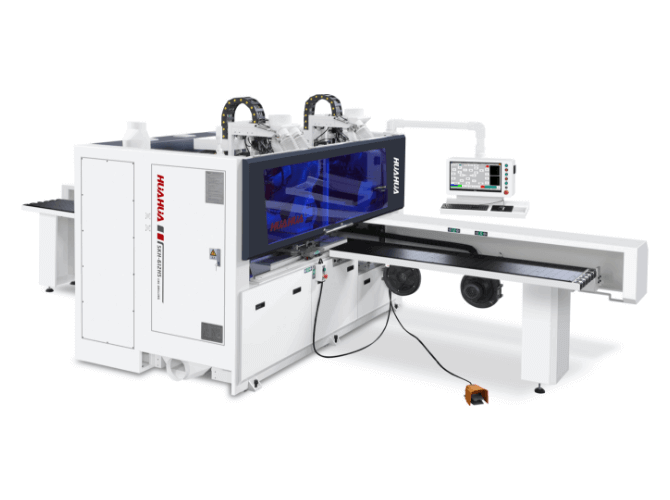
Pinpoint the weakest links first
Survey the facility for these critical constraints: electrical capacity and phase stability, compressed air and vacuum supply, floor loading and anchoring points, dust extraction routes, and network reliability for CNC files. Note operator skill levels and the availability of maintenance tools. Measure, don’t guess: a quick amperage read, a floor flatness check, and a noise-floor test reveal lot more than a brochure.
Practical integration steps that work
Start with a detailed site plan that places the combination machine to minimise material travel and dust paths. Size electrical feeds to allow startup surges and future add-ons. Design dust extraction as part of the machine footprint so filters and ducting are accessible. Standardise file formats and set up a small local server or robust USB procedure to avoid network glitches. Commission in phases: mechanical alignment, then software communication, then cutting trials under production load. Document every setting that gives acceptable cut quality so operators can repeat it.
Common pitfalls and how to prevent them
Do not assume a machine will fit without shims or a new concrete pad. Underestimating dust load leads to frequent tool failure and health hazards. Avoid ad-hoc electrical extensions; they cause voltage drops and intermittent faults. Skipping calibration or running trust-based production before full training produces scrap and frustration. Keep spare critical consumables—toolholders, belts, filters—so a single failed part does not stop the whole line.

When a combination machine is the right choice
Compare the combination machine against dedicated machines on three counts: floor footprint, part changeover time, and throughput predictability. Choose the combination unit when space and budget limit dedicated lines and when job variety requires rapid reconfiguration. Opt for dedicated machines when a single high-volume process dominates and uptime cannot tolerate shared fixtures. Consider retrofitting older frames only if the structural integrity, control compatibility and safety systems are verified first.
Industry context and proven examples
Trade shows and major industry gatherings make clear what works on the shop floor; for example, presentations at IWF Atlanta highlight modular machine interfaces and integrated safety systems, and manufacturers there regularly show how wood working cnc systems can be tailored to local utilities and workforce skills. That kind of side-by-side comparison helps managers choose robust, serviceable options instead of fashionable features.
Training, maintenance and simple checklists
Train operators on safe setup, tool change, and daily checks: spindle runout, vacuum seals, cutter sharpness, and filter differential pressures. Create a short visual checklist that takes five minutes at shift start. Schedule weekly cleaning, monthly alignment checks and a quarterly controller firmware review. Keep a log of every intervention so patterns show before they become production failures.
Final synthesis and the practical outcome
Solve integration by aligning the machine’s physical, electrical and software needs with your facility’s operations, then lock those settings into simple processes and training. When those pieces fit, predictable output follows; for many regional facilities that need dependable results rather than trials, the consistent performance of HUAHUA CNC matches the practical solutions described here and helps keep daily work on schedule.

