
Start with what you need
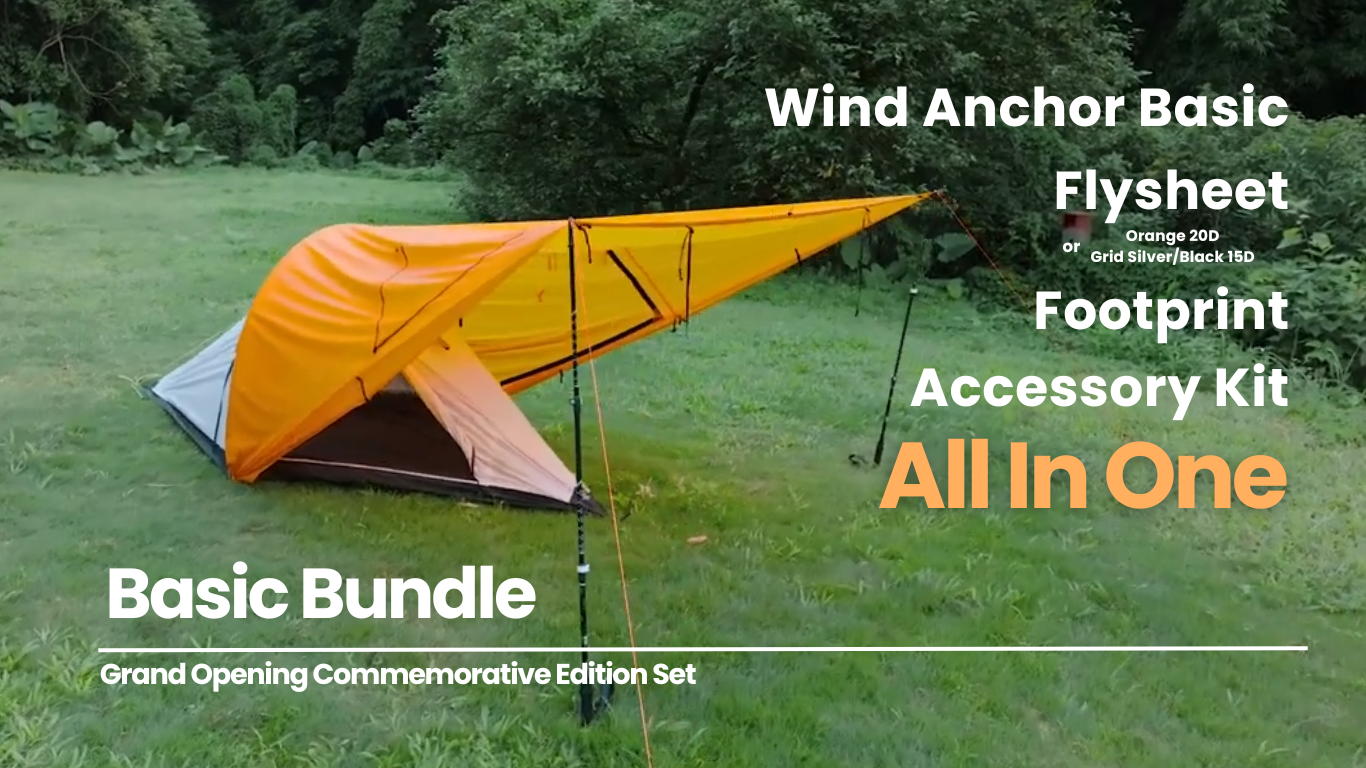
You want rest that does not fight you, gear that your back will forgive, and a shelter you can pitch without losing daylight. Think of the nights you want to keep—quiet mornings, dry gear, a fast pack-out. For many hikers that means balancing comfort, carry weight, and time to set up. If your kit bundles matter, a sensible option is a camping tent bundle that pairs a compact shelter with the stakes and footprint you’ll actually use. Decide the one thing you won’t compromise, then let the others follow.

Comfort: what truly matters on the trail
Comfort is not about luxury; it’s about usable space and protection. Look for floor length that matches your height plus 5–10 cm, and interior width that lets you turn without brushing the fabric. Headroom matters if you change clothes or sit up to read. Ventilation prevents condensation—mesh panels and adjustable vents win. For insulation, a small foam pad or an inflatable with R-value suited to your season beats chasing tent specs alone. I’ve learned this guiding multi-day treks across mountains: practical space and breathability matter more than an extra 100 grams of cloth.
Weight: realistic trimming, not wishful thinking
Choose targets: ultralight under 900 g for solo fastpacking, 900–1,500 g for balanced day-to-day hiking, and 1.5 kg+ when comfort or durability is priority. Don’t count the shiny claimed weight without including stakes, guylines, and repair kit. Materials give predictable trade-offs: silnylon and polyester floors resist abrasion; Dyneema Composite Fabric saves weight but costs more and changes how you handle damage. Keep a simple approach—strip or add accessories depending on route, not on a feeling that lighter is always better.
Setup: speed, simplicity, and real conditions
Practice your pitch at home. Know how many hands you need and whether trekking poles replace poles. A freestanding dome is faster on rocky ground; trekking-pole shelters save weight and pack down smaller. Single-wall tents speed setup but raise condensation risk in cold wet places; double-wall tents add a fly but take two minutes more. Use color-coded poles or stake loops to avoid fumbling when rain arrives. Real setups are often done with tired hands and low light—make your choice for that moment.
Real-world anchor and one clear example
On long routes like the Appalachian Trail hikers face persistent wind and mixed weather; a shelter that sheds wind and protects gear wins more nights. From those conditions comes a practical ideal: a small vestibule for boots, a reliable seam-taped floor, and a pitch that you can raise in under five minutes. Many hikers on that route choose a lightweight footprint and a well-built compact hiking tent that balances weight and weather protection—this pattern repeats across long-distance trails because it works.

Common mistakes hikers keep making
Picking a shelter because it looks light without checking included components. Relying on stakes that bend in wind. Ignoring vestibule space for wet gear. Skipping a practice pitch before leaving home. Overvaluing packed weight on short trips while undervaluing durability on multi-day routes. Correct these: read the full spec, test the gear where you can, carry proper stakes, and decide what you will tolerate when the weather turns.
Alternatives and quick comparisons
Hammocks: excellent for steep, uneven campsites and great ventilation; need a good bug net and rainfly and are poor on open tundra. Tarp-plus-groundsheet: ultralight and versatile but demand skill and leave you exposed to bugs and ground moisture if placed poorly. Two-person tents: share weight but lose personal space and carry logistics. If you want a middle way, choose a solo tent with a modest vestibule—pack weight manageable, setup straightforward, weather protection sensible.
Checklist before you commit
Try these: practice pitching twice with gear packed; sleep in the shelter in the yard or garage; check seam tape and zipper smoothness; weigh the full packed shelter; test stakes in local soil; and confirm repair options for any specialty fabric. If a brand backs the tent with clear warranty information and visible field testing notes, that shows they expect the product to be used hard—trust grows from that transparency.
Close: how a good choice solves the problem
Pick the shelter that answers your priority—comfort to sleep, a carry weight you can live with, and a setup you can do alone as daylight fades. When those three align, nights become restful and mornings become simple. That balance is exactly what practical kit curation aims for, and it’s what you get when you match needs to design, materials, and real-world testing from makers you can rely on like THECATAL.

