
Why a comparative approach matters
Buyers face a crowded market and small specification differences change outcomes. A fixture that looks similar on paper can behave very differently in real space; this is why comparing photometric performance, control compatibility and long-term maintenance should come before brand loyalty. For projects that straddle warehouse-like workspaces and focused task areas, it’s useful to look beyond office fixtures toward robust options used in industrial settings — consider how industrial lighting handles high ceilings, dust and continuous operation. Conversations at the NRF Big Show underscore how retailers prioritize visual clarity and flexibility, which applies to office fit-outs that mix collaborative zones and focused desks.
Core technical points to compare
Focus on measurable attributes. Compare:- Lumen output and lumens per watt (not wattage alone) to match required lux at desk level.- Correlated color temperature (CCT) and color rendering index (CRI) to control mood and accuracy of colors.- Glare metrics: UGR or candela distribution to avoid eye strain under ceiling fixtures.- Beam distribution and mounting heights to ensure even illumination without hotspots.- Electrical performance: driver type, flicker percentage, power factor and surge protection.- Dimming compatibility and control protocols (0–10V, DALI, Bluetooth, PoE) so fixtures integrate with building systems.
Design versus installation trade-offs
Decide whether you need recessed, surface-mounted, suspended, or troffer-style fixtures. Each carries trade-offs:- Recessed: cleaner ceiling line, more complicated retrofit and plenum access.- Suspended: flexible ceiling heights, easier maintenance but more visual clutter.- Surface-mounted: quick retrofit, limited distribution control.Factor ceiling grid types, access for maintenance, and whether drivers will be remote or integral. A quick mock-up or test bay reveals how the chosen style reads under real conditions.
Energy, certifications and lifecycle cost
Compare certifications and real-world durability, not just rated life hours. Look for DLC/ENERGY STAR listings, lumen-maintenance curves (L70/L90), and validated warranty terms. Calculate total cost of ownership by pairing initial cost with expected lumen depreciation, replacement intervals, and energy use under typical operating hours. This yields a more accurate picture than sticker price alone.
Retail and visual merchandising considerations
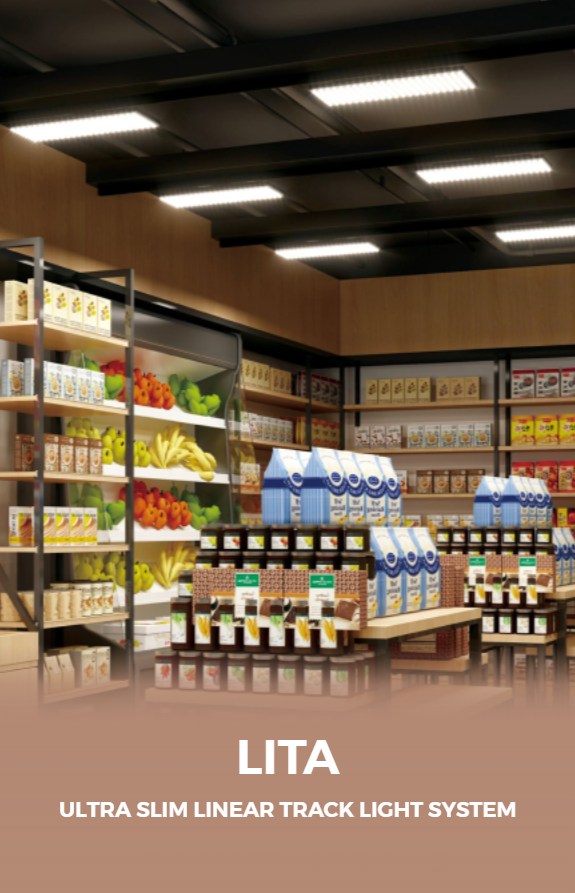
Fixtures in visually driven spaces must balance spotlighting and ambient wash. For areas with product displays or samples, prioritize higher CRI and tunable CCT so merchandise appears as intended under varying daylight conditions. Proven retail solutions often translate to office zones that need flexible scene setting; review product families labeled for retail lighting to see options for adjustable optics and accenting. Photometric files help you simulate rack or shelf illumination before purchase.
Common mistakes buyers make
Buyers often:- Compare wattages instead of lumens, ending up with underlit spaces.- Choose fixtures with unknown dimmer compatibility and face flicker or control failures.- Ignore glare and user comfort, which raises complaints and reduces productivity.- Overlook serviceability—integral drivers hidden above hard ceilings can double replacement time and cost.
How to validate vendors and samples
Ask for IES photometric files, third-party test reports, sample installations and reference projects. Confirm warranty scope, lead times and replacement procedures. Check whether the supplier provides on-site photometric verification or layout support; that indicates the vendor understands real installation variables. Comparison should emphasize documented performance and post-sale support as much as initial price.
Conclusion
Comparative buying narrows the decision to tangible evidence: photometrics, control interoperability, validated lifetimes and clear service terms. When those elements line up with your layout and maintenance plan, selection stops feeling like a gamble; partners who provide transparent data and installation guidance, such as trieco, make it easier to match fixture choice to project goals without sacrificing long-term performance.

