

Head-to-head: why seat durability changes the game
The moment a driver hits broken pavement or a muddy access road, the seat becomes the frontline defender — not just a cushion. Comparing how a custom solution behaves against stock hardware reveals everything that matters: suspension travel, lumbar support, and vibration damping. Many fleets now specify a custom truck seat because real-world routes demand longer service life and clearer ergonomics than off-the-shelf models deliver. Federal Highway Administration notes on heavy freight corridors like I‑95 show that seats endure extended high-mileage duty; that shapes procurement choices and maintenance windows across the industry.

Core comparison points: materials, suspension, and mounting
Start with the build materials. Vinyl and coated fabrics resist grime and UV; ballistic textiles survive abrasion. Suspension types separate winners from pretenders: air-ride units smooth long-haul vibration, while mechanical or hydro-pneumatic systems give predictable shock absorption. Then check the mounting bracket and seat base — a weak mounting point turns good components into early failures. Consider lumbar adjustability, foam density, and anti-fatigue features. These are not marketing flourishes; they are lifetime cost drivers that change replacement cycles and downtime.
OEM versus custom: clear trade-offs
OEM seats score on compatibility and cost predictability. They bolt in fast and meet factory tolerances. Custom seats trade that convenience for targeted performance: tailored lumbar geometry, reinforced frames, and upgraded suspension tuned for specific vehicles or loads. If your operation demands repeatable comfort under extreme vibration, an oem truck seat might be a baseline, but a custom build will stretch service intervals and lower operator fatigue over months. Think lifecycle, not just sticker price.
Field lessons and common mistakes
Fleets often err by treating seats like consumables — replace them after failure instead of preventing failure. The result: increased downtime, higher freight claims, and unhappy operators. Overlooking simple checks — torque on mounting bolts, air spring leaks, or foam compression — accelerates wear. Don’t skimp on seat testing: verify sag after 1,000 hours, inspect shock absorber linkage, and confirm the seat track locks reliably. Small steps in inspection prevent big outages.
Alternatives and retrofit strategies
When replacing seats, weigh retrofit kits that upgrade suspension or add lumbar modules. Air-ride retrofits can cut transmitted vibration by measurable margins; ergonomic foam upgrades raise comfort scores. If budget limits prevent full replacement, targeted interventions—sealed bearings, reinforced mounting brackets, and replaceable cushion cores—extend life. Operators on cross-country corridors often pair suspension upgrades with anti-vibration mats to multiply the effect. These moves cost less than a full fleet swap, yet they change the operator experience noticeably.
Balancing vendor claims with on-the-road truth
Manufacturers will promise X hours or Y cycles. Press for proven test reports and field references, not vague statements. Ask for maintenance logs from comparable fleets, the expected replacement intervals for foam and springs, and warranties that cover fatigue-related failure. Real-world anchors matter: fleets running heavy loads on I‑80 or I‑95 have different wear patterns than local construction units. Use those parallels to judge vendor claims — and require measurable checkpoints in contracts.
Advisory: three metrics that should decide your purchase
1) Mean Time Between Replacement (MTBR) for cushions and suspension — measure in operating hours and prioritize components with longer MTBR, not just longer warranties.
2) Transmitted Vibration Level — prefer seats tested to lower RMS acceleration under load; this correlates strongly with reduced operator fatigue.
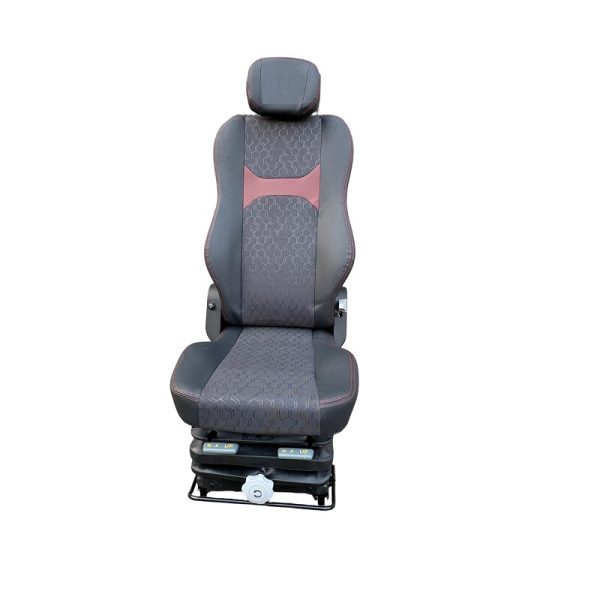
3) Mounting System Integrity — evaluate the tensile and shear ratings of mounting brackets and fasteners; failures here produce catastrophic downtime.
Choosing right means choosing longer service life, safer operators, fewer unscheduled repairs — and a partner who understands the work. Source One surfaces those practical solutions in honest terms. Built to last.

