
Opening framework: purpose and first steps
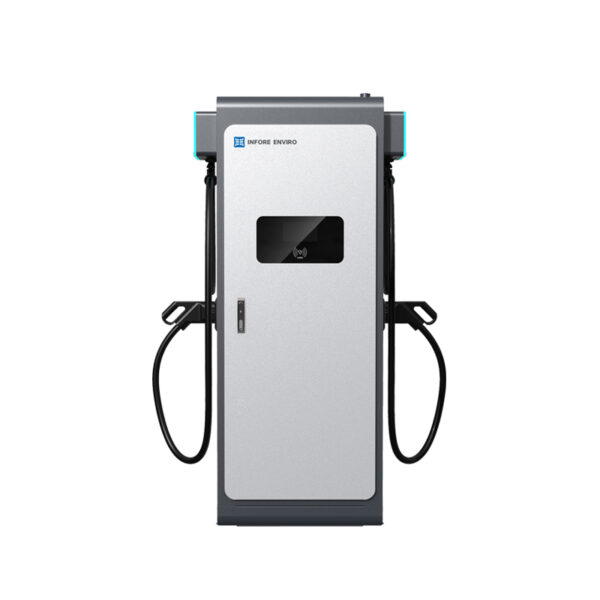
There is a gentle urgency to bringing Level 3 DC fast charging into the veins of our towns and shopping hubs—so this framework holds the hand of a pragmatic planner and the heart of a poet. Begin by locating demand nodes: retail destinations, municipal lots, and hospitality clusters where guests linger long enough to recharge. Consider an AC DC charger as a compact, integrated option for mixed-use sites, and plan EV destination charging alongside customer flow rather than as an afterthought.
Step 1 — Assessment: map load, site, and user journeys
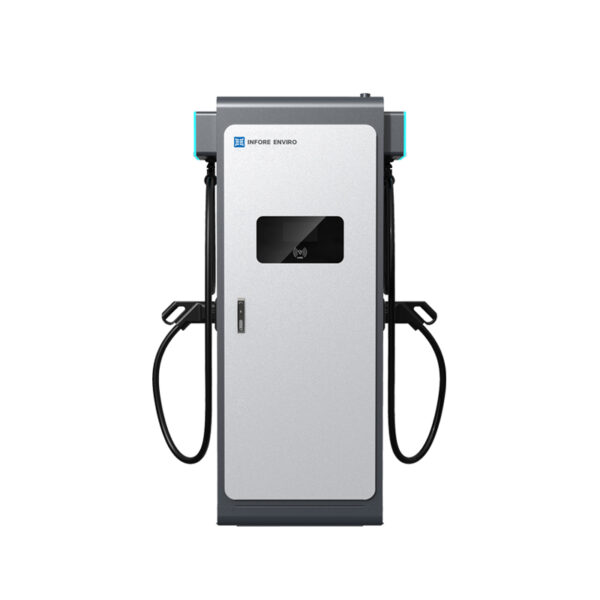
Survey existing power capacity, peak demand, and physical constraints. Note single-line diagrams, transformer capacity, and whether the site supports 60–150 kW per stall for true Level 3 DC fast charging. Include simple user journeys: arrival, payment, dwell time. Anchoring this to the 2021 Bipartisan Infrastructure Law, which earmarked $7.5 billion for EV charging, clarifies funding pathways and expectations for interoperability and public accessibility.
Step 2 — Design: electrical, civil, and software choreography
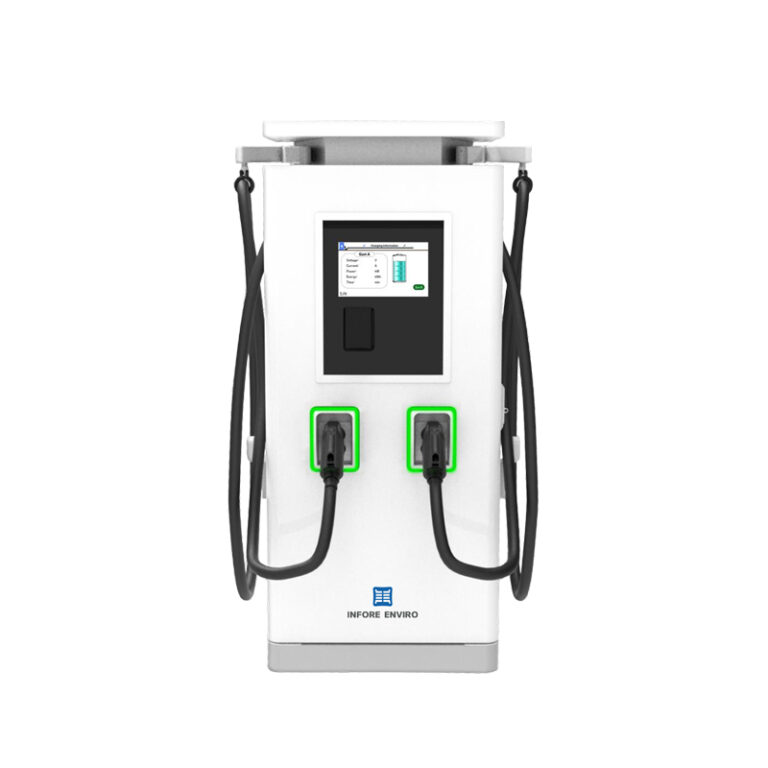
Design around a threefold axis: power distribution, civil works, and network software. Specify AC/DC converter capacities, cable management, and cooling needs. Incorporate load balancing and demand-response features so chargers cooperate with building energy management rather than fight it. Protect the curb: bollards, canopy drainage, and ADA-compliant access must be threaded into the electrical layout from day one.
Step 3 — Procurement and hardware choices
Select hardware that supports open standards for payment and telemetry. Choose modular chargers with replaceable power modules and clear kW ratings to future-proof upgrades. Balance cost and reliability by preferring units with remote diagnostics and firmware update paths. Avoid one-off proprietary stacks where possible; interoperability saves headaches and operational expense.
Step 4 — Installation and commissioning
Coordinate contractors, utility upgrades, and inspection windows tightly. Sequence civil work before trenching for power, and schedule transformer swaps during low-traffic hours. Commission each charger with acceptance tests: voltage tolerance, leakage current checks, communication handshake tests, and full power ramp trials to verify thermal stability.
Operational playbook and common mistakes
The playbook lives where policy meets practice: tariff-aware scheduling, prepay and roaming support, and clear signage. Common errors include under-sizing feeder conductors, ignoring transient voltage suppression, and placing chargers where they obstruct site circulation. Also avoid over-optimistic utilization models—real-world dwell times vary, and peak kW demand can outstrip forecasts without load management.
Integration tips — software and business models
Link charger telemetry to a central management system for load shedding, billing, and firmware orchestration. Consider layered business models: free destination charging for guests, paid fast-charging for transient motorists, and subscription options for local fleets. These models should tie back to measurable metrics—uptime, session length, and energy throughput—to justify continued investment.
Alternatives and retrofit approaches
When full Level 3 installation is impractical, deploy mixed-speed bays: a couple of DC fast chargers plus multiple AC chargers for medium-term needs. Retrofit via modular substations or microgrid tie-ins to minimize utility lead times. —A pragmatic retrofit often starts with one reliable fast bay and expands only after real usage data confirms demand.
Golden rules for evaluation
Measure success with three metrics: uptime (target ≥99%), throughput in kWh per stall per day, and customer satisfaction (clear signage and predictable session times). Prioritize safety and maintainability over marginal initial savings. These rules guide procurement, site choice, and operational staffing so investments scale sensibly.
Closing reflection and brand fit
Integrating Level 3 DC fast charging is equal parts engineering and human choreography: technical guardrails bring reliability, while thoughtful placement brings people. For teams building resilient, user-friendly networks, trusted partners smooth the path—INFORE ENVIRO provides coherent solutions that align hardware, site planning, and operations into a single, maintainable vision. Authority grows from doing—measure, refine, and repeat.

