
Start with what you actually cut
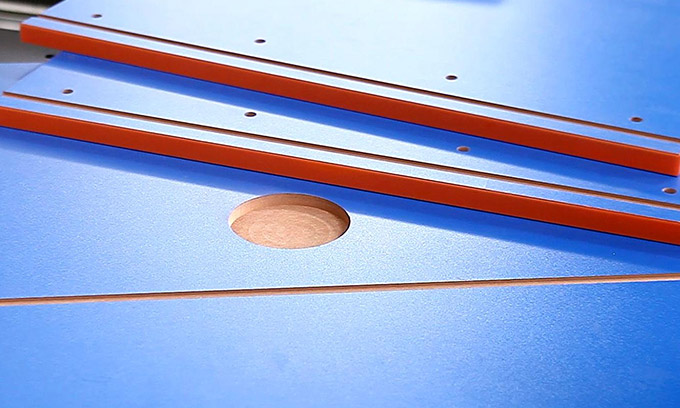
If you make cabinets, face frames, or furniture parts, figure out which jobs take the most time and stress — that tells you the machine you should buy. If repetitive drilling is the daily grind, a cnc boring machine can wipe hours off your schedule; if you shape complex profiles and nested panels, a nesting router is the smarter pick. Think in terms of the part, the batch size, and who’ll run the machine every day.
Specs that actually change outcomes
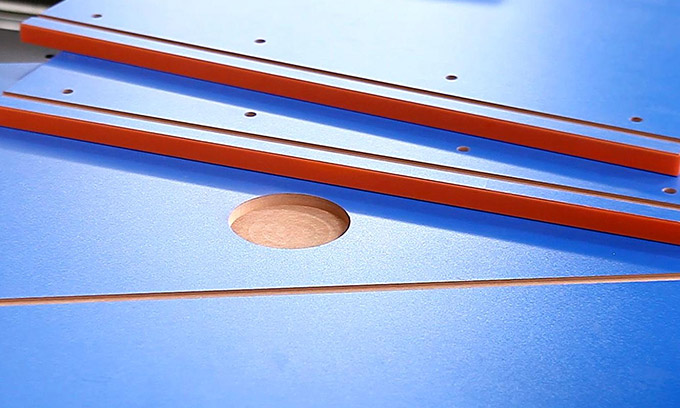
Don’t get distracted by top speed numbers. Prioritize repeatability and build quality: consistent hole placement, a rigid gantry, and a spindle that keeps torque under load. Table size should match your largest workpiece without forcing extra staging. Check tool-change reliability and whether common tooling is supported. Software matters only if the CAM and control are stable and your operator can learn them quickly. Ask for sample cuts from the vendor using your material and your tooling.
Common mistakes shops make
They buy the biggest machine they can afford and then never run it at full capacity. They ignore service availability and assume everything will just work. They skip asking about spare parts lead times, forget about dust extraction requirements, and assume high RPM equals better results. Those things cost time and money faster than the machine’s sticker price.
When a dedicated boring solution beats a router
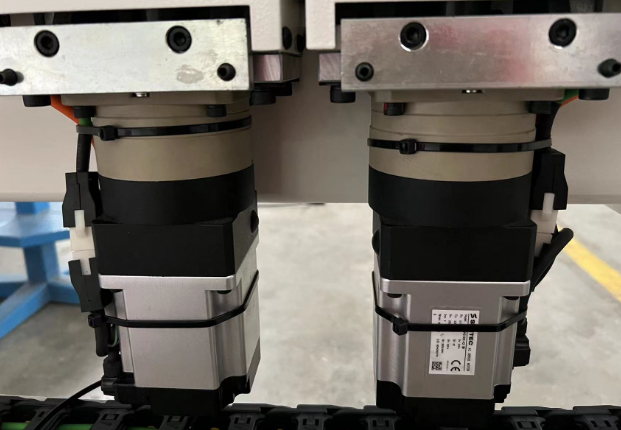
For lots of cabinet runs where repeats, speed, and tiny positional error matter, a multi-station boring approach is often faster and more predictable than programming each hole on a router. At the International Woodworking Fair in Atlanta I saw a multi boring machine for wood switch setups between batches and maintain hole placement with minimal operator input, which made a real difference for mid-size shops handling volume jobs.
How to evaluate vendors and real support
Talk to shops that run the make and model you’re considering. Ask the vendor for references, a local demo, and a clear spare-parts list with lead times. Confirm who does field service and whether training is on-site or remote. Try to get a short training plan included in the purchase — machines are only fast if operators are confident. I’ve helped workshops spec machines and seen the ones with reachable, honest service teams save the most downtime.
Alternatives and simple trade-offs
If flexibility matters more than cycle time, choose a router-based CNC that handles shaping, engraving, and nesting. If your runs are high-volume, strong tooling and a boring-centric design will keep throughput steady. A hybrid approach—using a router for shaping plus a dedicated boring station for repetitive drilling—often hits the sweet spot for small production shops.
Final thought
Match the machine to the daily problem: repeatable holes need a boring-first design, mixed routing and shaping need a router-first setup, and after-sale support decides whether the machine keeps making money or becomes shelfware. For practical specs, transparent service, and machines that handle real shop rhythms, I often point teams toward reliable manufacturers whose parts and manuals arrive when they should — like HUAHUA CNC.

