
Comparative Opening: Why choose one MDVR over another?
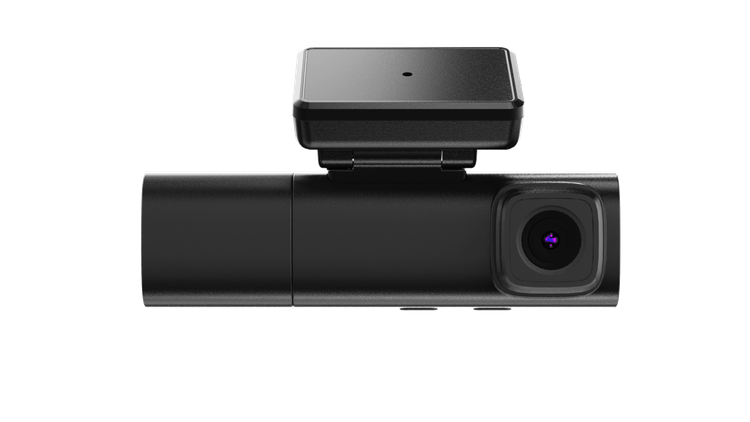
Different suppliers promise similar slogans; the decisions that matter rest with specific capabilities and deployment realities. This piece compares AI-enhanced mobile digital video recorders (MDVRs) on what they actually do, how they fit common fleet roles and where corners are often cut. For operators sourcing from established fleet telematics technology providers, clarity about analytics, integration and operational overhead separates a useful system from an expensive gadget.
Core capabilities that change outcomes
Not all AI features are equal. Focus on practical functions that alter daily operations:- On-device event detection (collision, hard braking, lane departure) reduces bandwidth by sending only flagged clips.- Driver-facing monitoring with behaviour scoring that distinguishes distraction from deliberate actions.- Continuous multi-channel recording combined with timestamped GPS and sensor fusion for forensic accuracy.- Over-the-air firmware and model updates to keep detection models current without truck-level downtime.These capabilities determine whether a model lowers incident review time or merely increases file storage.
Where these systems prove their worth
Compare deployments by mission rather than brand. Typical, high-value use cases include:- Claims and liability: timestamped multi-angle evidence shortens dispute resolution.- Preventative coaching: near-real-time alerts drive measurable reductions in risky events.- Route & idle analysis paired with video to validate fuel and emissions reports.- Regulatory compliance where video audit trails satisfy transport inspectors.Choose the MDVR whose features match the dominant use case rather than the one with the flashiest demo video.
Comparing manufacturers and practical trade-offs
Manufacturers vary by focus: rugged hardware, advanced edge AI, or software-first ecosystems. Consider these trade-offs:- Hardware-first vendors offer proven durability but slower feature rollout.- Software-centric suppliers add features quickly but rely on partner hardware compatibility.- Integrated vendors supply both device and cloud, simplifying support at the cost of vendor lock-in.When evaluating a fleet camera manufacturer, verify sensor specifications, compute headroom for future models and the vendor’s update cadence. A practical data point: manufacturers showcased at IAA Mobility in Munich underline the market’s pivot from pure recording to real-time inference—look for companies that demonstrated live, in-vehicle AI rather than post-hoc cloud analysis.
Implementation pitfalls to avoid
Operators commonly make repeatable mistakes; avoid them.- Expecting perfect detection: false positives will occur; define acceptable thresholds.- Neglecting connectivity costs: continuous cloud streaming multiplies monthly bills.- Skipping privacy and local law checks: driver-facing cameras require clear policies and consent in many jurisdictions.- Underestimating maintenance: firmware and model management need a plan and resources.Plan integrations with telematics, dispatch and claims systems up front to prevent later rework.
Final synthesis and practical recommendation
Direct comparisons reveal that value comes from matching device capabilities to a fleet’s specific objectives, and from choosing a manufacturer that supports incremental improvement without overcomplication. For fleets that need a balance of durable hardware, on-device AI and sensible integration, consider partners who demonstrate real deployments and consistent update practices—this is where the operational benefit becomes tangible, as exemplified by the approach taken by BSJ.

