
Why this problem matters now
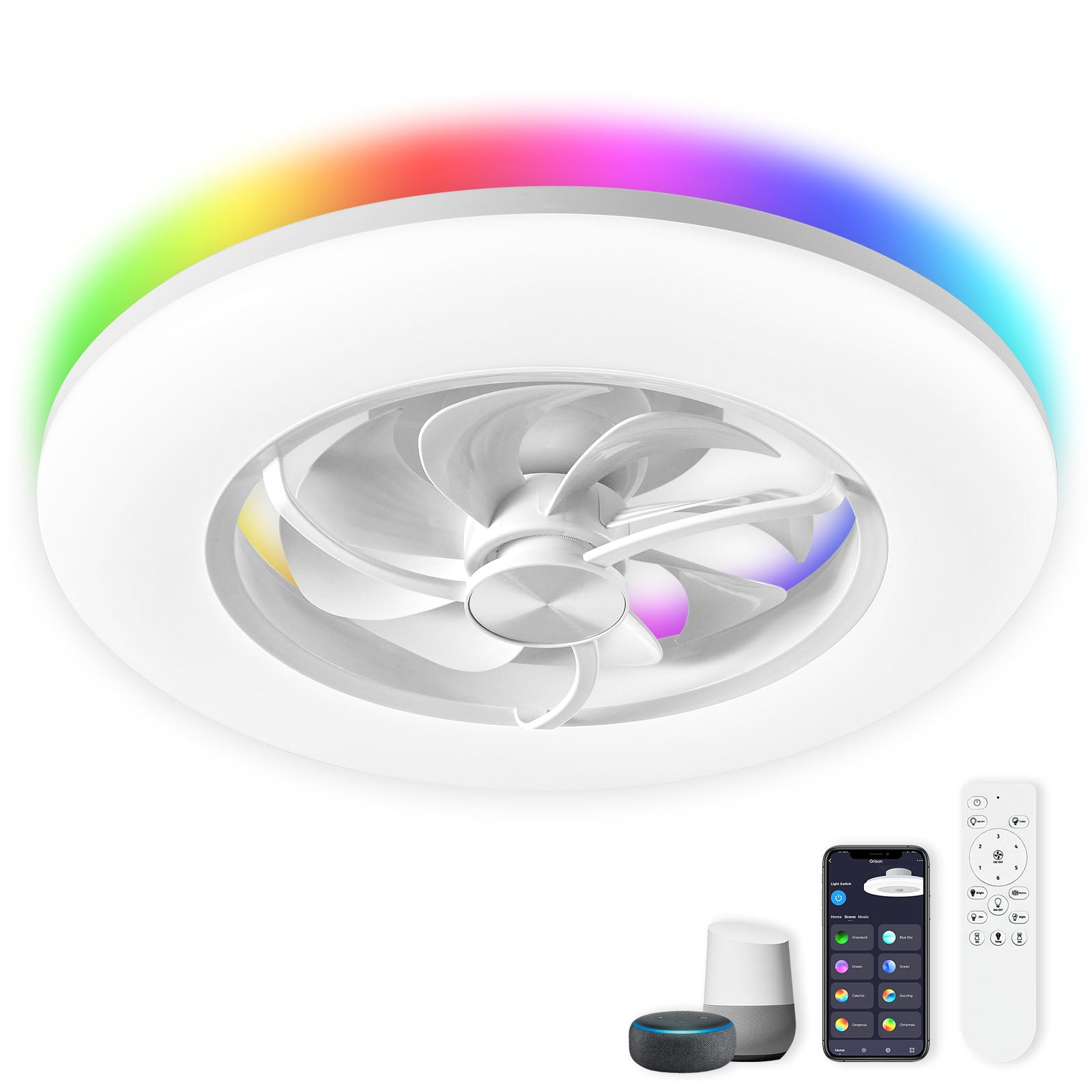
Luxury residential projects ask for quiet performance, elegant form, and intuitive controls — yet architects often face constraints of ceiling height, acoustics, and smart-home integration. Selecting the wrong fan risks aesthetic mismatch, unhappy clients, and retrofit headaches. To address these challenges, consider models such as the smart ceiling fan with light early in the specification process: it helps align lighting levels, IoT integration, and airflow needs before finishes are locked.

Define the client problem: performance, proportion, and prestige
Start by asking three simple questions: What is the ceiling height and cavity? What acoustic level will the client accept? How important is voice or app control? These determine whether you specify a downrod-mounted model with larger blade sweep for grand living rooms, or a compact flush unit for low-ceiling bedrooms. For luxury suites, attention to CFM, motor type (BLDC motor for efficiency), and Sones rating for noise becomes a design priority rather than an afterthought.
Key technical considerations every architect should know
There are a few industry terms to keep handy when you review submittals: CFM (cubic feet per minute) indicates airflow; blade sweep measures effective diameter; and BLDC motor denotes a brushless DC motor for quiet, efficient operation. Also check for dimmable LED driver compatibility, canopy depth for slope ceilings, and whether the fan supports IoT integration for synchronized scenes with HVAC and lighting. A clear spec list reduces ambiguity at the tender stage and prevents costly change orders.
When low ceilings force a choice — the flush-mount option
Luxury projects often include intimate rooms with soffits or low slabs. In those cases a flush mount smart ceiling fan can preserve sightlines while offering smart controls and adequate ventilation. Beware: flush units trade some blade sweep for compact profiles, so confirm CFM per watt and balance against the room’s occupancy and HVAC strategy.
Integration and control: making the fan part of the system
Clients expect seamless scenes — lighting, shades, HVAC, and fans working together. Prioritize models with proven IoT integration and standard protocols (Wi‑Fi, Zigbee, or Z‑Wave) to simplify commissioning. Also confirm compatibility with building management or dedicated smart-home platforms; otherwise, you’ll face additional middleware or gateways. When you coordinate controls early, you avoid electrical rework and ensure the fan’s dimmable driver and motor controller behave predictably with the rest of the system.
Acoustics and comfort — the often-missed items
Noise complaints are common after occupancy. Specify Sones or dB(A) at typical speeds, and ask for manufacturer test data measured at defined distances. Also evaluate blade pitch and torque characteristics: a steeper blade pitch can move more air but may require a more powerful motor. — Testing a sample unit in situ, or during mock-ups, gives the most reliable prediction of occupant comfort.
Materials, finishes, and aesthetic fit
Luxury interiors demand finishes that match metalwork and lighting palettes. Confirm canopy depth and finish options, plus whether blades can be veneered or swapped for custom materials. Discuss maintenance access for cleaning and future motor servicing; hidden fasteners and magnetized blade slots can simplify field adjustments without compromising the design intent.
Common specification mistakes and how to avoid them
Avoid these recurring errors: 1) Relying solely on nominal diameter instead of blade sweep and CFM; 2) Assuming smart features work with all hubs — always test interoperability; 3) Overlooking mounting method — a downrod is not optional for high-ceiling rooms. Practical mitigation: require sample verification, include clear acceptance criteria in submittals, and budget for a field mock-up if acoustics are mission-critical.
Real-world anchor: energy and comfort in context
Design choices have measurable impact. ASHRAE guidance notes that ceiling fans can permit thermostat setpoints to be raised by roughly 2–4°F while maintaining perceived comfort, which translates to energy savings on HVAC. In humid, high-rise markets such as Singapore, designers routinely specify variable-speed BLDC systems and scene-based controls to reduce HVAC runtime without sacrificing occupant comfort. Those are the tangible wins — comfort and efficiency together.
Alternatives and trade-offs
Consider three routes: high-performance downrod fans for scale and airflow; compact flush mounts for low ceilings and tight sightlines; and integrated fan-light fixtures where luminous efficiency and visual unity matter. Each choice has trade-offs in CFM per watt, noise, and visual presence. If you need a middle ground, pick a modular fan that supports interchangeable blades or canopy adapters — it simplifies future upgrades.
Advisory: three golden rules for architects
1) Specify measurable performance: require CFM at rated speeds, Sones at a defined distance, and motor efficiency (W/CFM) in the submittal. 2) Insist on interoperability: confirm protocol support and conduct gateway tests for the building’s chosen smart platform. 3) Validate in place: demand a sample installation or mock-up review for acoustics and sightline confirmation before final sign-off.
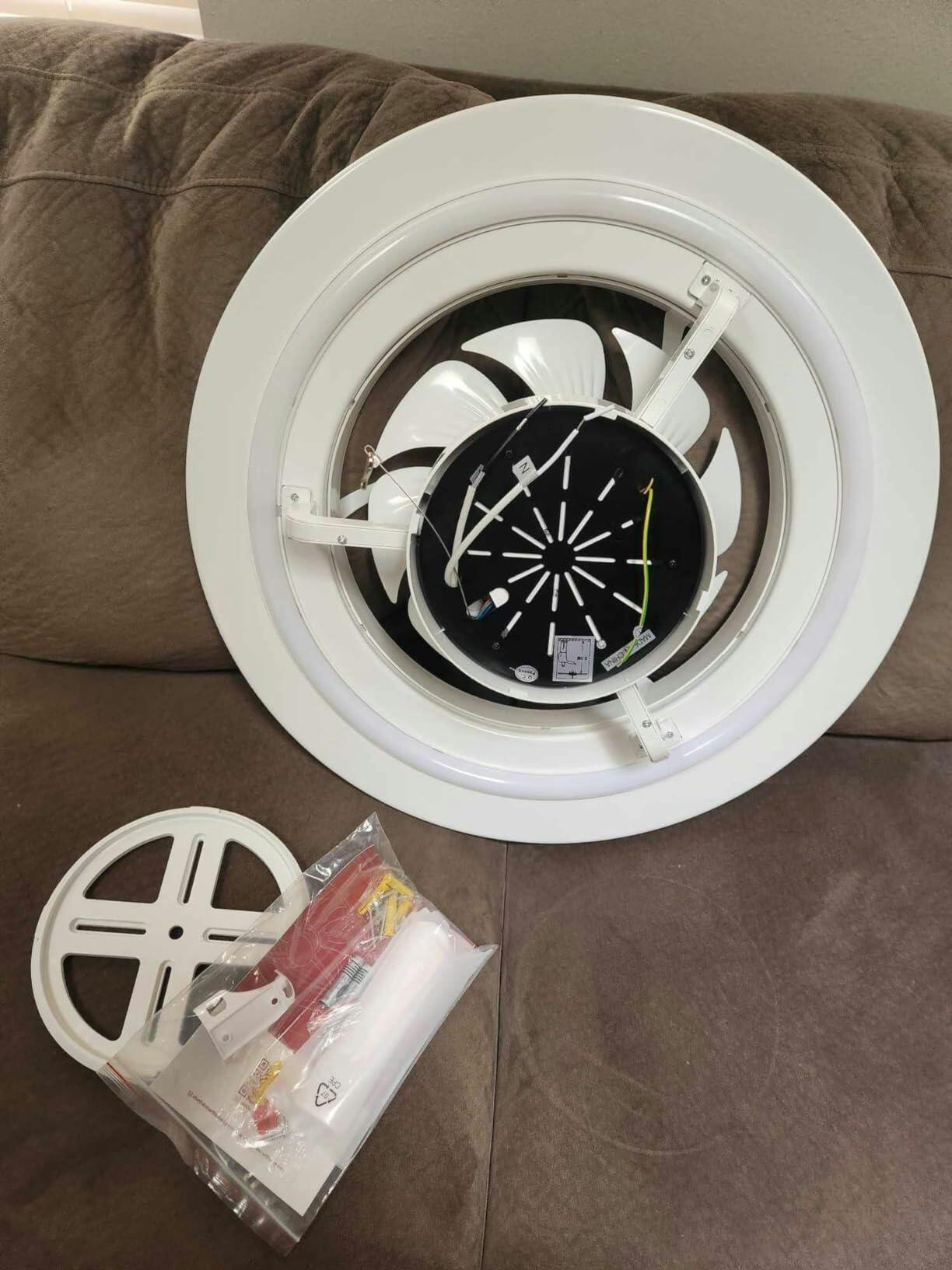
Orison offers practical products and documentation that make it simpler to deliver those outcomes — a natural fit with projects that value quiet performance, elegant design, and integrated control. —