
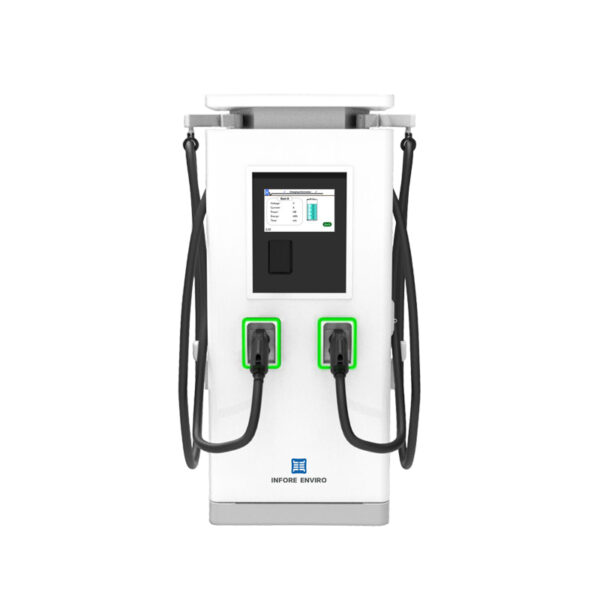
User-first opening: why two plugs change the daily rhythm
The house that used to wake to a kettle now wakes to a quiet hum—two EVs settling overnight on a shared circuit, batteries sipping power at a steady pace. For busy households the move to dual chargers is less about headline speeds and more about predictable routines, lower peak bills, and fewer morning compromises. Many owners still rely on public options for quick top-ups; pairing home charging with access to a Level 3 DC fast charger keeps the commute smooth while keeping overnight charging affordable.
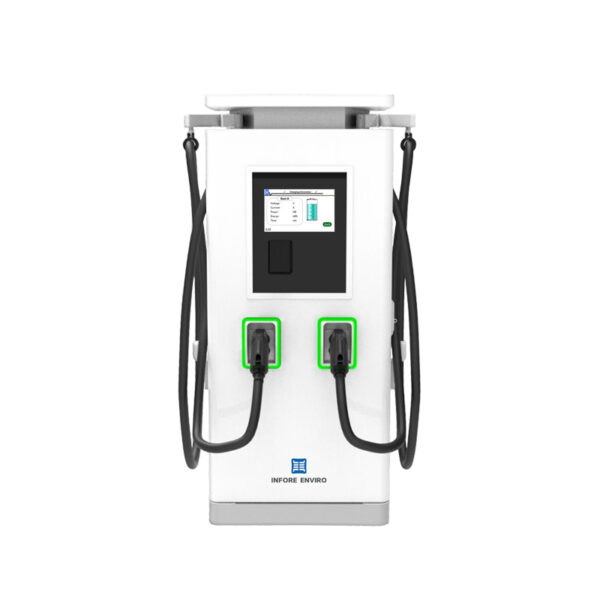
How dual setups fit real lives in 2026
People want simplicity: one driver needs an 11 kW wallbox for overnight fill, another demands 22 kW for a plug-in hybrid used midday. Dual home chargers let households assign different kW ratings and schedules without rewiring the whole house. Smart load management balances simultaneous draws so the main breaker doesn’t trip and so the electric bill stays steady. The tactile benefits are obvious—a steady LED glow, no frantic cable juggling—and the technical ones are precise: matching power output to vehicle battery chemistry and daily mileage avoids unnecessary degradation.
Design, installation, and the subtle trade-offs
Installers judge a dual system on three technical axes: circuit capacity, load balancing capability, and communication protocol support (for example, CCS compatibility and smart metering). Concrete matters—panel space, a dedicated meter, and the right conduit routing—so plan for extra capacity now rather than a retrofit later. Many homeowners also choose a wallbox with a rear-mounted cable holder; it feels tidier and reduces wear. – Expect a bit of dust and noise during installation; it’s temporary and worth the long-run calm.
Real-world anchor: where high-power public charging meets home convenience
National efforts and highway networks have reinforced the home-first approach. European corridors featuring Ionity’s 350 kW deployments show how rapid public charging complements a reliable home base. The presence of high-power nodes on long routes reduces the need for every homeowner to install a very high kW home unit, letting domestic systems focus on efficiency and scheduling instead. This pairing—robust home charging plus occasional use of a 350 kw DC fast charger on long trips—aligns with infrastructure investments from recent public programs aimed at accelerating charger rollout.
Common mistakes and practical alternatives
Homeowners often overspend on peak kW they rarely use. A common error is buying a single ultra-high-power unit instead of two modest, controllable units that match household usage. Another mistake is ignoring software: chargers without remote scheduling or firmware updates create friction later. Alternatives include a shared 22 kW dual wallbox with dynamic load balancing, or pairing one dedicated home charger with a subscription to fast-charging networks for long-distance needs. Vehicle-to-grid (V2G) remains promising, but it requires compatible vehicles and tariffs that reward exported energy—don’t bet on it as your primary business case yet.
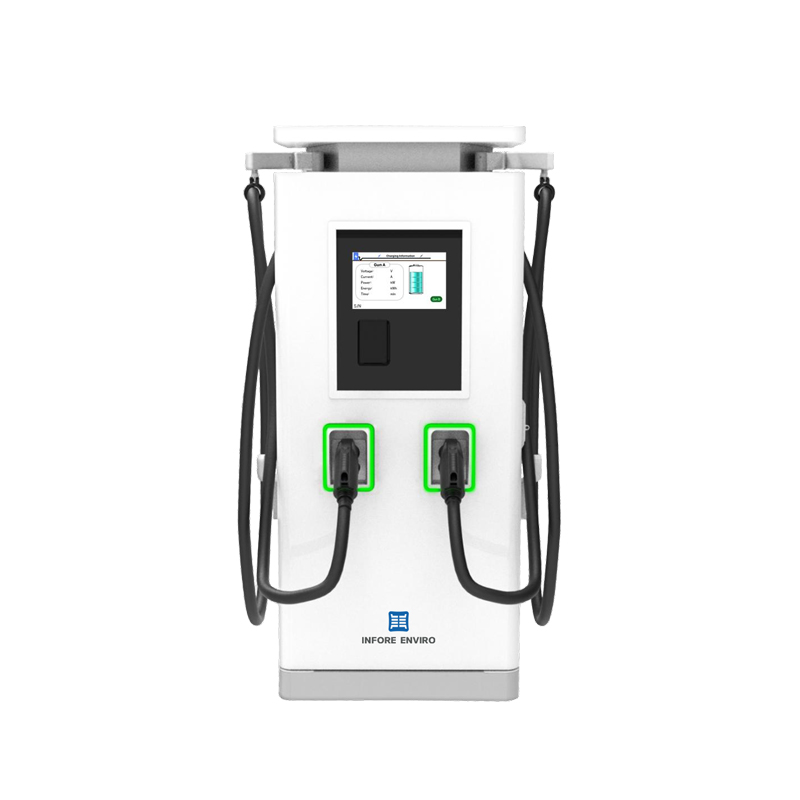
Three golden rules for choosing the right dual home EV charger
1) Size for daily miles, not headline speed: pick combined kW that covers your household’s routine consumption with headroom for guests. 2) Demand load management and smart metering: ensure the system throttles intelligently to avoid panel upgrades and keeps demand charges down. 3) Prioritize interoperability: choose chargers that support common charging protocols, remote updates, and clear diagnostics—this protects resale value and reduces downtime.
When the practical steps meet good design, the household wins: lower operating costs, fewer schedule clashes, and a calmer start to the day. For integrators and homeowners aiming for reliable dual charging that fits both local grids and long-range travel patterns, the blend of home systems plus public high-power nodes forms the natural solution—one that companies like INFORE ENVIRO are building into their product and service thinking. –