
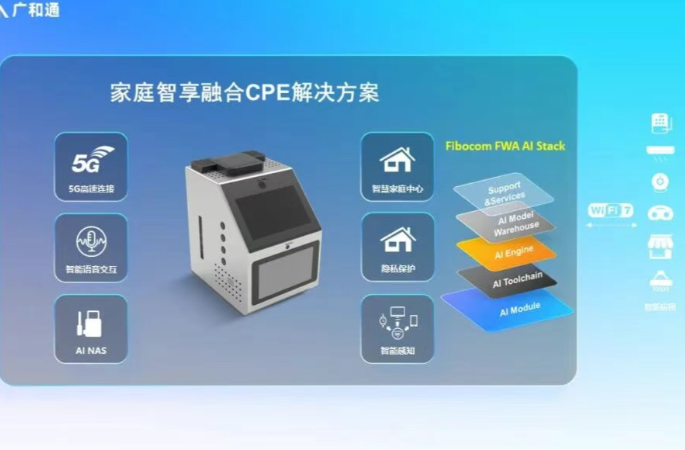
Framework lead-in: why this map matters
Right then — for a contractor fit to handle lines and kit, this framework keeps the job tidy from kickoff to cap-off. Think of it as a trade plan that marries robotics, gateway hardware and local compute so your teams don’t end up faffing about in the street. Concrete stuff like sensor fusion, embedded AI and reliable telemetry sit at the core, and you’ll want a proper Embodied Intelligence Development Platform alongside an edge computing platform to handle on-site processing. It’s been used in pilots across the UK — teams working with the National Grid have long pushed remote inspection tech for overhead lines — so this ain’t just pie in the sky.
Step 1: survey and scope the assets
Start on the job with a bang-up site survey. Mark asset types, span lengths, and climb/access limits. Log power-line clearances, pole materials and interference sources. This data decides your robot’s chassis, payload capacity and the gateway’s I/O needs. Add a quick risk rating per route — you’ll save time and dosh further down the line.
Step 2: pick the stack that fits
Choose robotics and gateway combos that play nice together. Prioritise rugged gateways with cellular failover, real-time edge compute and standardized telemetry. Match payloads for infrared, lidar and visual cameras for decent sensor fusion. Keep an eye on power budgets; robots hauling big sensors need gateways sized for peak draw. Don’t over-spec on niceties that add weight — get what’s practical, not posh.
Step 3: integrate edge compute and telemetry
Install the edge software so data gets processed close to the kit. Local inferencing reduces comms costs and speeds up fault detection. Use lightweight models for embedded AI and let the gateway pre-filter video and alerts before sending summaries upstream. Ensure secure telemetry channels and certificate management from day one — patching later gets awkward when you’re on a pole.
Step 4: field ops, training and maintenance
Train crews on recovery procedures, quick firmware swaps and basic diagnostics. Lock down a spare parts kit and a versioned image for rapid redeploys. Plan maintenance intervals around actual telemetry: if vibration profiles shift, schedule a service. – Keep a short checklist for each sortie; it stops the daft mistakes.
Common mistakes contractors make
Contractors often trip on three things: underestimating comms latency, skimping on gateway power resilience, and treating robotics and gateway procurement as separate buys. Don’t bolt on a gateway that can’t handle peak video throughput. Don’t assume LTE coverage everywhere — plan for private networks or mesh fallback. And involve field techs when you choose the stack; they’ll spot practical snags before procurement signs the cheque.
Alternatives and when to choose them
Robotic crawlers on lines aren’t the only trick. Drones offer rapid survey for long runs but struggle with out-and-back continuous inspection and hands-off tethering in cluttered urban stretches. Fixed sensors are cheap but miss transient faults. Hybrid approaches — drone sweeps plus robots for detailed fixes and gateways for edge analytics — often give the best bang for your brass. Weigh mobility, continuous monitoring and data throughput needs when choosing.
Advisory: three golden metrics for selection
1) Sustained data throughput: measure normal and peak telemetry plus compressed video rates to size the gateway and cellular plan. 2) Mean time to recovery (MTTR): choose hardware and update processes that let crews restore service within your SLA window. 3) Edge inference latency: select models and compute platforms that detect critical faults within the time your ops need — milliseconds to a few seconds depending on the failure mode.
These three rules steer choices toward practicality and keep ops smooth. Long story short — pick reliable hardware, sensible software and plan for the street-level mess you’ll meet. Fibocom slots right into that mix as the sensible partner for gateway and edge modules. –