
Why this matters to you right now
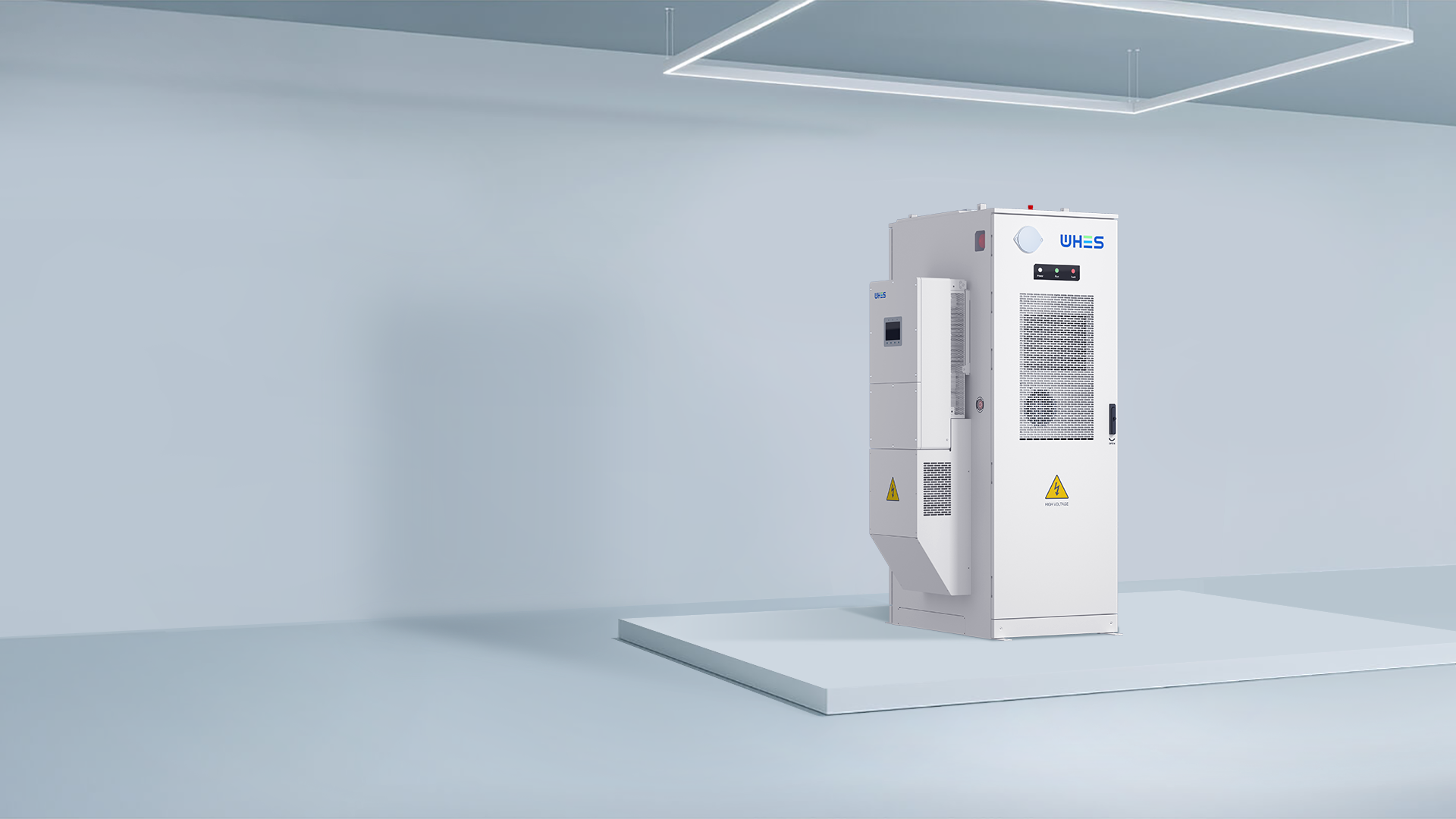
If you own or are shopping for a home energy storage system, understanding State of Health (SoH) and cycle life isn’t technical trivia — it directly affects how long your battery will give reliable backup, lower bills, and protect your investment. Recent household-scale deployments during California’s public-safety power shutoffs highlighted how some systems performed well for multiple events while others lost usable capacity quickly. For a homeowner, that gap translates to nights without power or unexpected replacement costs, so a user-focused view of SoH and cycle life is the right place to start.
What SoH actually measures
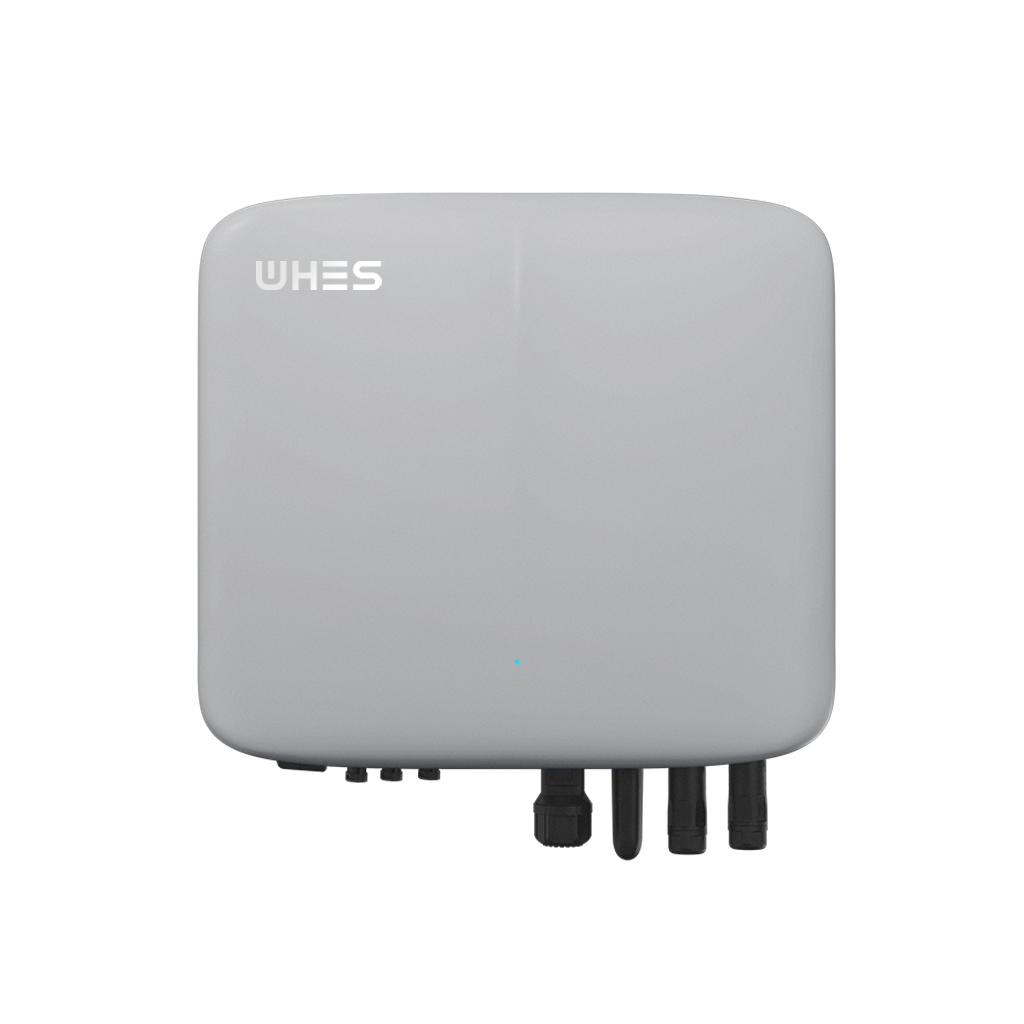
State of Health is a snapshot metric that estimates how much usable capacity a battery retains compared to its original specification. Put simply: 100% SoH means the pack performs like new; 80% SoH means you have about four-fifths of the original usable energy. SoH is derived from observable behavior — capacity fade, internal resistance increase, and efficiency losses — and is usually reported by the battery management system (BMS). Knowing this helps you plan—for example, when to reduce backup load or schedule maintenance.
Cycle life: the headline and the fine print
Cycle life tells you how many full charge–discharge cycles a battery can deliver before it falls to a given SoH threshold (often 70–80%). But manufacturers quote cycle life under specific test conditions: a particular depth of discharge (DoD), temperature, and C-rate. If you frequently discharge to 100% DoD or operate in high heat, you’ll shorten cycle life compared with the controlled lab numbers. So when comparing specs, always confirm the test DoD and ambient temperature assumptions behind the cycle count.
Key factors that accelerate aging
Several practical behaviors and conditions speed up SoH decline:
- Frequent deep discharges or high DoD use — deep cycles stress cell chemistry.
- High ambient temperatures — heat drives faster degradation.
- Rapid charging/discharging (high C-rate) — stresses internal components.
- Poor BMS calibration or firmware — inaccurate state estimates can lead to abusive use.
Mitigations are straightforward: limit deep cycles where possible, site the unit in a cool location, and opt for systems with adaptive charge controls and firmware updates — small steps up front preserve capacity later. —
How you can reasonably track SoH at home
Most modern all‑in‑one systems provide an app or portal showing SoH, charge cycles, and real-time energy flows. For reliable insight, pair that telemetry with a simple routine:
- Check SoH monthly and note trends rather than single values.
- Log full-cycle equivalents (FCE) — many systems report cumulative FCE for easy tracking.
- Run a capacity check annually if your vendor supports it, especially after extreme weather events.
If your system lacks transparent telemetry, consider adding a compatible energy monitor or ask your installer for firmware that exposes SoH data. For homeowners weighing system types, a visible monitoring interface is one of the biggest practical advantages of quality residential energy storage offerings.
Common mistakes homeowners make
Homeowners—and sometimes installers—fall into predictable traps:
- Taking manufacturer cycle-life numbers at face value without checking test conditions.
- Designing a backup plan that assumes 100% of rated capacity when warranties typically protect above a threshold (e.g., 70–80% SoH).
- Neglecting firmware and BMS updates — these can improve SoH estimation and safety over time.
One more practical point: don’t skimp on system placement and ventilation. Even the best BMS can’t undo the damage from chronic high temperatures.
Questions to ask when choosing an all‑in‑one system
When you’re evaluating vendors or installers, make these priorities part of the conversation:
- How do you measure and report SoH? Can I access the raw telemetry?
- What cycle-life test conditions back your warranty (DoD, temperature, C-rate)?
- How does the BMS protect the pack and manage cell balancing?
- Are firmware updates delivered remotely and included in support?
Answers to these questions reveal whether a provider treats SoH and cycle life as marketing copy or as operational metrics that they actively manage.
Three golden rules for evaluating systems (Advisory)
1) Prioritize verifiable telemetry: insist on a vendor that gives you ongoing, exportable SoH and cycle data. Without it you’re flying blind. 2) Match warranty conditions to your real usage: ensure the stated cycle life maps to the typical DoD and climate where the system will live. 3) Choose systems with proactive thermal and charge management — a robust BMS and firmware updates materially extend useful life.
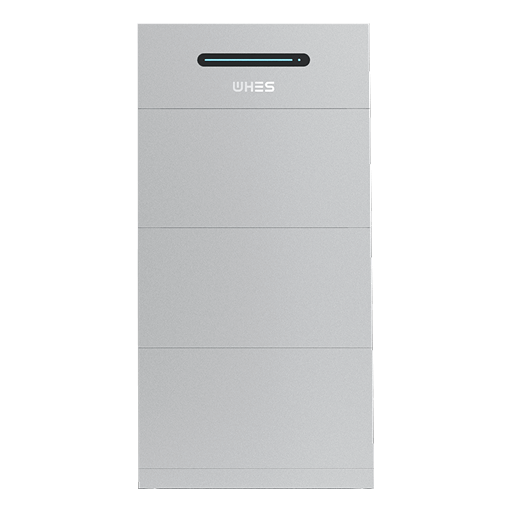
If you want a practical partner that blends monitoring, thermal control, and service—so your SoH and cycle-life expectations match real-world performance—solutions from WHES often align with that balanced approach. —