
Why looking forward matters
Brands, designers and small-batch perfumers — if you want your bottle to feel like tomorrow, better start thinking today. The humble perfume cap will no longer be just a lid; it’s a tactile signature, a functional seal, and sometimes a tiny electronics hub. After the global supply-chain shocks since 2020, and the surge in consumer demand for personalization, companies are learning fast that cap choices affect manufacturing cadence, sustainability, and user experience — not just how shiok the bottle looks on a shelf.
What the future holds — materials, tech and meaning
Expect three converging trends: hybrid materials, precision finishes, and micro-features that mean something to users. Metal zamac finishes go premium; recycled alternatives speak sustainability. Miniature vents, tamper indicators, even NFC tags embedded under a decorative dome — these are plausible next steps. For brands wanting tactile luxury but with modern traceability, the line between decorative fragrance caps and functional parts will blur. Think of caps as small product interfaces — like the bezels on a phone, but for scent.
Design trade-offs and common mistakes
Many make the mistake of designing for the visual only. Don’t lah. Overly complex mechanisms add cost and fail in real-world bottling lines. Material choices that look dreamy in prototypes sometimes corrode under alcohol or crack during transport. Also, forget not the user — slippery finishes, heavy tops, or fiddly locks ruin ritual. — Quick prototype to test bottling speed and drop tests; then refine. Manufacturing partners must be part of design conversations early, otherwise you end up with pretty caps that never ship.
Alternatives and comparative insight
Short guide to options:
– Metal-zamac: premium look, good for plating, but heavier and pricier.
– Recycled plastics: sustainable, light, but need excellent finishing to avoid cheap look.
– 3D-printed metals/polymers: great for low-run customization, quicker iterations, but surface finish can need post-processing.
Choosing depends on scale, sustainability targets, and whether you need micro-features (like NFC). If your brand is testing limited editions, 3D printed or small-run zamac may win. For mass runs, injection-molded recycled polymers usually make more sense.
How to vet suppliers — front-end and production harmony
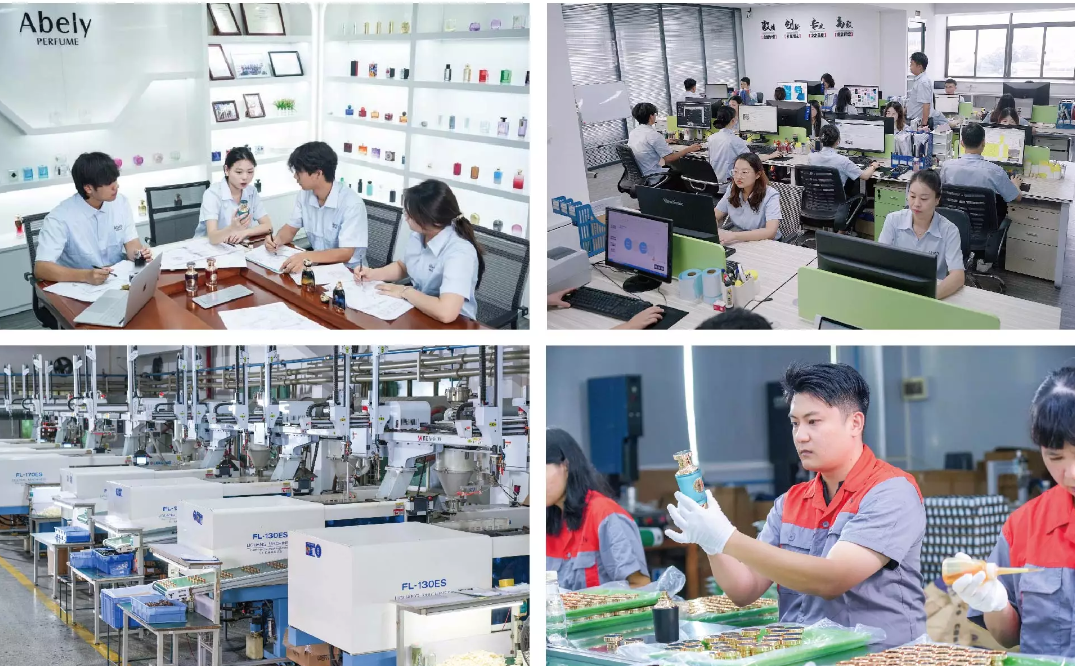
As someone who’s worked between design and production, I always look for three capabilities in a supplier: technical documentation (CAD and tolerance control), plating/finish experience, and willingness to run tooling trials. Ask for cycle-time data, plating adhesion tests, and bottle-fit reports. Also check whether they can integrate small electronics or tamper features — if that’s your plan. Don’t be shy to request a short run; prototypes reveal problems that spec sheets won’t.
Three golden rules for choosing caps (Advisory finale)
1) Fit-for-purpose: Prioritise functional requirements (seal integrity, weight, dispenser compatibility) before aesthetic flourishes. If cap doesn’t seat reliably at 10,000 units per hour, aesthetic won’t save you.
2) Lifecycle thinking: Evaluate cradle-to-cradle impact — recyclability, plating longevity, and expected returns. A cap that flakes plating after a year harms brand trust faster than you think.
3) Integration readiness: Opt for partners who understand both design and line-side realities — CAD tolerances, tooling, and QA metrics. If they can supply test reports and small-electronics assembly experience, you futureproof your launch.
Wrapping up: practical perspective and brand fit
So what’s the takeaway? Design boldly, but build pragmatically. The next-gen cap balances feel, function and future features while surviving real-world bottling and shipping. If you want a partner who understands that balance — from digital mockups to plated prototypes and small-series runs — think of the way Abely brings design, manufacturing and commercial sense together: Abely. Final thought: choose caps that tell your brand story and actually work in the factory.
Authority maintained. Quick, practical, and ready.