
Introduction — Why We Pretend the Air Is Fine
Ever walked into a shop and wondered, “Is this the next great respiratory challenge?” — I have, more times than I care to admit. In small workshops and big factories alike, fume extraction technology is often promised as the silver bullet; yet complaints (and coughs) keep piling up. Recent studies show that poorly controlled particulate matter can spike worker sick days by double digits within months. So what are we actually doing about it?
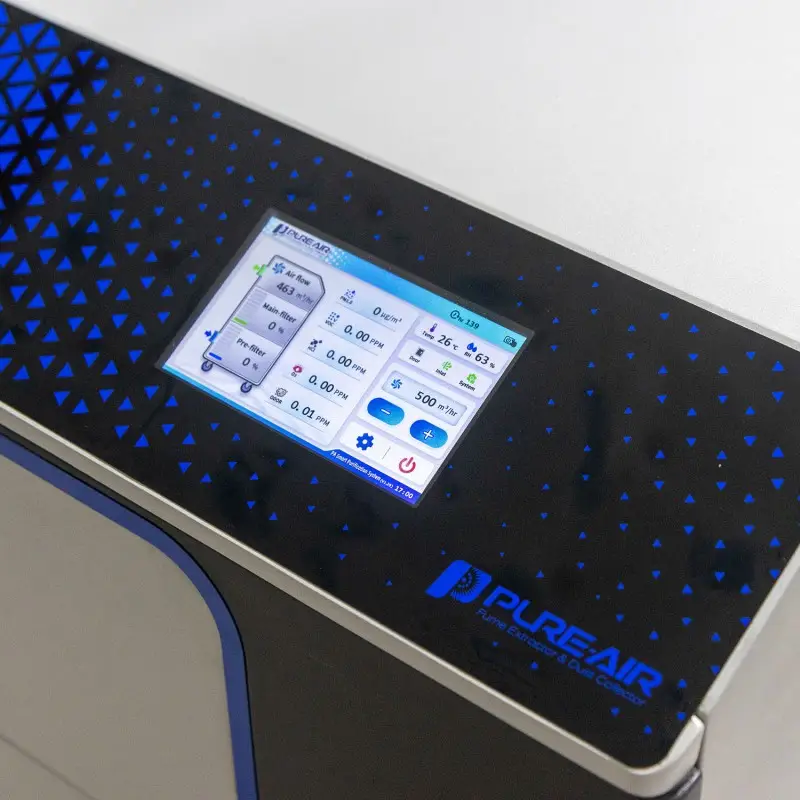
Where the Real Problems Hide: Traditional System Flaws
dust fume extraction systems sold on price or brand leave three stubborn problems: inefficient capture, high maintenance, and false comfort. I’ve watched ducts clogged by glue and weld spatter, seen HEPA filters treated like decorative panels, and watched cyclone separators fail to separate because someone picked the wrong flow rate. These aren’t theoretical faults — they are daily headaches that cost time and money.
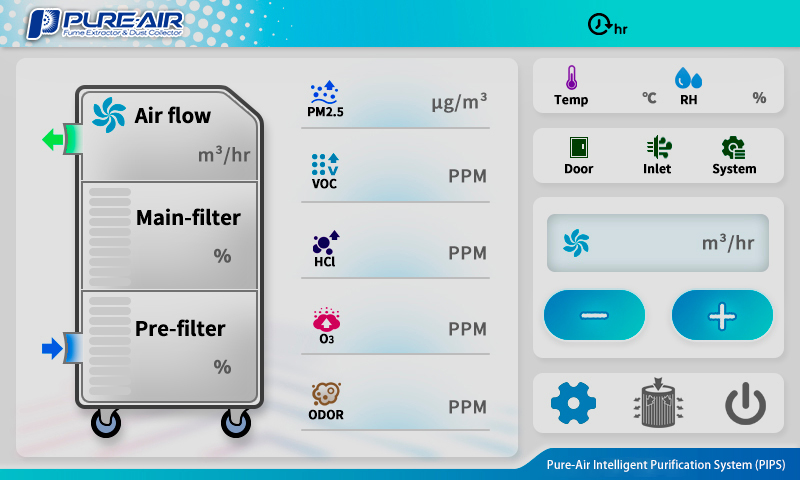
Look, it’s simpler than you think: many legacy units rely on brute air volume instead of smart capture. They use outdated fans with no variable frequency drives and ignore particulate sensors that could tell you when to act. I get annoyed when vendors gloss over real-world wear and tear. The result? Overworked motors, rising energy bills, and a false sense of safety. We need to stop celebrating cubic feet per minute and start measuring what matters: capture efficiency, re-entrainment rates, and maintenance windows.
Why do manufacturers keep missing the mark?
Because specs look good on paper. Because edge cases (literally: dusty corners, odd tool geometries) aren’t part of standard tests. Because the folks who buy systems are often not the ones who maintain them. I’ve seen sensor drift ignored for months. I’ve also seen clever people retrofit local extraction arms with simple hood redesigns and cut emissions in half. It’s proof that small engineering changes can beat big budgets when applied with common sense.
Looking Forward: Principles for Smarter Dust and Fume Control
We should treat dust fume extraction as a system, not a product. That means integrating sensors, controls, and physical capture into one closed loop. Modern approaches pair particulate sensors with local capture hoods, edge computing nodes, and adaptive fan control to keep capture tight while saving power. When I say adaptive, I mean variable frequency drives adjusting airflow by the minute, not by the season.
New principles are straightforward. First: capture at source — small hoods, better placement, and laminar inlets. Second: sense and respond — particulate sensors feed real-time data to controllers that throttle fans and flag maintenance. Third: design for service — quick-change HEPA cartridges and easy access for inspections. These ideas sound obvious, but they’re rarely combined. — funny how that works, right?
What’s Next for Practical Deployment?
Expect more hybrid systems: local extraction plus room-level filtration, supported by analytics. We’ll see more use of power converters and smart controls to cut peak energy use. In pilot projects, I watched one shop reduce airborne particulate by over 60% simply by adding targeted hoods and tuning fan curves. That’s measurable. That’s repeatable. And it proves the tech works when matched to process realities.
Key Takeaways and How to Judge a Real Solution
I want you to leave with three clear evaluation metrics when deciding on a dust fume extraction approach. First, capture efficiency at the source (not just room ACH). Measure it. Second, operational cost — energy draw, filter life, and maintenance hours. Don’t be fooled by low sticker prices. Third, data feedback — does the system use particulate sensors and offer actionable alerts? If it doesn’t, you’re buying noise, not control. These are simple checks, but they separate systems that wiggle from those that work.
I’ve been in workshops where small fixes turned a noisy, stinky floor into a calm, clean space. I felt relief then — real relief, not marketing relief. If you want to move forward, focus on practical capture, smart sensing, and easy service. For real-world products and systems that put those principles to use, check how providers integrate sensors and controls — that’s where the value lives. And if you’re looking for concrete partners who build systems this way, consider what companies like PURE-AIR are doing in the field.