
Setting the Scene: Quick Power Moves That Actually Work
I’ll start simple. A battery at your site is a tool that catches high grid spikes before they bite your bill. Commercial energy storage systems sit close to your meter and react in seconds—sometimes faster than the flicker you see on a shop floor light (yes, that fast). I first learned this on a hot Friday in July 2019 at a Newark cold store when a forklift surge slammed the peak. The meter jumped; our log showed a 1.8 MW blip in under a minute. That jump carried a 30% demand charge penalty for the month. Ouch.
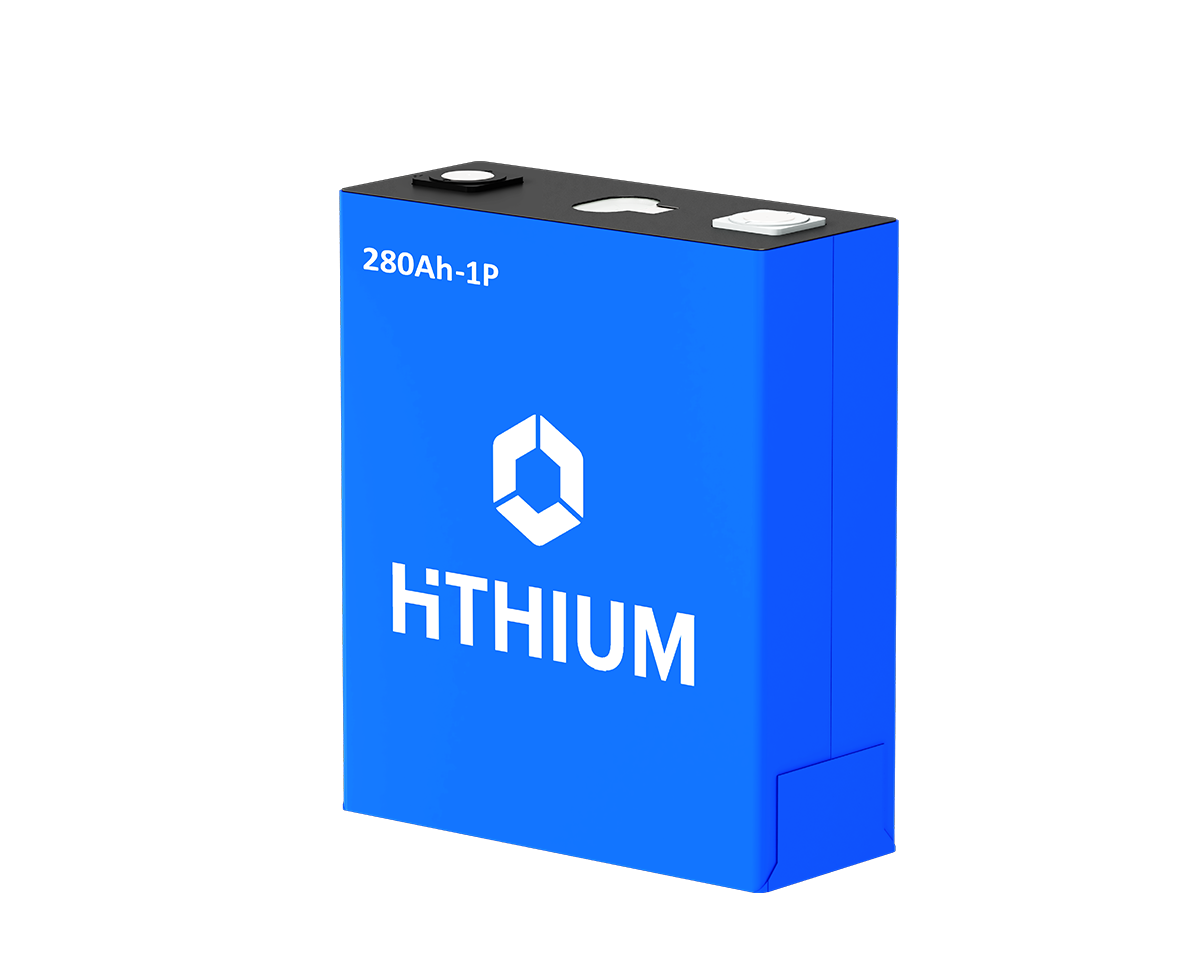
Now, let’s keep it light and true. I’ve spent over 15 years building and buying these systems for retail hubs, logistics yards, and small factories. We used them to trim demand, steady power, and keep doors open when the grid shook. In one Fresno distribution center, a 1.2 MW / 2.4 MWh LFP container cut first-year demand charges by 28%—from about $335k to $241k—while smoothing a cranky 480 V service. The question that matters is small and sharp: what choices get you faster, safer gains without surprise downtime? Good—let’s stack the options side by side and see what sticks.
Under the Hood: Why Old Fixes Fall Short (and Where Costs Hide)
What breaks first in the field?
Here’s the direct take. A modern industrial and commercial energy storage system outpaces old setups because it solves timing and control, not just energy. Diesel gensets miss peak shaving because they ramp slow and hate starts. Lead-acid banks sag under high C-rate, so your power converters throttle and your “savings” get cut. Fixed discharge schedules look tidy on paper but miss the 4:30 p.m. spike when the chiller and forklift chargers overlap. I’ve watched a neat hourly schedule fail in a New Jersey bakery in March 2021—the spike came at 4:42 p.m., not 5:00, and the meter stamped a new max demand. Ten minutes cost thousands.
Hidden pain points stack up. Undersized feeder capacity strangles output, so your PCS can’t hit the setpoint. A Battery Management System (BMS) with conservative limits derates under heat, and you only notice when the HVAC load rises. Sites forget UL 9540A-driven spacing, then lose weeks reworking layouts. And commissioning without SCADA tags mapped cleanly? You chase ghosts for days. Look, it’s simpler than you think: match power (kW) to the shortest, meanest spike; match energy (kWh) to your longest ride-through; then weld the two with a controller that sees the meter in real time. Do this and your peak shaving, frequency response, and backup logic stop tripping over each other—finally.
Next Moves: New Principles, Real Numbers, and a Clearer Path
What’s Next
Let’s go forward and get specific. The new backbone is LFP cabinets with higher continuous C-rate, grid-forming inverters, and dispatch rules tied to meter data at 1-second resolution—no guesswork. When we upgraded a Phoenix cross-dock in August 2022, the site used a 1.5 MW / 3 MWh array, AC-coupled to a 400 kW PV roof. The controller ran an edge computing node that forecast the next 15 minutes with load ramps from chiller starts and charger sessions. During the Southwest heat alerts that month, we shaved three separate 1.6–1.9 MW bursts down to 1.2 MW. The result: a 22% drop in demand charges and $64,000 in event revenue from a local capacity program. I caught myself grinning—watching the trace flatten never gets old.

Here’s the comparative insight I keep returning to. A containerized industrial and commercial energy storage system beats a room-built bank when fire code, timeline, and UL 9540A evidence matter. AC-coupled wins when you retrofit on a tight 480 V service and need clean isolation. DC-coupled can shine with large PV when you chase round-trip efficiency and want fewer conversion losses. Grid-forming inverters steady weak feeders and help during transfer events, while classic grid-following units are fine for simple peak shaving. And dispatch logic that targets both demand spikes and TOU windows unlocks more hours without burning cycles pointlessly—small change, big impact.
Before we wrap, three field-tested metrics I insist on when choosing a system: – Power honesty under heat: delivered kW at 40°C, 15-minute sustained, not just nameplate.- Usable energy at 1C: kWh from 90% to 10% SOC with the actual BMS limits applied—no fairy dust.- Response time: milliseconds to 90% output after a step load, measured at the terminals, with the PCS online. If a vendor can’t show these, I walk. If they can, we’re already halfway to a quiet meter and a calmer month-end bill. And yes, I prefer solutions that document the test conditions, the feeder rating, and the fire suppression class—for example, clean-agent systems sized to the cabinet volume—because that’s where projects stay on schedule and inside budget. For a steady, well-documented path in this space, I keep an eye on HiTHIUM.