
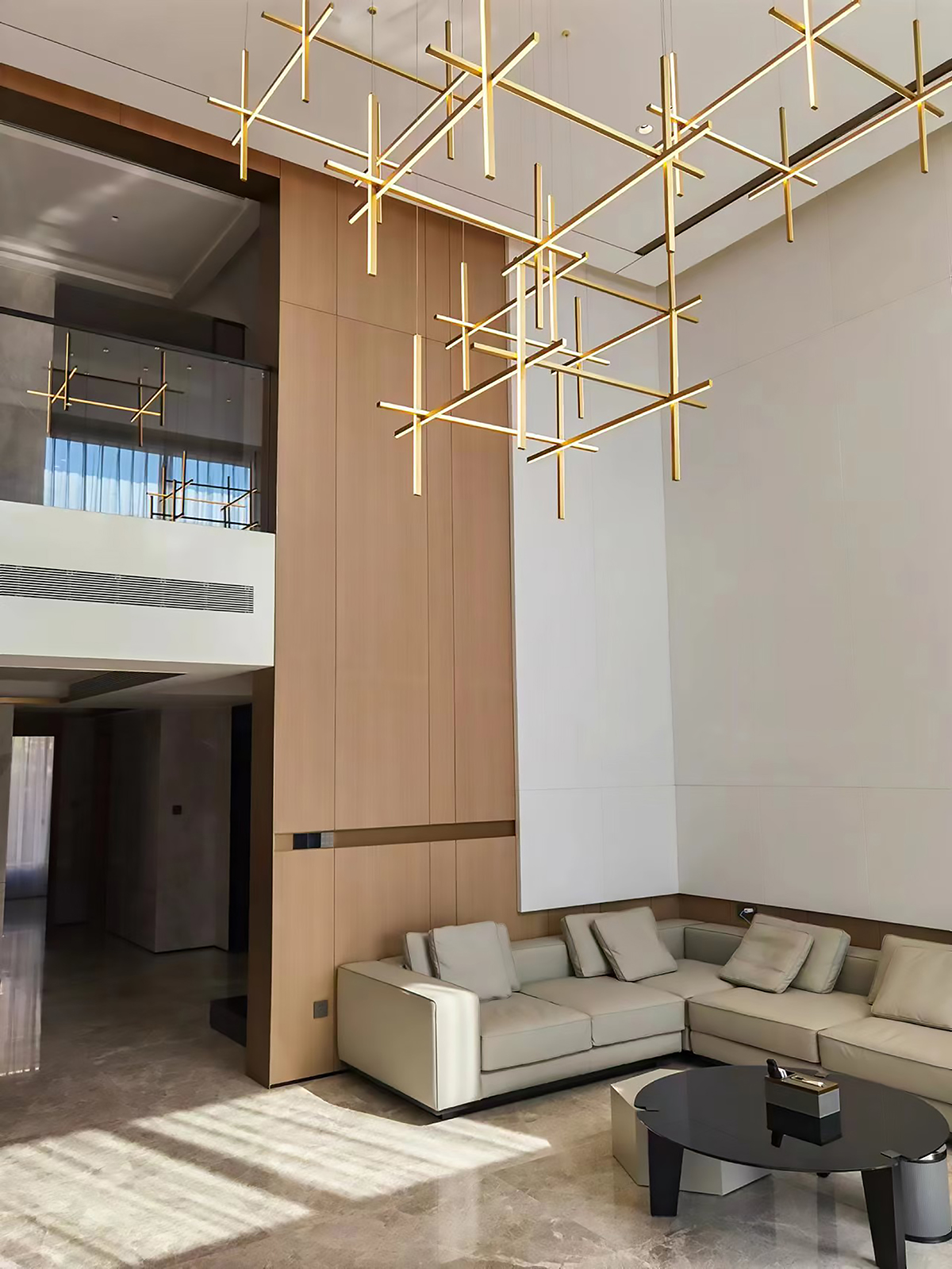
Setting the Baseline: What Changes When Light Is Designed Around the Space
Define the goal first: light that works as hard as the room. A bespoke lighting company can turn that aim into a methodical build. In real projects, most delays come from clashes between fixture size, ceiling services, and control topology—small things that stack up. Yet LED engines now offer tight lumen output control, efficient power converters, and stable dimming curves. Data from recent hospitality rollouts shows double-digit energy gains and fewer call-backs after handover. Still, one question persists: can custom pendants scale without chaos? The answer depends on how you specify drivers, optics, and mounting mechanics (and who manages the interfaces). If teams agree on how the bodies, drivers, and control nodes speak, the risk drops fast—funny how that works, right? So we look at performance, not just style. We track CRI, glare rating, weight, and service access. Then we ask if the system plays well with the building’s backbone. This is the quiet work that keeps a lobby bright and a restaurant calm. Ready to see where typical plans fall short—and how to fix them? Let’s move to the tension behind the pretty pictures.
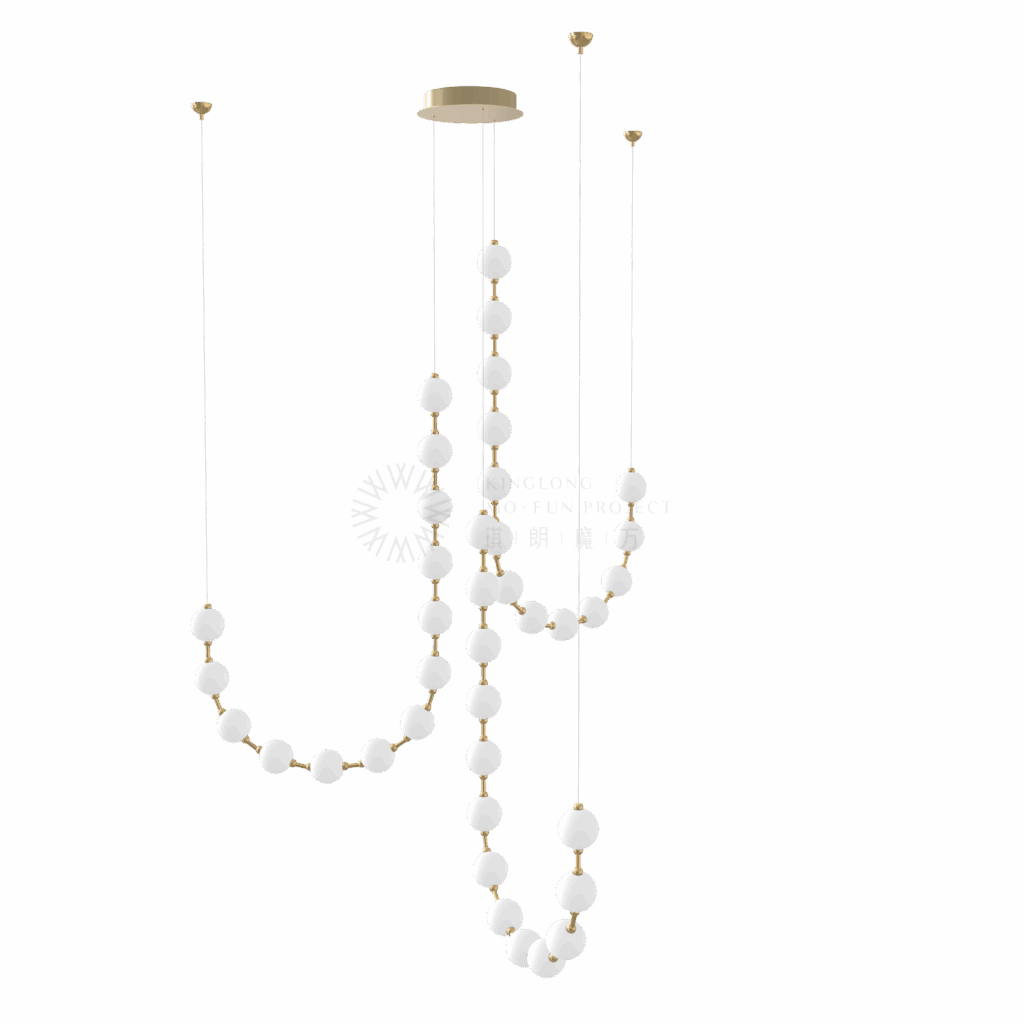
The Quiet Friction: Why Beautiful Pendants Still Strain Projects
What’s the real snag?
The problem is not the shade. It is the chain of parts behind it. With bespoke pendant lighting, buyers often face hidden load limits, long lead-time drivers, and unclear site access for maintenance. Scenes feel off because dimming drivers from mixed vendors do not sync. CRI can look fine on paper but shift under a warm dim curve. Thermal management gets ignored until the room runs hot. Then fixtures derate. Or buzz. Look, it’s simpler than you think: define power, control, and service paths first, not last. Use one protocol end-to-end—DMX512 or DALI-2—and test it with your BMS before ceiling close.
Traditional fixes miss user pain. Staff need fast lamp access and clear tags. Guests need low glare, no flicker, and clean color. Facility teams need swap-friendly drivers, not orphan SKUs. When power converters sit too far from the pendant, voltage drop hurts lumen output. When they sit too close, heat climbs. Both hurt life. Procurement often optimizes cost per unit, not total system runtime—right when deadlines hit. Better briefs set weight limits per point, define emergency paths, and cap commissioning steps. The result is less rework and scenes that hold day after day.
Comparative Insight: New Principles That Quiet the Noise
What’s Next
Forward-looking systems treat the pendant as a smart node, not a pretty shell. Drivers with NFC programming and DALI-2 let teams tune current, curve, and trim at the edge. Add small edge computing nodes for occupancy and daylight logic; this keeps scenes stable even if the backbone stalls. Pair warm-dim engines with calibrated optics to hold color as you fade. Place drivers in a ventilated canopy or remote box with measured thermal headroom. Now compare that to old builds: mismatched drivers, manual trim, and guesswork. The new stack wins on repeatability. It also cuts call-backs.
Case in point: a dining hall refit that shifted from mixed controls to a single bus, plus labeled quick-connects and test ports. Commissioning time dropped, and error logs fell near zero. When teams moved to modular canopies, swaps took minutes, not hours. Even better, the design language held across sizes. You can take the same ideas into bespoke interior lighting for corridors, lounges, and suites—different scales, same logic. The lesson is clear: specify the control spine, thermal path, and service story first—and style follows. Small tweaks add up. Big headaches fade—yes, it matters.
Advisory close: choose with metrics, not hunches. First, verify optical quality: CRI or TM‑30 (Rf/Rg) under the exact dim curve you plan. Second, check system efficiency and heat: driver efficacy, ambient limits, and real thermal rise in situ. Third, measure commissioning load: protocol uniformity, address schemes, and time-to-trim per scene. If a solution scores well on these three, it will look good on day one and day 1,000. For teams seeking a steady partner in this approach, see kinglong.