
Introduction — A Slightly Sardonic Prelude
Have you ever smiled politely at a humming machine and wondered if it was plotting its next stall? I ask because the small print of daily operations often hides messy truths: a single motor glitch can ripple into hours of downtime and lost orders. The motor controller sits at the heart of that drama (yes, the one you rarely praise), and recent data shows that factories report up to 20% of minor production halts tied to control issues — so what gives?
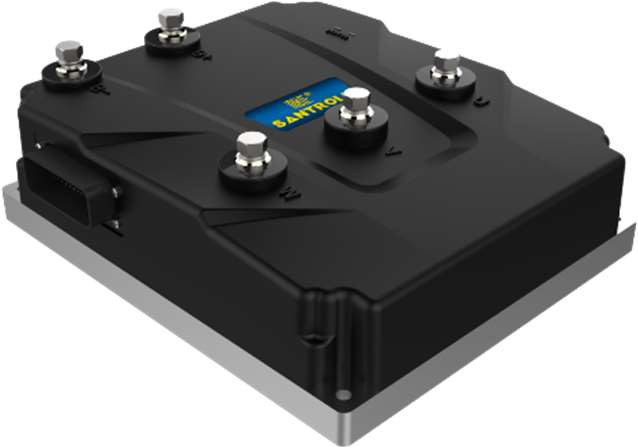
I’ll be frank: I enjoy poking at assumptions. Here, I’ll combine a short scenario — a mid-sized workshop where a conveyor slows unexpectedly — with numbers and a question that matters: can smarter control logic actually reduce those stoppages? The setup is intentionally polite; we will, after all, be severe critics. Let’s move from polite chuckles to the real nitty-gritty, shall we?
Peeling Back the Layers: Why Old Fixes Miss the Mark
Now let’s get technical. When I look at an ac motor speed controller, I don’t just see hardware — I see decades of patchwork solutions. Traditional approaches rely on crude feedback loops and fixed ramps. That used to be fine, until variable loads and tighter tolerances became the norm. In plain terms: the controller often lags the problem. PWM limitations, rough torque handling, and simple thermal cutouts make the system reactive, not predictive. Look, it’s simpler than you think — a control board reacting after the event is like locking the barn after the horse has left.
Why does this still happen?
There are two main flaws I keep running into. First, many systems treat the motor as a single, isolated element and ignore the system context — conveyor inertia, intermittent jams, or supply voltage dips. Second, maintenance culture historically leans on manual fixes: replace a worn bearing, adjust tension, hope for the best. Both fail when you need smooth, repeatable performance. The result: recurring small failures that eat at throughput and morale. I’ve seen teams chasing alarms while the real fault (a poorly tuned controller) sits untouched.
Looking Forward: Principles for Better Electric Motor Control
What comes next is less about band-aids and more about principles. I advocate a layered approach to modern electric motor solutions: smarter sensing at the edge, adaptive control loops, and a clearer link between control decisions and mechanical realities. By “smarter sensing,” I mean using better current sensing, simpler torque estimation, and timely status feeds so the controller can act before a stall. That requires modest compute at the edge — not huge servers, just sensible edge computing nodes — and an architecture that values response time over flashy dashboards.
What’s Next — Practical Steps?
First: integrate accurate sensors and tune control modes like field-oriented control where it matters. Second: move from fixed thresholds to adaptive profiles that learn load patterns. Third: ensure power converters and inverters are matched to the motor and duty cycle. These changes trim hiccups and reduce human fire-fighting — funny how that works, right? Implementation is not instant, but the payoff in uptime and predictability is measurable.
Three Metrics I Use When Choosing a Motor Control Solution
I’ll leave you with three things I check every time I evaluate a solution: responsiveness (how quickly the controller reacts to load changes), observability (how much real, usable data it delivers without noise), and configurability (how easy it is to map control behavior to the machine’s real tasks). Score high on those, and you’ll avoid chasing symptoms. Score low, and expect repeated visits from that polite little humming problem.
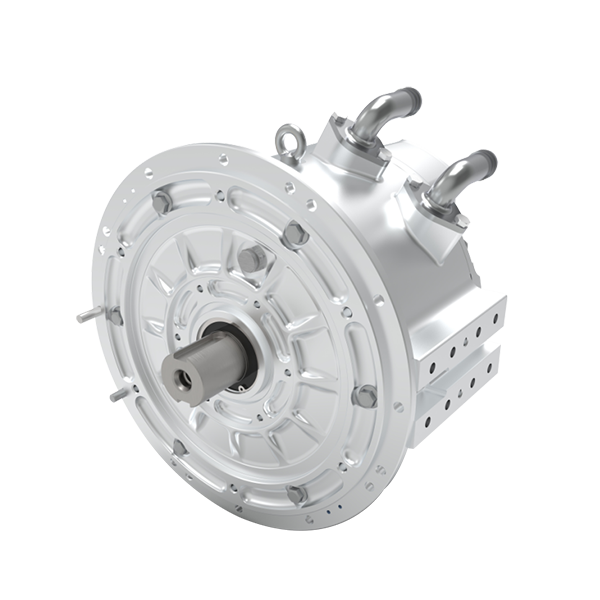
We’ve walked from a wry scenario to specific fixes and practical measures. I’ve shared what I’ve learned, what bugs me, and what I now trust to keep lines moving. For anyone ready to move beyond guesswork, consider solutions that tie sensing, control, and power together — then tune them to real use. For further reference or hardware options, see Santroll: Santroll.