
Introduction: Define the Ride Before You Chase the Rush
You plan a Friday run out of the city, a quick coastal loop, and a late return. In that moment, a muscle cruiser promises calm power and confident posture. The term points to big torque at low revs, stretched geometry, and a relaxed seat-to-peg triangle. Here is the core idea: fit, thermal control, and response timing shape your day more than raw peak horsepower. On paper, two bikes can look “equal.” On the road, the torque curve, rake and trail, and brake feel decide how your wrists, back, and focus hold up across hours. After 120 minutes, small setup errors get loud; a hot rear cylinder can roast your thigh, or a heavy clutch can turn stop‑and‑go into strain. Data shows up as time, temperature, and mental bandwidth, not just numbers on a brochure. So the question is simple: how do you measure ride quality you can actually feel, in a way you can repeat (and trust)? We will compare the usual spec-sheet habits to what riders actually sense. Then we will turn that into a short, clear method for better choices—no drama, just useful checks. Let’s move to where the spec sheet starts to blur.

Where Spec Sheets Hide the Real Story
Why do spec-sheet wins mislead?
Many shoppers search for the “best” on lists of top muscle cruisers. That is fair. But hidden pain points sit behind the bold numbers. Look, it’s simpler than you think. The first trap is peak power. Street riding lives between 2,000 and 5,000 rpm. If a bike’s torque curve is soft there, roll‑on passes feel lazy even if the brochure shouts big horsepower. The second trap is heat. Cylinder placement and fairing shape can push hot air onto your knee. After 30 minutes in traffic, this becomes the only thing you think about—funny how that works, right? Third, control effort. A heavy clutch or long-throw throttle makes urban miles harder than highway miles. These things are not flashy, but they change your day.
Then there is response timing. ECU mapping can smooth or snap the first 5% of throttle. On a muscle cruiser, that first bite decides low‑speed balance in a parking lot. Chassis geometry matters too. Rake and trail set how the bike tracks on rough pavement and how it settles in sweepers. Add brakes. Initial bite and ABS modulation shape confidence on poor surfaces. Even the power‑to‑weight ratio reads wrong if gearing is too tall for city speeds. The lesson: what you feel most is not a single number but a stack of small interactions. When stacked well, you ride longer with less effort. When stacked poorly, you fight the machine.
Beyond Today: Tech That Changes the Ride
What’s Next
New technology principles are rewriting these “feel” factors. Modern ride‑by‑wire maps let the ECU act like an edge computing node, blending IMU data, throttle input, and wheel speeds in milliseconds. On some muscle cruiser motorcycles, the CAN bus ties traction control, ABS, and engine braking into one loop. The output is not mystery. It is smoother low‑rpm torque delivery, better idle stability, and cleaner roll‑on while leaned. Thermal load also improves. Directed airflow, denser radiators, and smarter fan curves reduce heat soak near the rider. Even charging headroom is up. Stronger stators and DC‑DC power converters keep accessories stable at idle, so your heated gear does not dim the lights—small detail, big comfort.
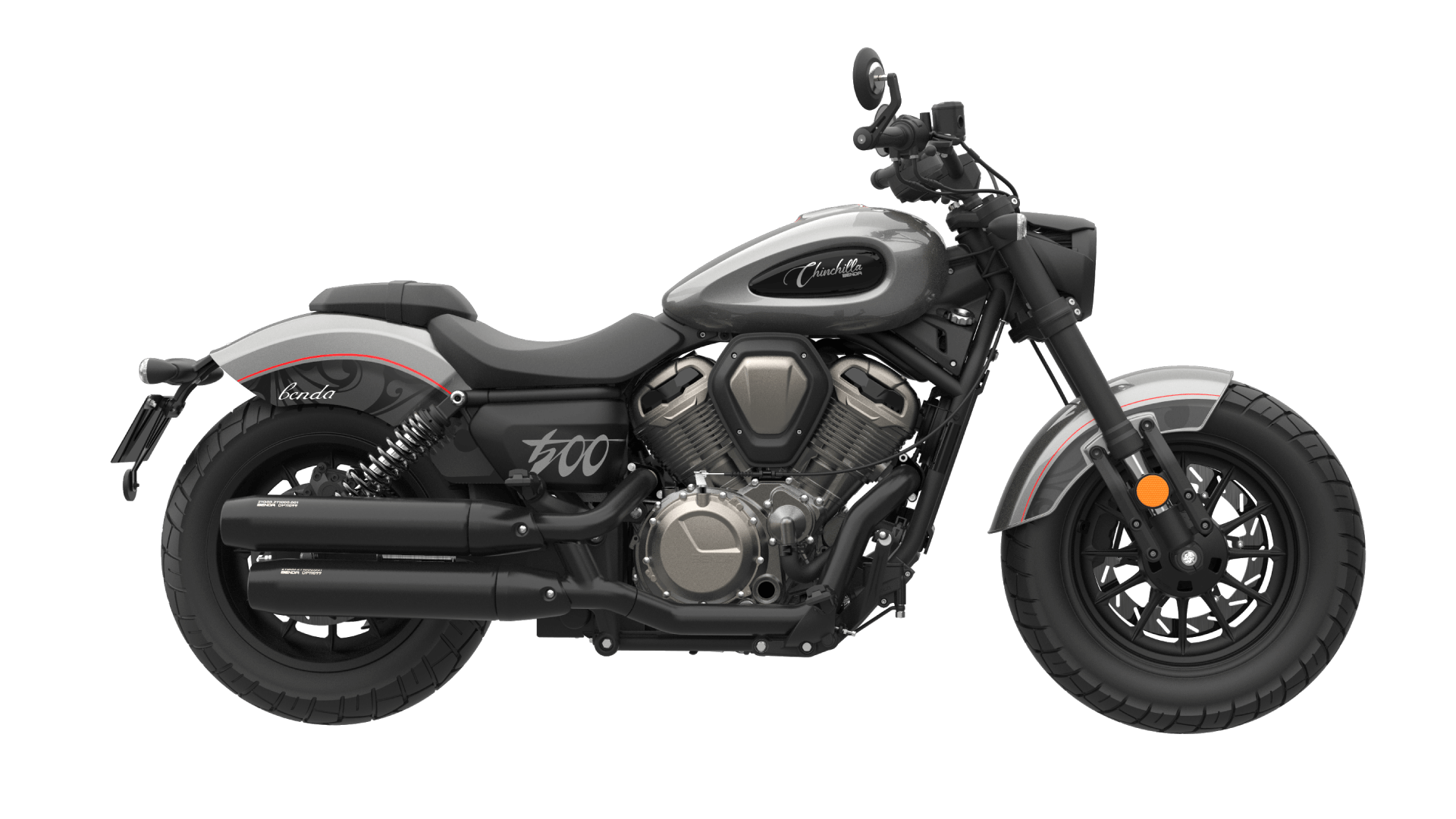
Comparatively, older bikes rely on fixed maps and crude enrichment. They feel blunt. A newer system shapes the delivery, not just the maximum. That means fewer mid‑corner jolts, calmer wrists, and better slow‑speed control. Semi‑active damping is entering this space, too, with valves adjusting in real time to loading changes. Result: less pitch under braking and better support over sharp bumps. This is not hype; it is control theory meeting road texture— and yes, it matters. In short, the next gain does not come from chasing more peak numbers. It comes from matching human inputs to machine outputs with more precision, under more conditions.
How to Decide: Three Metrics That Cut Through Noise
We have seen that comfort and control emerge from the mix, not a single stat. Use these three checks to compare contenders and get measurable results. First, low‑rpm roll‑on repeatability: from 40 to 60 mph in top gear, time three passes and note variance. Stable times show a supportive torque curve and sensible gearing. Second, thermal proximity: after 30 minutes in mixed traffic, measure surface temps near your inner knee and right calf; under 50°C with fans cycling signals effective airflow and heat management. Third, ergonomic load: with normal posture, check seat‑to‑peg angle and bar reach, then ride 20 minutes of stops and U‑turns; look for relaxed wrists and no forearm pump. Add notes on ABS feel and initial brake bite. These simple tests make the decision clearer, faster, and kinder to your body. When you line them up side by side, the right choice usually speaks first. For broader context and future updates, keep an eye on BENDA.