
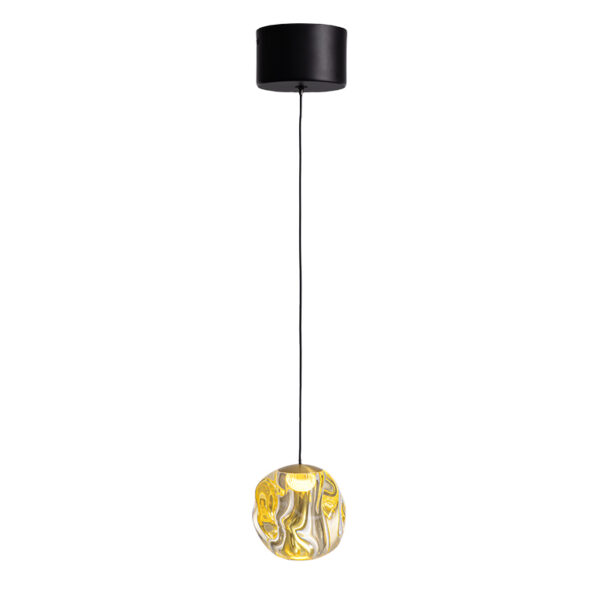
Introduction: What “Small” Really Means in Bathroom Pendants
In lighting design, “small” is not just a size; it’s a balance of volume, light output, and safety zones. A pendant light company navigates that balance every day, from drivers to seals to optics. When people search for small pendant lights for bathroom, they expect charm, but what they need is controlled light, safe operation, and reliable materials in humidity. Picture a fogged mirror at 7 a.m., a narrow vanity, and damp air clinging to every surface—common, and tricky. Guidance calls for 300–500 lux at the mirror plane; many homes hit half that after steam and reflection loss. IP44 or better is advised near water zones, yet some fixtures ignore splash angles and gaskets. Look, it’s simpler than you think, but only if we respect the system.
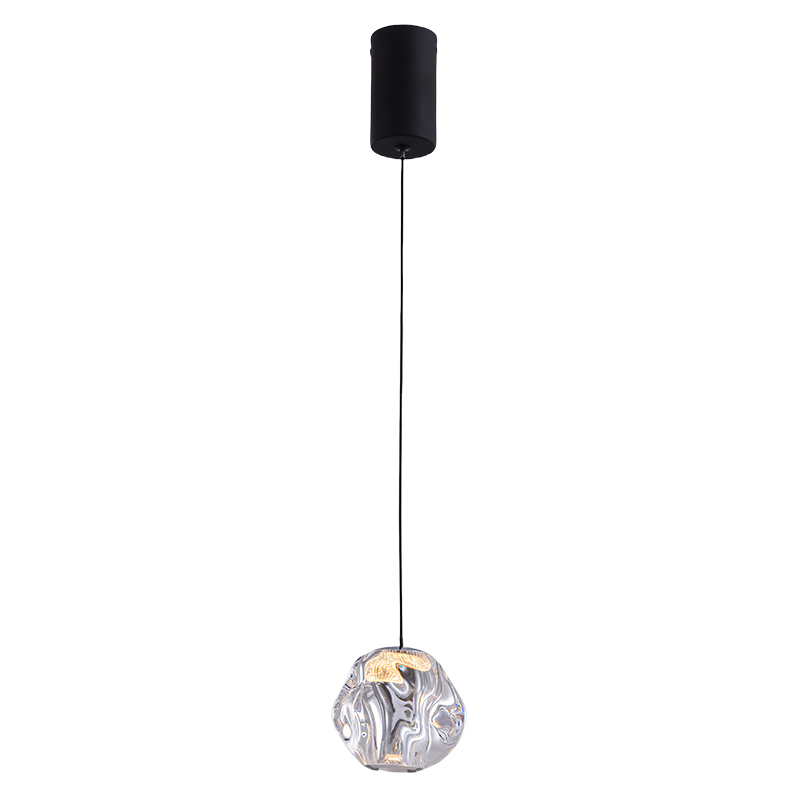
Traditional “mini” pendants often miss hidden pain points. Shallow canopies leave no room for robust power converters. Glare creeps in because the beam angle is too wide for a tight space. A low-CRI source flattens skin tones, which matters for grooming. And budget drivers buzz on triac dimmers—annoying, and unsafe if heat builds at the ceiling. The question is clear: are we fitting a small object, or engineering a small, sealed system for wet environments? (There’s a difference.) Let’s step past décor and talk performance—then compare what actually works next.
From Static Fixtures to Smart Pendants: What’s Changing
What’s Next
Forward-looking bathroom pendants are compact systems built around new LED principles. First: sealed, thermally managed modules. A tight heat sink and conformal-coated board keep moisture out and lumen output stable. Second: tuned optics. A micro-prismatic diffuser or shallow reflector narrows spill and cuts glare, giving you target light without hot spots. Third: resilient electronics. Isolated constant-current drivers with low ripple and wide dimming curves (PWM or CCR) handle tight spaces and low wattage without flicker. Even better, low-voltage options with safe power converters allow remote mounting outside the damp zone—less heat overhead, quieter ceilings. Compare this to old halogen minis that ran hot, faded finishes, and failed fast after a few steamy winters—night and day.
Controls now sit closer to the room’s needs. BLE mesh or simple edge nodes can read occupancy or humidity, ramping light when mirrors fog (and easing off when daylight takes over). That same compact optical engine can scale across rooms; it’s why a bathroom pendant platform can also inform the design of best bedside pendant lights—different scene, same precision. Materials matter, too: silicone gaskets, corrosion-resistant finishes, and IP44–IP65 builds offer predictable service life. The comparative takeaway: prioritize photometrics and sealing over ornament, and you’ll get better color (CRI 90+), cleaner shadows, and fewer callbacks. Old habits cost more than new parts—funny how that works, right?
Choosing Wisely: A Short Checklist
We covered how “small” can hide real risks, and how compact systems fix them. Now, evaluate with three metrics. 1) Environmental safety: match the bathroom zone to the fixture’s IP rating, verify gasket design, and confirm thermal dissipation at the canopy. 2) Light quality: ask for photometric files, target 300–500 lux at the task plane, CRI 90+, and a controlled beam angle to limit glare near mirrors. 3) Electrical integrity: specify isolated constant-current drivers, low flicker at dimmed levels, and dimmer compatibility documented by the maker—DALI-2 or well-tested phase dimming. Add corrosion resistance and sealed hardware, and you’ll extend life while keeping finishes clean. This is a practical way to compare options—technical, but calm—and yes, it matters. For teams building or selecting systems, these checks turn small pendants into reliable tools for daily life. Learn more at kinglong.