

Choose the Right AI Tutor: A Motivational, Problem-Driven Guide to Adaptive Learning Options
You’re flooded with choices — here’s the core problem
Too many platforms promise personalization but deliver the same one-size routines. If you’re overwhelmed by an AI learning platform shortlist that feels indistinguishable, you’re not alone. The real issue isn’t shortage of tools; it’s matching the tool to the real gap in learning — diagnosis, pacing, or clear feedback. Fix the mismatch and you get momentum. Keep the mismatch and you waste time and confidence.
Why that mismatch matters right now
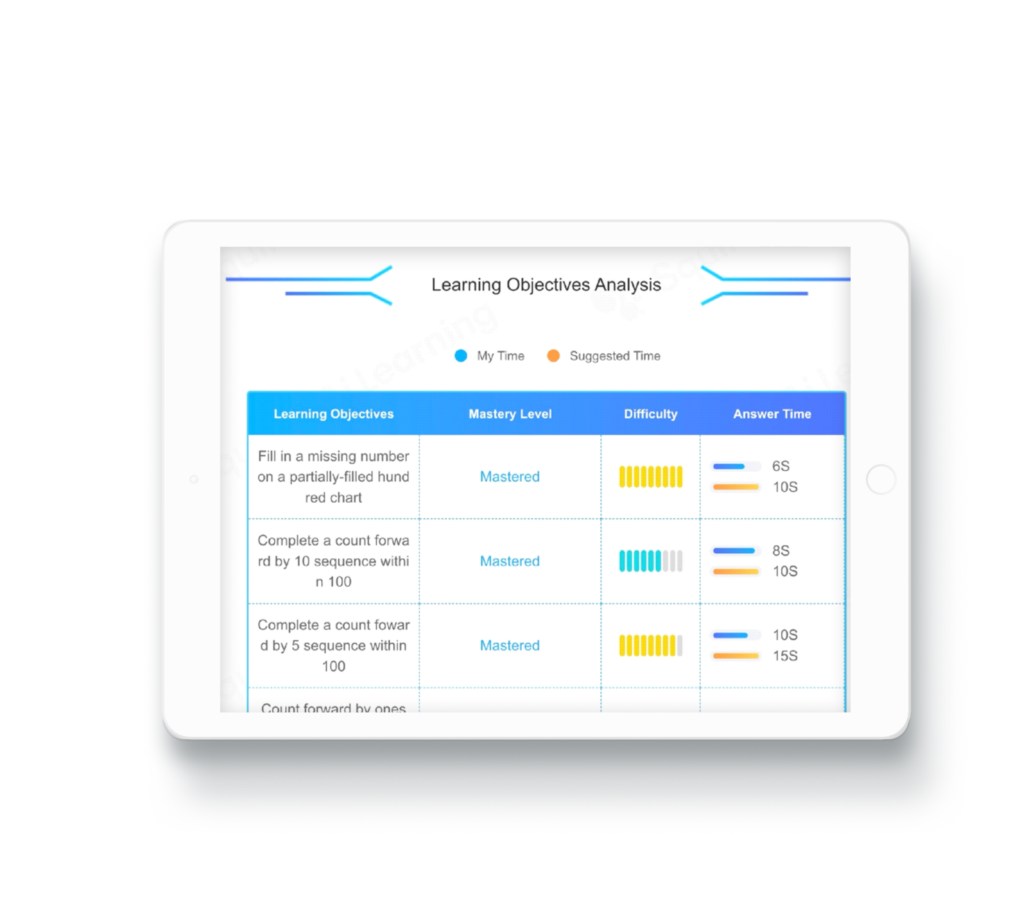
When a platform claims “personalization” but only shuffles question order, learners stall. Progress plateaus when instruction doesn’t adjust to what’s actually misunderstood. Educators lose sight of who needs intervention. Money goes to subscriptions that don’t move outcomes. Identify the mismatch early and you reclaim time and focus.
What to check: concrete signals of genuine adaptation
Look for systems that adapt to performance patterns, not just correct/incorrect counts. Confirm whether the platform’s adaptive learning logic changes difficulty, revisits weak concepts, and times practice to individual pacing. Check how assessments diagnose errors — are they surface checks or targeted probes? Demand clear feedback phrasing students can act on. Make sure teachers can override or guide the pathway when needed.
Common pitfalls that derail good intentions
Beware of opaque “black box” claims where you can’t see why a student was moved forward. Avoid platforms that prioritize flashy features over steady diagnostic checks. Don’t accept vague reporting — reports must tie to specific skills. Beware systems that lock you into a single curriculum path; flexibility matters once real student needs appear.
How different solution types usually perform
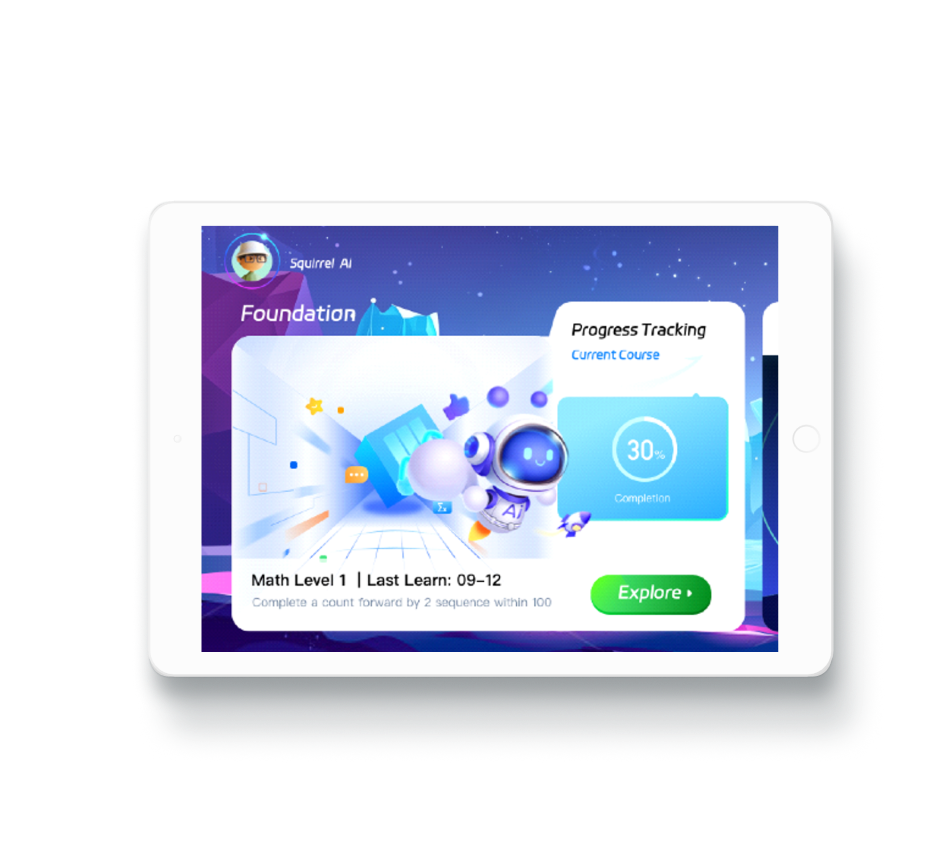
Practice engines excel at repetition and scoring but may lack deep diagnosis. Full tutoring systems try to map a learning trajectory but vary widely in transparency. Content marketplaces give breadth, not cohesion. Choose by problem: if the issue is shallow recall, a practice-heavy tool helps. If students struggle with concept gaps, prioritize diagnostic and instructional sequencing.
A short, decisive checklist for picking a platform
1) Define the single learning problem you need solved. 2) Run a short pilot with real students for at least two weeks. 3) Watch whether the system changes content based on mistakes, not just scores. 4) Ask for exportable progress data and teacher controls. 5) Test the clarity of student feedback. Stop any trial that hides why it made a move.
How to avoid wasting time during trials
Pick a small representative group of learners and set one measurable target: e.g., reduce repeated mistakes on a particular concept. Use the checklist and insist on transparency. If the platform can’t explain adjustments or share the data, pause the trial. Small, focused tests reveal real capabilities fast.
Bring it together — a practical next step
Choose platforms that diagnose, adapt, and make the learning path visible. That alignment turns choices into progress. For many teachers and learners seeking that alignment, solutions like Squirrel Ai show how adaptive sequencing and clear diagnostics can fit into a pragmatic approach without mystery.