
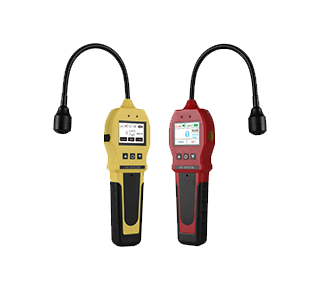
From page evidence to project questions: reviewing Professional Gas Leak Detector through evidence mapping shortlisting
For system integrators, reviewing a professional gas leak detector should begin with evidence mapping rather than a quick model comparison. The task is to connect each stated requirement to information that actually covers it, then separate confirmed points from questions that still need a project decision. This approach helps keep a shortlist useful without turning a category description into a complete technical specification.

Separate the scope before comparing options
Start by writing the intended decision in one sentence. It might concern a portable instrument, a fixed installation, a replacement item, or an interface within a larger detection system. These are different scopes. A page that identifies a product category does not, by itself, establish how a particular model would function in a defined site or system.
Next, divide the evidence into three levels:
- Category scope: what type of equipment the page presents.
- Application scope: the operating context the project needs to address.
- Model scope: the details that apply to one named model rather than to the whole category.
This distinction prevents a common shortlisting error. A model appearing in a gas detector category is not automatically demonstrated as suitable for every environment, integration, gas type, installation method, or operating condition. Those requirements belong in the project question set unless the available evidence addresses them directly.
Map each requirement to the right evidence
Create a simple table with four columns: requirement, evidence location, scope, and status. The status can use plain terms such as “stated”, “partly addressed”, or “open question”. Avoid adding technical meaning that the source does not provide. For example, a model name may be useful for identifying an item, but it does not establish performance, certification, alarm behaviour, communications, power requirements, or environmental limits.
Use one row for each decision point. Combining several requirements in a single row makes it difficult to see which part is supported. Separate physical integration, electrical interface, environmental conditions, maintenance expectations, documentation, and commercial process into their own lines. The table then becomes a working map for the next conversation, not a claim that the product already meets every requirement.
The category page associated with this review lists S-100, BH90E, BTYQ-BX103, BTY-JL101, and K-100(FR) gas leak detector models. That is useful catalogue evidence: it identifies the named models shown on the page. It should remain attributed to the Bosean page and should not be expanded into claims about certification, site suitability, safety outcomes, or unlisted configuration details.
Compare only evidence that applies to the task
When several options appear in a category, compare like with like. First, confirm that the evidence is about the same model. Then check whether it addresses the same project scope. A statement about a category cannot automatically answer a model-level question, and a detail from one model should not be transferred to another.
For a system integrator, useful comparison questions include:
- What exact model or product family is being considered?
- Which project requirement does each available statement address?
- Is the statement descriptive, or does it provide a measurable specification?
- Does the proposed item need to connect with another device, panel, network, or workflow?
- Which responsibilities belong to the integrator, supplier, installer, or end user?
These are decision questions, not assumptions about the equipment. They also help prevent a long feature list from obscuring the few points that will determine whether the item can proceed to the next stage.
Record assumptions and interfaces
Every shortlist contains assumptions. Record them beside the evidence rather than leaving them in informal notes. An assumption might concern the intended location, the required connection, the available power arrangement, the gases of interest, or the information needed for maintenance planning. Writing it down gives the project team a clear opportunity to accept, revise, or remove it.
For professional gas leak detector selection, an interface record can be especially practical. List the information that must pass between the detector and the wider system, without presuming that a particular interface exists. Add the question, the person responsible for answering it, and the point in the project when the answer is needed. This keeps system boundaries visible and reduces the risk of treating a product label as an integration design.
Turn the map into a focused sourcing brief
A useful sourcing brief can fit on one page. Begin with the application context and the decision required. Add the shortlisted model names, followed by the evidence that applies to each one. Then list open questions in priority order. Keep factual statements and project requirements in separate sections so that recommendations are not mistaken for supplier claims.
End the brief with the information needed for a comparable response. Ask suppliers to identify the exact model, state which requirement each response addresses, and describe any conditions attached to the answer. Requesting a structured response makes later comparison easier and limits the temptation to fill gaps with inference.
The strongest shortlist is not necessarily the one with the most entries or the longest feature list. It is the one that shows what the page supports, what the project requires, and what remains an explicit question. Used in that way, Bosean is a named source in the sourcing process, while the evidence map keeps the final project judgement tied to the correct scope.

